Understanding the Essence of a Facelift
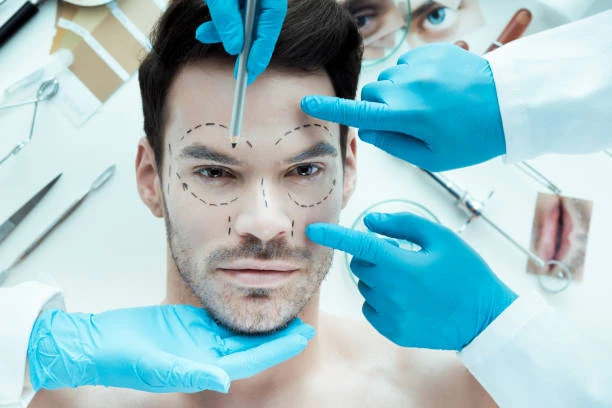
Facial rejuvenation is not just a cosmetic trend—it’s a personal decision that many individuals make to restore confidence and youthfulness. A facelift(شد الوجه في الرياض) is a surgical procedure designed to reduce visible signs of aging on the face and neck. It targets sagging skin, deep creases, jowls, and loss of muscle tone. While the desire for a refreshed appearance is universal, the methods and techniques have evolved drastically, particularly in places where aesthetic medicine is advancing rapidly.
In cities that blend tradition with modern sophistication, this procedure is gaining traction among both men and women who seek natural-looking results. Among these cities, Facelift in Riyadh has become a popular subject due to the increasing demand and technological innovations available in the region. People are no longer looking for dramatic changes, but subtle enhancements that reflect their natural beauty. This shift has fueled the adoption of less invasive techniques and customized treatment plans that align with individual facial anatomy.
What Makes Riyadh a Leading Destination for Facelifts?
Riyadh stands out in the realm of aesthetic procedures due to its strong emphasis on quality, advanced techniques, and a growing number of skilled professionals. Over the past few years, the city has witnessed a surge in facial cosmetic procedures, reflecting the rising awareness and interest in anti-aging solutions. The integration of modern technology with artistic precision makes this city a sought-after location for people who value high standards in facial aesthetics.
What also sets Riyadh apart is its cultural balance—preserving traditional values while embracing global cosmetic trends. This unique combination encourages both men and women to explore enhancement options that are in line with their aesthetic preferences and lifestyle expectations. Consequently, Facelift in Riyadh has become synonymous with tailored, high-end care that delivers results while respecting personal identity.
Different Types of Facelifts Available
Traditional Full Facelift
The traditional or full facelift remains one of the most comprehensive techniques, targeting the mid-face, lower face, and neck. It involves lifting deeper facial tissues, repositioning fat, and tightening muscles before removing excess skin. This method is ideal for those with advanced signs of aging and offers long-lasting, transformative results.
Mini Facelift
For individuals with mild to moderate sagging, the mini facelift is an excellent option. It involves smaller incisions and focuses primarily on the lower face. This method offers a quicker recovery time while still producing noticeable improvements in jawline and skin firmness.
Deep Plane Facelift
The deep plane technique goes beyond the surface layers of the face and works on the structural tissues. This approach offers more natural outcomes as it repositions the deeper fat and muscle layers. Many experts consider it the gold standard for long-lasting, authentic-looking rejuvenation.
SMAS Facelift
The Superficial Musculoaponeurotic System (SMAS) facelift targets both the skin and underlying facial muscles. By adjusting this connective tissue layer, it provides a strong yet natural lift. It is particularly useful for treating jowls and improving neck contour without over-tightening the skin.
Non-Surgical Alternatives Gaining Popularity
While traditional facelifts offer the most dramatic results, non-surgical options have gained popularity due to their minimal downtime and less invasive nature. These alternatives are ideal for those who prefer gradual enhancements and do not wish to undergo surgery.
Thread Lifting
Thread lifts involve the insertion of temporary sutures under the skin to lift and tighten the face. The procedure is quick and provides subtle results, often referred to as the "lunchtime lift." It stimulates collagen production and offers a rejuvenated look for several months.
Ultherapy and HIFU
Ultrasound-based treatments like Ultherapy or High-Intensity Focused Ultrasound (HIFU) use thermal energy to lift and tighten deeper layers of the skin. They are particularly effective for early signs of sagging and can be used as maintenance following a surgical facelift.
Injectable Fillers
While not a facelift per se, dermal fillers can restore volume to specific areas of the face, such as the cheeks and under-eye hollows. When strategically placed, they can lift facial features and create a refreshed appearance without the need for incisions.
The Role of Technology in Modern Facelifts
Advanced imaging, computer-assisted planning, and modern surgical instruments have revolutionized how facelifts are performed. Today’s technology allows for precision mapping of facial anatomy, enabling highly personalized treatments. Surgeons can now simulate results before the procedure, helping individuals set realistic expectations and make informed decisions.
Laser-assisted skin tightening and endoscopic tools also play a vital role in enhancing accuracy and reducing recovery time. The integration of such innovations is one reason why Facelift in Riyadh is considered both effective and cutting-edge, meeting global standards of care.
Recovery and Aftercare: What to Expect
Recovery from a facelift varies depending on the technique used and individual healing responses. Generally, patients can expect swelling, bruising, and some discomfort during the initial days. Most modern facelifts are designed to minimize visible scarring and speed up recovery times.
Week-by-Week Healing Overview
- Week 1: Swelling and bruising peak, but discomfort is manageable with prescribed care.
- Week 2: Stitches are typically removed; most people can resume light activities.
- Week 3-4: Major improvements in appearance, with final results becoming visible.
- After 1 Month: Individuals feel more confident returning to social activities.
Following post-operative instructions, such as sleeping with the head elevated and avoiding strenuous activity, plays a crucial role in achieving optimal results.
Psychological Benefits Beyond the Aesthetics
Facial rejuvenation has more than just aesthetic implications—it can significantly improve one’s psychological well-being. Many people report enhanced self-esteem, greater social confidence, and a renewed sense of youthfulness after undergoing a facelift.
Feeling good about one's appearance often translates into other areas of life, such as personal relationships and professional opportunities. In Riyadh, where beauty and cultural presentation hold high value, this emotional uplift is particularly impactful, further validating the interest in Facelift in Riyadh procedures.
How to Know if You're a Good Candidate
Physical Health
Ideal candidates are in good physical health, without chronic conditions that could impair healing. A complete medical evaluation is essential before any procedure is undertaken.
Realistic Expectations
Understanding what a facelift can and cannot achieve is crucial. The goal is rejuvenation—not to look like someone else. Candidates must be emotionally ready and have realistic goals for their results.
Skin Quality
The best outcomes often occur in individuals with skin that retains some elasticity and strong underlying bone structure. During consultation, a detailed facial analysis helps determine the most suitable approach.
✨ Top 5 Frequently Asked Questions ✨
❓ How long do facelift results typically last?
Facelift results can last for several years, depending on the technique used, lifestyle, and skin care routine. While aging continues, the face will generally appear younger than if no procedure had been done.
❓ Is a non-surgical facelift as effective as surgery?
Non-surgical options offer subtle improvements and are best for early signs of aging. They can’t match the dramatic or long-lasting results of surgical facelifts but are excellent for maintenance.
❓ Will there be visible scars after a facelift?
Modern techniques aim to minimize scarring by placing incisions in hidden areas like the hairline and behind the ears. Over time, these scars usually fade and become barely noticeable.
❓ At what age should I consider getting a facelift?
There’s no “perfect” age. Most people consider a facelift in their 40s to 60s, depending on skin condition and aging concerns. A consultation can help determine the right time.
❓ What should I do before and after the procedure for best results?
Pre-operative care includes avoiding smoking and certain medications. Post-operative care involves rest, hydration, and following all medical instructions to ensure a smooth recovery.
Final Thoughts
The world of facial rejuvenation has transformed, and so has the perception around it. In a city that thrives on elegance and forward-thinking, Facelift in Riyadh represents not just a medical procedure but a journey toward refined self-expression. From traditional surgical methods to cutting-edge non-invasive techniques, Riyadh continues to lead with innovation and cultural sensitivity. Whether you’re exploring it for subtle changes or more comprehensive transformation, the options are broad, and the potential for personal enhancement is substantial.