Ask any experienced textile designer or fabric buyer about the single most useful physical object in their studio, and the answer is rarely the most expensive piece of equipment or the most sophisticated software. More often than not, it is something considerably more humble — a well-organized, thoroughly curated fabric sample book. In an industry that increasingly conducts its business through screens and digital catalogues, the fabric sample book remains stubbornly, irreplaceably essential. And the designers who understand why are consistently the ones making better sourcing decisions, fewer costly mistakes, and more considered creative choices.
What Is a Fabric Sample Book?
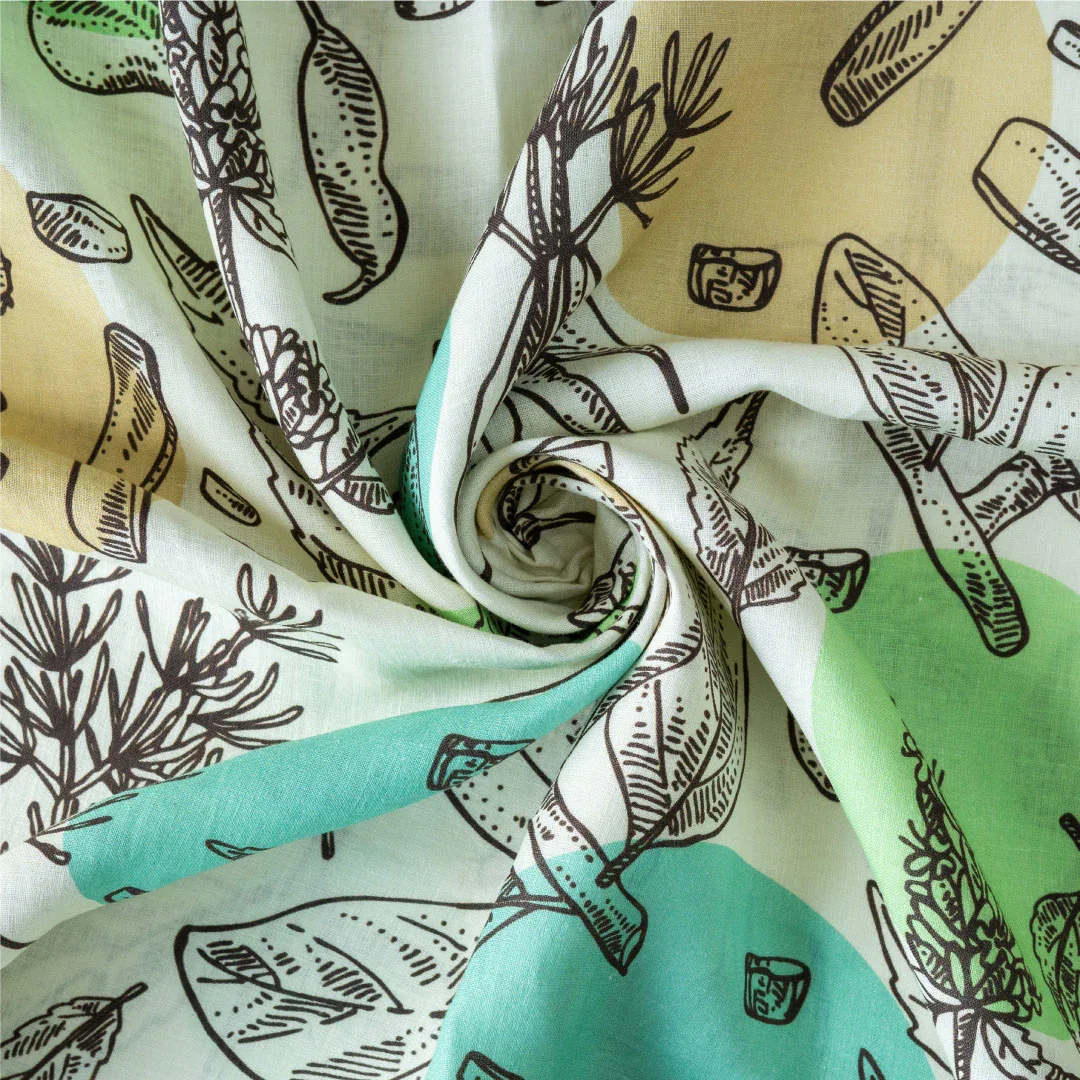
A fabric sample book is a curated collection of fabric swatches — small but representative sections of different textiles — assembled and organized so that designers, buyers, manufacturers, and makers can evaluate materials in person before committing to a full production order. Each swatch offers a tangible preview of the fabric's fiber content, weave structure, weight, surface texture, color accuracy, and drape — qualities that exist in three dimensions and simply cannot be conveyed through a flat digital image, however high the resolution.
Fabric sample books are used across the entire spectrum of textile-dependent industries. Fashion designers use them to build seasonal collections with confidence. Interior designers use them to specify home textiles and upholstery with color and texture accuracy. Product developers use them to evaluate materials for bags, accessories, and soft goods. Independent makers use them to make informed choices about the fabrics that will define the quality and character of their work.
Why No Screen Can Replace a Swatch
The core argument for the fabric sample book is straightforward: fabric is a physical object, and physical objects must be evaluated physically. A digital image of a textile conveys color — imperfectly, because screen calibration varies — and surface pattern, if there is one. It conveys almost nothing else.
The weight of a fabric, which determines how a garment hangs and moves, is entirely absent from a photograph. The hand — the tactile quality of a cloth against skin — cannot be communicated digitally. The way a fabric drapes when held up, the sound it makes when moved, the way it responds to folding and crushing — all of this information is lost the moment a textile is reduced to pixels.
A fabric sample book restores all of that information. It puts the actual material in your hands and allows you to make the assessments that actually determine whether a fabric will work — not whether it looks like it might work on a screen.
The Creative Value of Physical Swatches
Beyond their practical function as a sourcing and evaluation tool, fabric swatches serve a genuinely creative purpose that is easy to underestimate until you experience it firsthand.
Laying physical swatches alongside mood boards, color references, and design sketches brings a tactile dimension to the creative process that transforms how ideas develop. A color that looked perfect on screen may clash when the actual fabric is placed next to a reference material. A texture that seemed too heavy in theory may be exactly right when held in context. A combination of fabrics that seemed unlikely on paper may prove compellingly interesting when the swatches are placed side by side.
This is especially true when working across different fabric constructions and fiber types simultaneously. Comparing the surface character of a fine woven silk against a textured natural linen, or evaluating how a jacquard weave reads alongside a plain canvas — these are creative decisions that can only be made accurately with physical samples in hand. Exploring a comprehensive collection of woven cloth options through physical swatches, rather than digital browsing, consistently produces more nuanced and more confident creative decisions.
What a Well-Curated Fabric Sample Book Should Contain
Not all fabric sample books are equally useful. The most valuable ones share a set of characteristics that maximize their function as both sourcing tools and creative references.
Range of Fiber Content: A genuinely useful sample book represents the full breadth of available fiber options — cotton, linen, hemp, silk, wool, bamboo, and meaningful blends — so that comparisons between materials can be made directly and accurately rather than through separate catalogues consulted at different times.
Variety of Weave Structures and Weights: Lightweight sheers, medium-weight plains and twills, heavier canvas and structured weaves should all be represented. Different applications demand different fabric weights and constructions, and seeing the full range together in a single reference makes the decision-making process significantly more efficient.
Accurate Color Representation: Swatches should reflect the true fabric color as it reads in natural daylight. This is particularly critical for interior design applications and for coordinating colorways across a fashion collection, where color accuracy can mean the difference between a coherent scheme and a jarring one.
Clear and Complete Labeling: Every swatch should be accompanied by clear information — fiber content, fabric weight, weave type, available colorways, care instructions, and any relevant certifications. This information is not optional detail. It is essential data for making informed sourcing decisions and for communicating accurate fabric specifications to manufacturers and production partners.
Swatch Size: Individual swatches should be large enough to drape, fold, and handle meaningfully. Swatches that are too small prevent proper evaluation of drape and movement — which defeats the primary purpose of having physical samples in the first place.
How to Use a Fabric Sample Book Effectively
Receiving a fabric sample book opens a process rather than concluding one. To extract maximum value from the resource, approach it with intention and method rather than simply browsing casually.
Evaluate swatches under different lighting conditions — natural daylight reveals true color and surface texture most accurately, while warm artificial light shows how a fabric will read in interior environments. Cool fluorescent or LED light reveals qualities relevant to retail display contexts. The same fabric can read quite differently under these different conditions, and understanding how it behaves across lighting environments is important for making confident sourcing decisions.
Drape swatches over your hand, over a dress form, or against a piece of furniture to assess how the fabric falls and moves in context. Place swatches next to each other to evaluate coordination and contrast within a collection or interior scheme. Make notes directly on or alongside each swatch — immediate tactile and visual impressions are valuable sourcing data that becomes difficult to reconstruct accurately once the evaluation session has ended.
For designers and buyers ready to move from digital browsing to grounded, confident sourcing decisions, investing in a quality fabric sample book from a specialist natural textile supplier is one of the highest-value steps available before placing any significant fabric order. It transforms the sourcing process from guesswork into genuine knowledge.
The Sample Book as a Long-Term Reference
The value of a well-maintained fabric sample book does not diminish once the initial sourcing decision has been made. Many experienced designers and buyers retain their sample books as ongoing creative references — physical archives of material possibilities that grow more useful with every project completed and every collection developed.
A sample book consulted at the beginning of one project may reveal a fabric that is wrong for that collection but exactly right for the next one. Swatches retained from seasons past become a record of a designer's evolving material vocabulary — a library that accumulates knowledge and creative possibility over time in ways that no digital catalogue can replicate.
Final Thoughts
In an industry that sometimes mistakes digital sophistication for design intelligence, the fabric sample book is a useful corrective. It insists on physical engagement with material reality. It demands that design decisions be grounded in actual tactile knowledge rather than optimistic digital approximation. And it consistently produces better outcomes — better sourcing decisions, more coherent creative choices, fewer costly production errors — than any amount of screen-based browsing can achieve.
If you work seriously with fabric, a fabric sample book is not a luxury or an afterthought. It is a fundamental professional tool — and the designers who treat it as such are invariably the ones whose work reflects the difference.