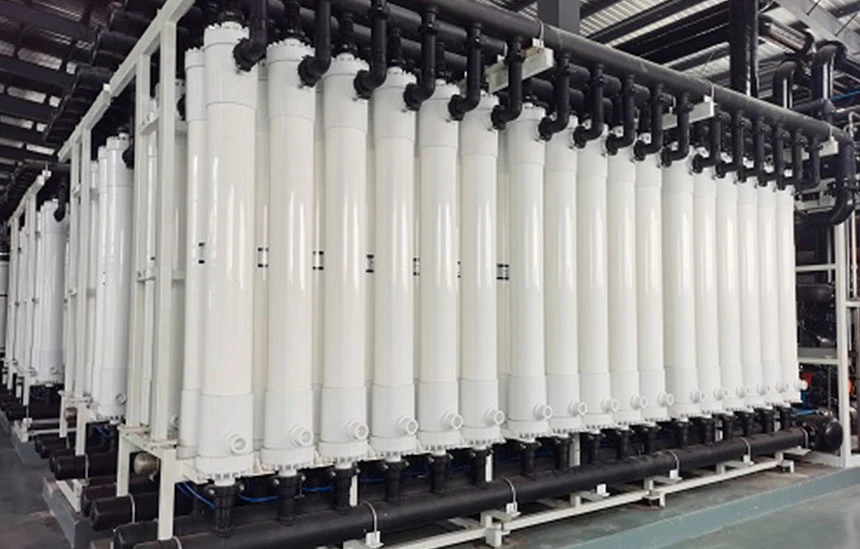
.Your Reverse Osmosis (RO) system is a powerhouse, delivering clean, pure water for your home or business. At its heart lies the RO membrane, a sophisticated filter responsible for removing dissolved solids, contaminants, and impurities. But like any high-performance component, its longevity hinges on proper maintenance and care.
Neglecting your RO membrane can lead to reduced water quality, slower production rates, and ultimately, costly replacements. Fortunately, with some practical advice on cleaning, storage, and troubleshooting, you can significantly extend the lifespan of your membrane, ensuring consistent performance for years to come. This applies whether you're using a brackish water membrane, a seawater reverse osmosis membrane, or even specialized Toray RO membranes.
Why Membrane Longevity Matters
A healthy RO membrane ensures:
- Optimal Water Quality: Consistently pure water, free from unwanted contaminants.
- Efficient Operation: Your system runs smoothly, producing water at its rated capacity.
- Cost Savings: Avoiding premature membrane replacements saves you money and hassle.
- Environmental Responsibility: Less waste from discarded membranes.
Practical Tips for Maintenance and Care
Let's dive into actionable steps you can take to protect your investment.
1. Regular Pre-filtration Maintenance is Key
Think of your RO membrane as the final frontier in water purification. It’s designed to handle microscopic impurities, but it's not a trash can. The most common cause of premature membrane fouling is inadequate pre-filtration.
- Sediment Filters: These are your first line of defense, removing larger particles like sand, rust, and silt. Check and replace them regularly (typically every 3-6 months, depending on your water quality). A clogged sediment filter forces the RO membrane to work harder, leading to faster fouling.
- Carbon Filters: Essential for removing chlorine and chloramines, which can severely damage the delicate polyamide material of your RO membrane. Replace your carbon filters regularly (every 6-12 months). Even advanced membranes like the Toray membrane can be compromised by chlorine exposure.
- Monitor Pressure Gauges: If your system has them, keep an eye on the pressure differential across your pre-filters. A significant drop in pressure after the pre-filters indicates they are clogged and need replacement.
2. Understanding and Addressing Fouling
Membrane fouling occurs when contaminants accumulate on the membrane surface, hindering its performance. Fouling can be biological, organic, scaling, or particulate.
- Scaling: Hard water minerals (calcium, magnesium) are notorious for scaling. If you're in a hard water area, consider a water softener or an anti-scalant dosing system before your RO unit. This is especially crucial for brackish water membranes and seawater reverse osmosis membranes applications, where mineral content can be very high.
- Biofouling: Microorganisms can form a slimy layer (biofilm) on the membrane. This is more common in commercial and industrial RO systems or those using challenging source water. Regular membrane cleaning with biocides may be necessary. MBR (Membrane Bioreactor) systems, while using different membrane types like the ultrafiltration membrane, also highlight the importance of managing biological growth.
- Organic Fouling: Natural organic matter (NOM) can also foul membranes. While less common in residential settings, industrial applications might require specialized cleaning solutions.
3. Membrane Cleaning: When and How
Don't wait for your RO system to completely fail before considering a membrane clean. Look out for these signs:
- Decreased Permeate Flow: Less pure water is being produced.
- Increased TDS (Total Dissolved Solids) in Permeate: Your water quality is declining.
- Increased Feed Pressure Requirement: Your pump is working harder to push water through.
If you suspect fouling, a chemical cleaning might be in order. This typically involves circulating specialized cleaning solutions (acidic for scale, alkaline for organic/biological fouling) through the membrane housing.
Important Considerations for Cleaning:
- Follow Manufacturer Guidelines: Always refer to your RO system and membrane manufacturer's instructions for cleaning procedures and recommended chemicals. This is especially vital for specialized membranes like NF membranes (nanofiltration), which have different properties.
- Professional Help: For larger industrial systems or if you're unsure, it's always best to consult with an RO system specialist for membrane cleaning.
4. Proper Storage for Spare Membranes
If you have a spare RO membrane or if you need to temporarily store a membrane removed from your system, proper storage is crucial to prevent degradation.
- Keep it Wet: RO membranes should never be allowed to dry out. Store them in a sealed bag or container, filled with a preservation solution (typically a dilute solution of sodium metabisulfite to prevent biological growth).
- Temperature Control: Store membranes in a cool, dark place, away from direct sunlight and freezing temperatures.
- Original Packaging: If it's a new, unused membrane, keep it in its original packaging until ready for installation.
5. Troubleshooting Common Issues
- Low Water Production:
- Check pre-filters for clogging.
- Verify adequate feed water pressure.
- Consider membrane fouling – time for a clean or replacement.
- Check for air in the system.
- Poor Water Quality (High TDS):
- Check for leaks in the system (e.g., O-rings).
- Verify drain line flow – too much flow can indicate membrane damage or bypass.
- A membrane may be past its useful life and needs replacement.
- Constant Drain Flow (No Shut-off):
- Check the auto shut-off valve.
- Possible blockage in the permeate line or tank.
The Bottom Line
Extending the lifespan of your RO membrane is not rocket science, but it does require diligence and a proactive approach. By prioritizing pre-filtration, understanding the signs of fouling, implementing timely cleaning, and ensuring proper storage, you'll maximize your membrane's longevity and continue to enjoy the benefits of pure, clean water for years to come. Remember, a well-maintained RO system is a reliable RO system.