
They’re looking for peace of mind. They want consistency. They want quality that doesn’t change shipment after shipment.When people search for export quality rice in india, they’re not just looking for a supplier. And honestly, they want someone they can trust without chasing updates every week.
India has been growing and exporting rice for generations. It’s part of our culture. Walk through rural Haryana or Punjab during harvest season and you’ll see fields that look endless. But turning those golden fields into export-grade rice? That takes work. Serious work.
At Muskan Overseas, this isn’t just business. It’s responsibility. Because once a container leaves India, it carries our reputation with it.
Why Export Quality Rice in India Is in Such High Demand
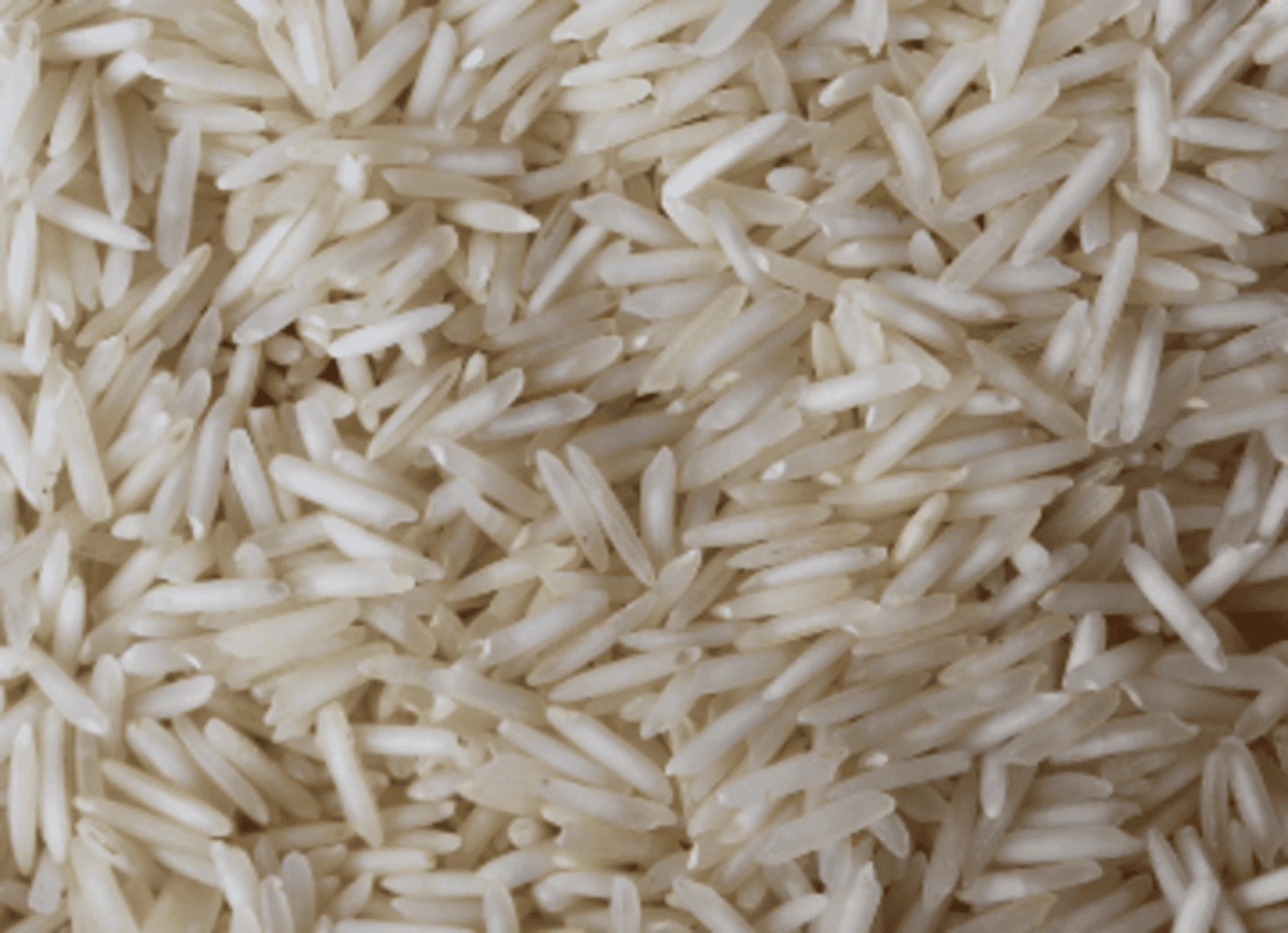
Indian rice has a strong identity in global markets. Especially basmati. You’ve probably seen it in supermarkets across Dubai, London, or even Canada. Long grains. Rich aroma. Beautiful elongation after cooking.
But here’s the truth. Global buyers don’t choose Indian rice only for tradition. They choose it for performance. They want rice that cooks evenly. Rice that smells good. Rice that looks premium on the plate.
Export quality rice in india meets strict global standards. Moisture levels are controlled. Broken grains are minimized. Foreign particles are removed completely.
That doesn’t happen by luck. It happens because exporters invest in proper systems.
And yes, buyers notice the difference.
What Makes Export Quality Rice in India Truly “Export Grade”?
Let’s break it down in simple terms. Export grade rice is not just about appearance. It’s about measurable standards.
Grain Length and Uniformity
In international markets, especially for basmati, length matters. Buyers often check pre-cooking and post-cooking grain size.
Uniform grains create a premium feel. Mixed sizes lower perceived value. Even a small variation can change pricing in competitive markets.
Controlled Moisture Content
This one is critical. Too much moisture leads to fungal growth during shipping. Too little moisture affects cooking quality.
Professional exporters maintain moisture within safe limits. Containers are inspected before loading. Warehouses are ventilated and clean.
It sounds basic, but trust me, not everyone maintains this discipline.
Clean Processing and Sorting
Modern milling units use advanced sorting machines. These remove broken grains, discoloration, and impurities.
For export quality rice in india, broken percentage must match the buyer’s requirement. Some want 5% broken. Some accept 10%. Every market is different.
Accuracy matters. There’s no room for guessing.
The Real Journey of Export Quality Rice in India
People often think rice export is simple. Buy rice. Pack it. Ship it. Done.
If only it were that easy.
The journey starts at the farm. Good seeds produce consistent grain length. Proper irrigation affects texture. Harvesting at the right time prevents cracks.
After harvesting, drying must be done carefully. Over-drying weakens grains. Under-drying increases risk during shipment.
Then comes milling. Polishing is done based on market demand. Some buyers prefer high polish. Others prefer semi-polished rice.
After milling, grading and sorting happen. Samples are tested. Quality reports are prepared.
Finally, rice is packed in durable bags. Packaging can be customized with private labels. Export documentation is handled carefully.
Every stage needs attention. One small mistake can delay shipments or cause rejection at the destination port.
Challenges in Maintaining Export Quality Rice in India
Let’s be honest. This business has its share of stress.
Weather plays a big role. Heavy rains affect crop quality. Heat waves impact yield.
Shipping delays can happen. Freight rates fluctuate without warning. Exchange rates also affect pricing strategy.
And global competition is intense. Countries like Thailand and Vietnam are strong players. Buyers compare prices and quality constantly.
So how does an exporter stand out?
Consistency. Clear communication. And no false promises.
At Muskan Overseas, the focus stays on long-term partnerships instead of one-time sales. That mindset changes everything.
Why Reliable Exporters Matter More Than Ever
If you’re a buyer, you already know this. A delayed shipment can disrupt your entire supply chain.
Retail shelves don’t wait. Distributors don’t wait.
Export quality rice in india is not just about the product. It’s about reliability. Timely dispatch. Correct documentation. Smooth customs clearance.
Professional exporters understand different country regulations. European markets require strict residue testing. Middle Eastern markets prefer extra-long grain basmati. African markets often look for cost-effective non-basmati varieties.
Customization is part of the job.
And here’s something important. Communication speed tells you a lot about an exporter. Quick replies mean organized operations.
Slow replies usually mean internal confusion.
How Muskan Overseas Approaches Quality
At Muskan Overseas, quality checks are not done casually. Samples are matched carefully with bulk shipments.
Private labeling requests are handled with attention. Packaging strength is tested. Containers are inspected before sealing.
There’s transparency in discussions. If there’s a delay, buyers are informed early. No surprises.
Because the goal is simple. Deliver what was promised.
In export quality rice in india, reputation spreads fast. One bad shipment damages credibility. One consistent year builds loyalty.
The Growing Future of Export Quality Rice in India
Demand for Indian rice keeps increasing. Global populations are growing. Food consumption patterns are changing.
Consumers are becoming more aware. They ask about sourcing. They ask about safety. Some even ask about sustainability.
Indian exporters are adapting. Testing labs are improving. Farming practices are becoming more controlled.
Technology is slowly entering the supply chain. Digital tracking systems help monitor shipments. Automated sorting improves precision.
But at the core, it still comes down to human effort. Farmers in the field. Workers in the mill. Inspectors checking every batch.
That human touch makes the difference.
What Buyers Should Always Check
If you’re planning to import rice from India, don’t rush.
Ask for lab reports. Request clear specifications. Check broken percentage and moisture level.
Discuss packaging options. Confirm shipment timelines.
And most importantly, build a relationship. In rice export, long-term partnerships work better than short-term deals.
Export quality rice in india is not just about competitive pricing. It’s about stability.
Final Thoughts
Export quality rice in india represents more than agricultural success. It reflects discipline, coordination, and global trust.
From farm fields to international ports, every step matters. There’s no shortcut to quality.
Companies like Muskan Overseas understand that each container carries not just rice, but also reputation. That responsibility shapes every decision.
If you’re a global buyer looking for consistency, focus on suppliers who value transparency and quality control.
Because when your customers cook that rice and see perfect grains on their plate, they won’t know the journey it took. But they will notice the quality.
And that’s what truly counts.