
The rich heritage of India and its myriad wildlife have spiked interest for wildlife lovers across the globe. Kanha National Park is a famously revered wildlife sanctuary offering scope for reserve and a glimpse of mesmerizing Indian ecosystem beauty. Kanha situated in Satpura Mountain Ranges of Madhya Pradesh is not just home for big cats on thrilling safaris but a place where culture, history and wildlife blend beautifully in unison under nature's magnificent masterpiece.
What Makes Kanha Different
Although India has over a hundred national parks, not all of them have the opportunity to match the experience offered by Kanha National Park. Kanha is said to be the birthplace of Rudyard Kipling’s Jungle Book, and the barasingha is well known for her inspiring story of conservation success that it once came to be legendary for.
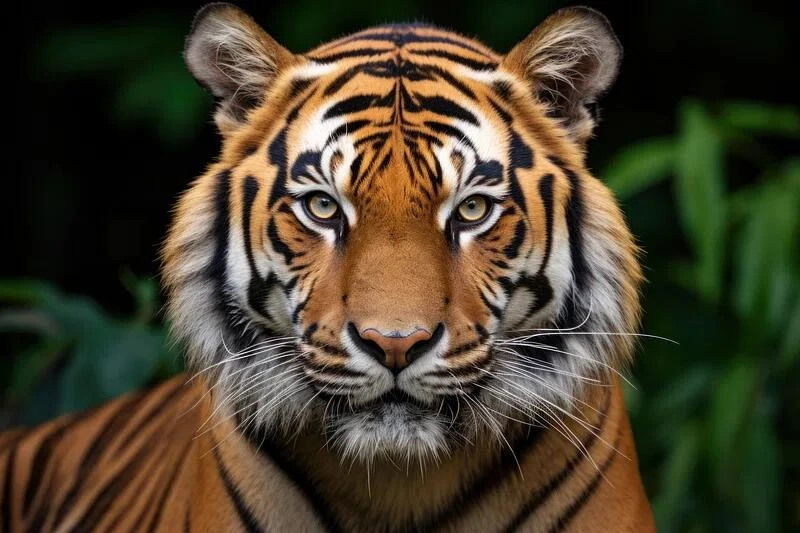
Covering nearly 2,000 square kilometers including buffer zones, Kanha is home to rich sal forests, vast grasslands, rolling hills, and teeming water bodies. This diversity makes it one of the most successful habitats for the Royal Bengal Tiger, which silently commands the ecosystem here.
But Kanha is more than just tiger country.
A Safari That Tells Stories
Every visitor to Kanha is welcomed with the opportunity to embark on an extraordinary kanha national park safari. Conducted twice daily — early morning and late afternoon — these safaris transport you into the forest’s living classroom.
With trained guides and experienced drivers, you traverse through different zones like Mukki, Sarhi, Kanha, and Kisli — each revealing different secrets of the forest. While barasingha meadow Kapri, Mukki, and Sarhi are popular for their sightings, tend to be heavier and preferred by those seeking tranquility and elusive sloth bears and leopards.
The wonderful and splendid aspects of kanha national park safari is, as the name suggests, the unpredictability. One day you might see a tiger drinking water at a waterhole and the other day, there is an Indian gaur hearing the rhythmic chorus of jungle fowl.
In other words, to take full advantage of this experience, travelers are recommended to have their kanha national park safari booking done before the trip. The ecosystem of the park is simultaneously preserved and a strict quota system is exercised. Also, popular zones get fully booked weeks ahead of the peak season.
best resort in kanha national park are now ridiculously easy through online portals that let users pick zones, vehicles, guides and entry gates freely. Any adventurer hoping fervently for an utterly immersive experience must take this crucial step amidst dense jungle foliage surrounding them abundantly. Kanha is enveloped by myriad accommodations catering wildly varying travel styles from high-end shutterbugs to thrift-conscious adventurers on shoestring budgets. One of the most wonderful pieces of accommodation is the kanha.
Homestays and eco-lodges are also gaining popularity among conscious travelers who want to experience authentic village life and contribute to local economies. Most of these accommodations also assist with kanha national park safari booking and provide naturalists who help enrich the visitor’s safari journey.
Beyond the Wild: Tribal Culture and Conservation
Kanha's experience gets elevated by a uniquely funky model of conservation that includes local communities pretty substantially it seems. Baiga and Gond tribes inhabit this region deeply rooted in traditions, songs and rituals intricately linked with forests surrounding them. These communities are empowered participants in conservation efforts employed as guides and artisans and working diligently as naturalists nearby.
Visiting a tribal village, seeing their traditional dance performances, or buying their handcrafted items adds a deeply human layer to your wildlife journey. It’s a reminder that forests and humans can, in fact, thrive together — not just coexist.
Seasons of Change: When to Visit Kanha
Each season paints Kanha National Park in different colors:
- October to February: Misty mornings and excellent wildlife movement, ideal for photography.
- March to May: Dry landscapes make animal sightings more frequent, especially around waterholes.
- June: Just before the monsoons, the forest takes on a golden hue, and safari intensity peaks.
- The park is closed from July to the middle of October during the rainy season to allow the jungle to rest.
Note for Travelers: Important Guidelines
- Do not forget to carry a pair of binoculars and a field guide to wildlife, as well as enough drinking water.
- Dark clothing should be preferred as it will allow you to merge with the vegetation of the forest.
Bella forest rules: Maintain silence, do not disturb wildlife, and carry back all the trash you brought in.
If you wish to visit the park on holidays or extended weekends, remember to finalize your safari booking more than a month prior to the holiday.
For accommodation, consider looking at the Kanha Kisli Resort or other hotels located nearer to the park gates.
Final Words: A Park With Memories for Life
Kanha National Park is not merely a destination for spotting wildlife but a complex ecosystem with diverse flora and fauna thriving remarkably well. One needs to deeply inhale a place sensing vivid forces of nature at work and capture breathtaking moments etched forever in your mind.