
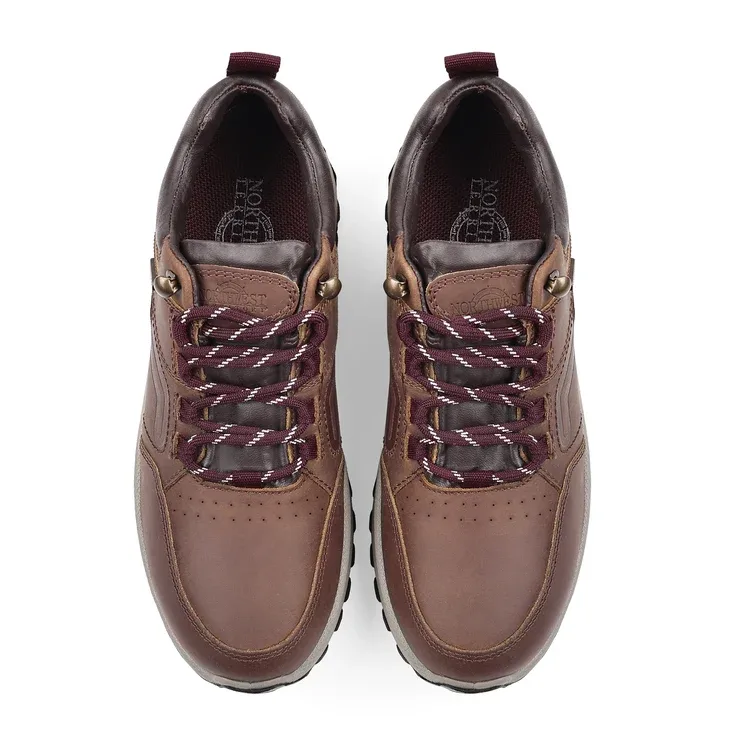
Footwear design has evolved considerably over the years, with manufacturers placing greater emphasis on comfort, durability and practical performance. Modern consumers want shoes that suit their daily routines, whether they are walking through busy streets, travelling to work, exploring the countryside or enjoying outdoor activities. As a result, developments in materials, construction techniques and sole design have become important considerations when choosing suitable footwear.
The term driftrek technology can be explored in the wider context of modern footwear innovation, particularly the methods used to improve stability, comfort and versatility. Understanding these design principles helps consumers make more informed decisions about their footwear rather than relying solely on appearance or current trends.
For brands such as Northwest Territory, the relationship between functional design and everyday usability provides a useful starting point for discussing what people should consider when selecting footwear for different environments.
What Is Driftrek Technology in Footwear?
When discussing driftrek technology, it is important to distinguish between a specific branded feature and the broader engineering principles used in footwear manufacturing. Without verified technical documentation, it would be misleading to attribute particular materials, performance figures or patented mechanisms to this term.
Generally, modern footwear technologies aim to address common challenges experienced by wearers. These include foot fatigue, reduced grip on certain surfaces, inadequate cushioning and discomfort during extended periods of use.
Manufacturers approach these challenges through a combination of sole construction, upper materials, internal support and careful product testing. Each component contributes to the overall wearing experience, although its effectiveness depends on the shoe's intended purpose and the conditions in which it is used.
Consumers should therefore look beyond a technology's name and consider the practical features that can be demonstrated or explained by the manufacturer.
The Importance of Comfort in Everyday Footwear
Comfort is one of the most important factors influencing footwear choices. Shoes that feel suitable for a short walk may become uncomfortable after several hours of continuous wear, making cushioning, fit and flexibility essential considerations.
Cushioning and Impact Absorption
Every step places pressure on the feet. Appropriate cushioning can help manage the impact associated with walking on hard surfaces, although the amount required varies between individuals.
Sole materials differ in their firmness, flexibility and ability to compress under pressure. Some designs prioritise a softer sensation, while others offer a firmer platform intended to provide a more stable feel.
Neither approach is automatically better for everyone. The right choice depends on personal comfort, walking habits and the activities for which the footwear is intended.
Fit and Foot Support
A well-fitting shoe should provide enough room for the toes without allowing excessive movement around the heel. Tight footwear may cause rubbing or pressure points, while shoes that are too loose can affect stability.
When trying on new footwear, it is sensible to walk around and check how the shoe feels during movement. Pay attention to the width, heel fit and space available at the front.
Good fit is particularly important for people who spend long periods standing or walking as part of their daily routine.
How Sole Design Influences Performance
The sole is a fundamental part of any shoe because it connects the wearer with the ground. Its construction affects grip, flexibility, stability and resistance to everyday wear.
Traction on Different Surfaces
Tread patterns help determine how a shoe interacts with the surface beneath it. Deeper grooves and carefully arranged patterns may improve grip in certain conditions, although the result depends on the rubber compound, tread design and ground material.
A sole that performs well on dry pavement may behave differently on wet paving stones, loose gravel or muddy paths. Consumers should choose footwear according to the environments they regularly encounter.
No ordinary tread pattern should be assumed to provide complete protection against slipping. Wet leaves, ice, oil and smooth polished surfaces can remain hazardous even when shoes have visibly textured soles.
Flexibility and Stability
Sole flexibility influences how naturally a shoe moves with the foot. More flexible footwear may feel comfortable during casual walking, whereas structured designs can provide a firmer sensation underfoot.
The appropriate balance depends on the activity. Shoes intended for relaxed everyday use may have different construction requirements from footwear designed for demanding trails or specialist working environments.
The practical value of driftrek technology, if presented as a particular footwear feature, should consequently be assessed through clear product specifications and evidence of its intended benefits.
Choosing Materials for Durability
Footwear materials affect comfort, appearance, maintenance and longevity. The best material depends on how frequently the shoes will be worn and the conditions they are expected to withstand.
Upper Materials
Leather, synthetic textiles, mesh and mixed-material constructions each offer different advantages. Leather may provide a structured appearance and can develop character with use when properly maintained. Textile uppers can offer flexibility and ventilation, depending on their construction.
Synthetic materials vary considerably, so buyers should examine the quality of the finish, stitching and joins rather than assuming all products within one material category perform identically.
Outsoles and Construction
Outsole durability depends on factors such as material composition, tread depth and exposure to abrasive surfaces. Regular use on rough ground may cause wear more quickly than occasional walking on smoother paths.
Stitching, bonding and the way different components are assembled can also influence how well footwear withstands repeated use.
Before purchasing, look for understandable product information covering materials, intended activities and care instructions. These details provide a more reliable basis for comparison than broad claims about advanced technology.
Is Modern Footwear Technology Suitable for Outdoor Activities?
Outdoor footwear often needs to balance grip, protection, comfort and resistance to changing conditions. However, the requirements of a woodland walk differ from those of a challenging mountain route.
For casual outdoor use, buyers may prioritise comfortable cushioning, a dependable tread and materials that are straightforward to maintain. More demanding terrain may require additional ankle support, a more protective construction or specialised outsole features.
Anyone considering driftrek technology for outdoor footwear should first establish what the manufacturer actually means by the term. Check whether the product is intended for urban walking, light trails or more challenging environments.
Water resistance should also be evaluated separately from waterproofing. A water-resistant shoe may cope with light moisture but might not protect the feet during prolonged exposure to heavy rain or standing water.
Matching footwear to the intended activity is more useful than assuming that one design can perform equally well in every situation.
How Northwest Territory Fits into Everyday Footwear Choices
When comparing footwear from Northwest Territory, consumers can apply the same practical principles used to assess other everyday and outdoor shoes. The focus should remain on the specifications of each individual product rather than assumptions based on its name or general category.
Consider where the footwear will be used, how long it will be worn and what level of support is required. Someone looking for shoes for everyday errands may have different priorities from a person planning regular countryside walks.
It is also worth examining the available sizing guidance, material descriptions, outsole construction and maintenance recommendations. Where specific performance claims are made, look for supporting product information that explains how those benefits are achieved.
This approach encourages informed purchasing decisions and helps ensure that the selected footwear suits the wearer's actual needs.
Caring for Footwear to Extend Its Lifespan
Even well-constructed footwear benefits from regular care. Dirt, moisture and accumulated debris can affect materials over time, while neglecting small areas of damage may lead to more significant problems.
Follow these simple maintenance practices:
- Remove dirt regularly: Use a suitable brush or cloth to clean away surface debris.
- Dry shoes carefully: Allow wet footwear to air-dry naturally, away from direct heat sources.
- Follow material-specific guidance: Apply cleaning products or conditioners only when appropriate for the materials.
- Inspect the soles: Check for uneven tread wear, loose components or visible damage.
- Store footwear properly: Keep shoes in a dry, ventilated place when they are not being used.
These habits can help preserve the appearance and usability of footwear. However, cleaning and maintenance cannot restore severely worn tread or repair every type of structural damage.
What to Check Before Buying
Before choosing a pair of shoes, create a short checklist based on your everyday requirements.
First, establish the main purpose of the footwear. Consider whether it will be used primarily for commuting, casual walking, travel or outdoor activities.
Next, assess the fit and comfort. Try the shoes on with the socks you would normally wear, and allow enough time to walk around before making a decision.
Finally, review the product information. Check the materials, sole design, sizing details and care instructions. If a product advertises a specialised feature, seek an explanation of its construction and intended benefits.
These steps are particularly useful when evaluating driftrek technology claims, as they encourage buyers to distinguish verifiable product characteristics from general marketing language.
Conclusion
Footwear innovation continues to shape how shoes are designed for everyday comfort, durability and practical performance. Developments in cushioning, tread patterns, material selection and construction can all contribute to a more suitable wearing experience when they are matched to the user's needs.
Understanding driftrek technology requires careful attention to the specific product information available, rather than assuming that the term guarantees particular benefits. Consumers should prioritise reliable specifications, a comfortable fit and footwear suited to their intended activities.
By considering these factors when comparing options from brands such as Northwest Territory, buyers can make more informed choices and take better care of their footwear over time. Ultimately, good footwear selection is about finding the right balance between comfort, functionality, durability and personal preference.