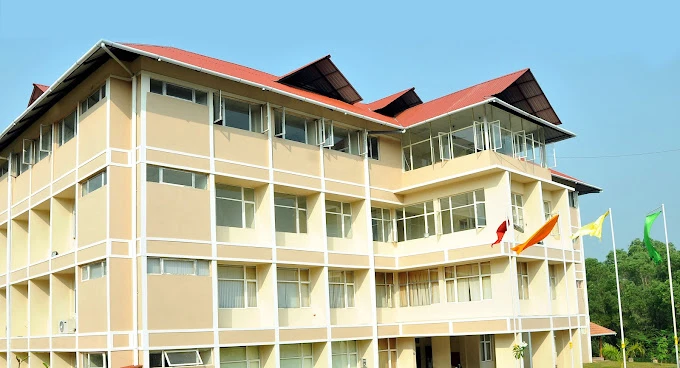

The Bachelor of Design (B.Des) program at DC School of Architecture and Design is a comprehensive undergraduate course designed for students who have a passion for creativity, innovation, and visual expression. In today’s modern world, design plays a crucial role in shaping products, digital experiences, and environments. From websites and mobile applications to furniture and interior spaces, design influences the way people interact with the world. The B.Des program is carefully structured to help students develop creative thinking, technical skills, and professional expertise required to succeed in the dynamic design industry.
The program begins by introducing students to the fundamental principles of design. These include color theory, typography, composition, form, and visual communication. Understanding these elements is essential for creating designs that are both functional and aesthetically appealing. Through a combination of lectures, studio sessions, and creative assignments, students gradually develop the ability to analyze design problems and create innovative solutions. This strong foundation enables them to approach design challenges with confidence and creativity.
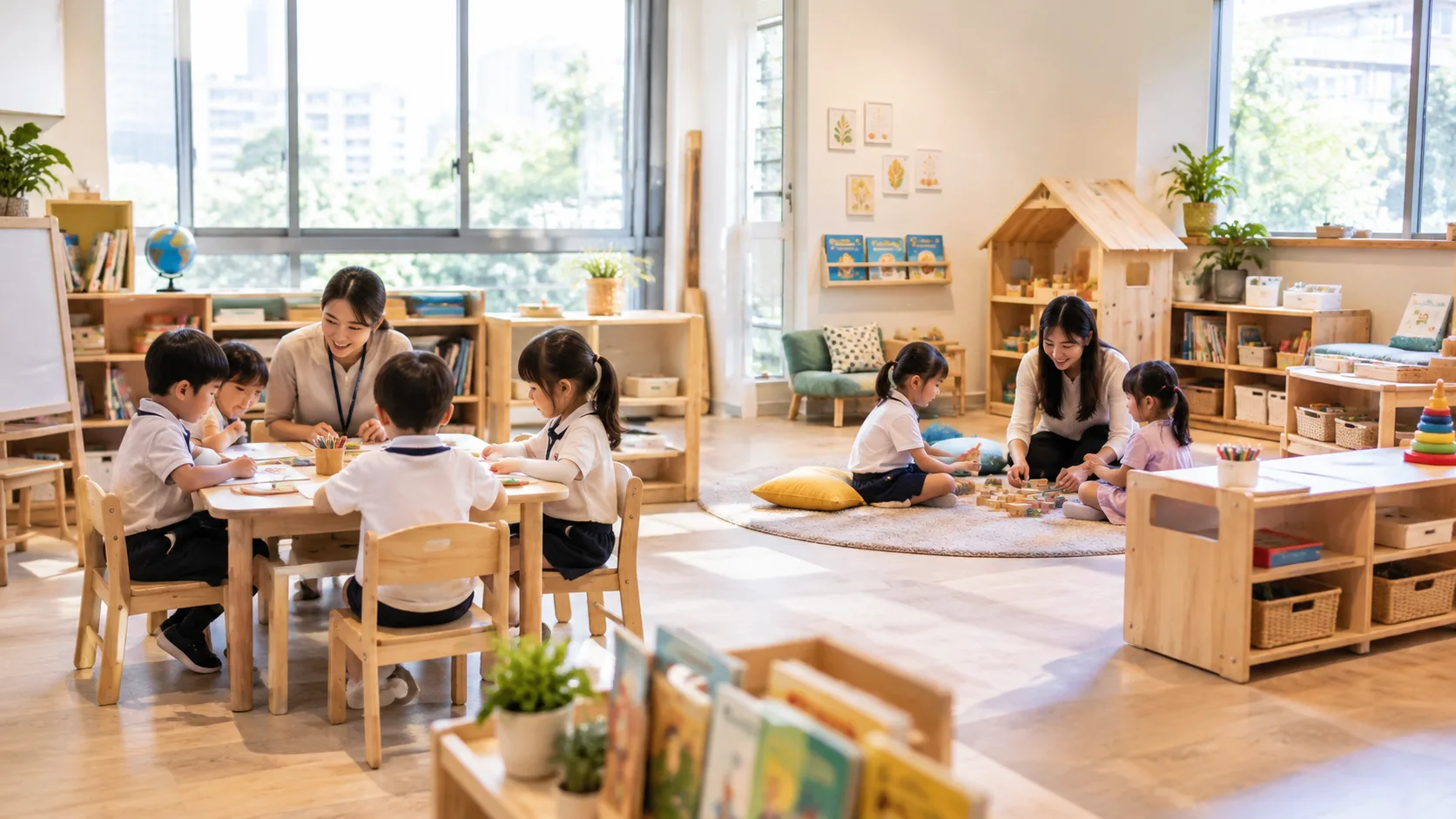
One of the key features of the B.Des program is its studio-based and hands-on learning approach. Students participate in workshops, group projects, and design studios where they can experiment with different materials, techniques, and concepts. This practical learning environment encourages students to explore their creative ideas and refine their skills through continuous practice. Faculty members guide students through each stage of the design process, helping them understand how to move from concept development to final execution.
Technology is another important component of modern design education. The B.Des program ensures that students become familiar with industry-standard digital tools and design software. These tools allow students to create digital illustrations, visual layouts, prototypes, and interactive designs. By learning both traditional and digital design techniques, students gain the versatility needed to work in different creative industries. The integration of technology with creativity prepares students to adapt to the rapidly evolving design landscape.
As the program progresses, students are given opportunities to specialize in specific design disciplines based on their interests and career goals. Areas such as UI/UX Design, Product Design, and Spatial or Interior Design allow students to gain deeper knowledge and expertise in particular fields. Specialization also helps students build a strong portfolio that showcases their creative abilities and technical skills. A well-developed portfolio is essential for securing internships and job opportunities in the design industry.
Industry exposure is a significant advantage of studying at DC School. The institution encourages students to participate in internships, exhibitions, workshops, and design competitions. These activities help students interact with industry professionals and understand real-world design practices. Internships, in particular, provide valuable experience by allowing students to work in professional design environments and apply their academic learning to practical projects.
The B.Des program also emphasizes critical thinking and problem-solving skills. Designers are often required to analyze user needs, conduct research, and develop innovative solutions that enhance user experiences. Students learn how to approach design from a user-centered perspective, ensuring that their creations are not only visually appealing but also functional and meaningful.
Graduates of the Bachelor of Design program have a wide range of career opportunities. They can work as graphic designers, UI/UX designers, product designers, interior designers, brand consultants, or creative directors. With the increasing importance of design in industries such as technology, media, advertising, and architecture, the demand for skilled designers continues to grow.
B.Des program at DC School of Architecture and Design offers a balanced blend of creativity, technical training, and industry exposure. It provides aspiring designers with the knowledge, skills, and confidence needed to build successful careers in the creative world while contributing innovative ideas to society.