
In a major shift that is reshaping pain management strategies nationwide, healthcare experts are increasingly emphasizing a "ground-up" approach to treating chronic musculoskeletal pain. As patients and providers look for effective, non-surgical alternatives to long-term medication, a new focus on biomechanics is revealing that for many, the key to lasting relief for aching knees, hips, and backs may lie in their feet.
For years, the standard approach to chronic joint pain often focused on managing symptoms at the site of discomfort. This could involve anti-inflammatory medication, injections, or stretches aimed at the specific joint. While these methods can provide temporary relief, a growing body of evidence and clinical observation suggests they often fail to address the underlying cause of the repetitive stress that leads to the pain in the first place.
The new focus is on the body's kinetic chain—the interconnected system of joints where a malfunction in one area can create a cascade of compensatory stress in another. "We are seeing a paradigm shift," note physical therapists and biomechanics experts. "We're encouraging patients to stop just chasing the pain and start asking why the pain is there. For a huge number of people, the answer is an unstable foundation."
The most common issue is excessive pronation, a condition where a person's arches collapse and their ankles roll too far inward with each step. This seemingly small issue at the foot level forces the entire leg to rotate internally, which can cause the kneecap to track improperly, place unnatural strain on the hip muscles, and tilt the pelvis, leading to chronic lower back pain.
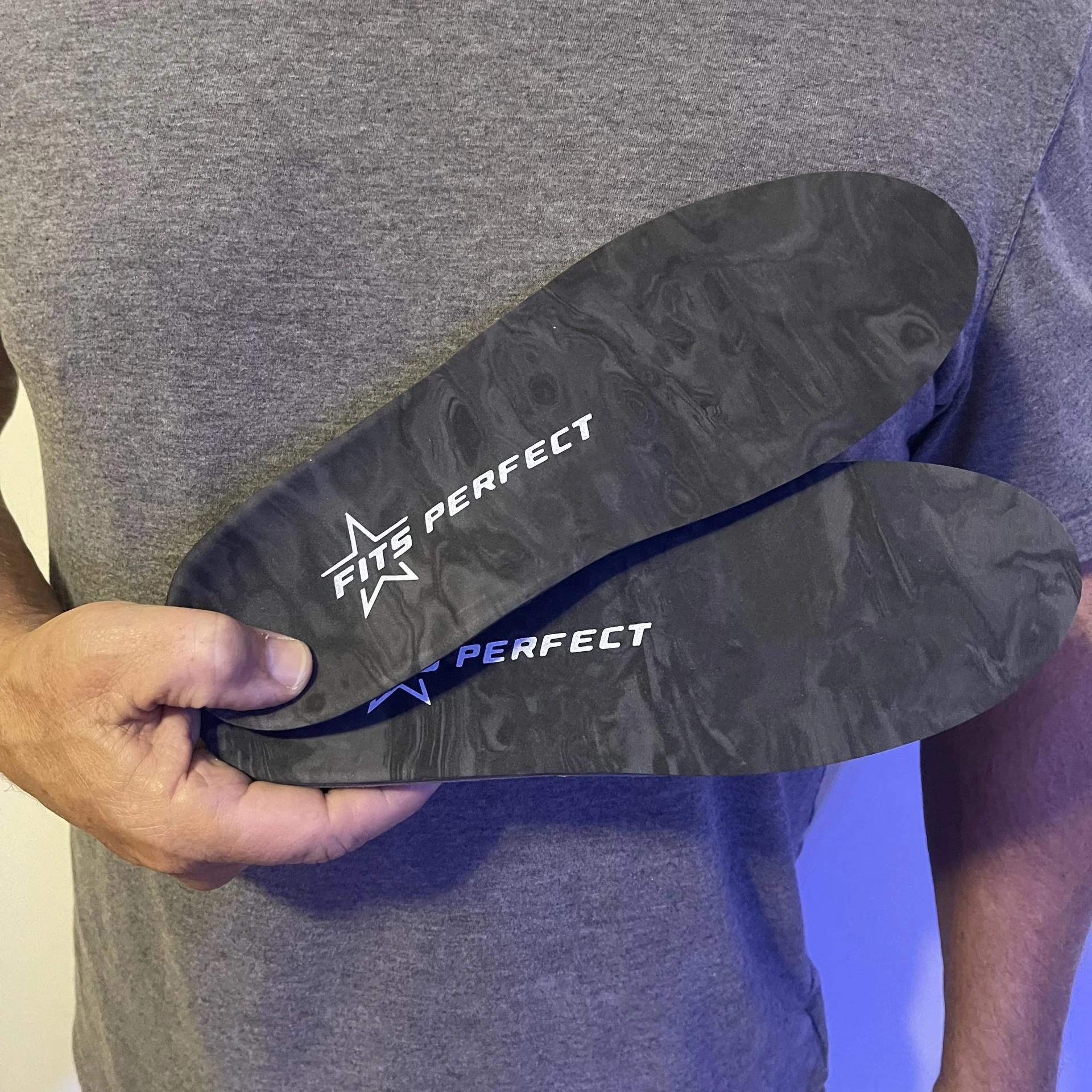
As part of this updated approach, clinicians are increasingly integrating custom orthotics into comprehensive conservative care plans. These medical devices are not simply arch supports; they are corrective tools designed to control the faulty foot mechanics at the source.
By stabilizing the foot and preventing overpronation, a true custom orthotic can stop the chain reaction of misalignment before it starts. This reduces the repetitive, day-to-day stress on the knee, hip, and back joints, giving them an environment in which inflammation can subside and healing can occur.
This foundational strategy is seen as a powerful complement to physical therapy. The orthotics provide a stable base that makes therapeutic exercises more effective, while the therapy strengthens the muscles needed to support the new, healthier alignment.
Further accelerating this trend is the rise of health technology that makes this solution more accessible. Patients no longer need a difficult-to-obtain referral or an in-person casting. With at-home 3D foot scanning technology, individuals can capture their own precise foot data and order a personalized medical device directly.
This patient-empowering approach represents a significant step forward in the management of chronic pain. By focusing on the body's foundational mechanics, individuals now have a powerful, non-invasive strategy to address the root cause of their discomfort and work toward a more sustainable, long-term solution. Patients struggling with chronic joint pain are encouraged to consider a biomechanical assessment as a key part of their diagnostic journey.