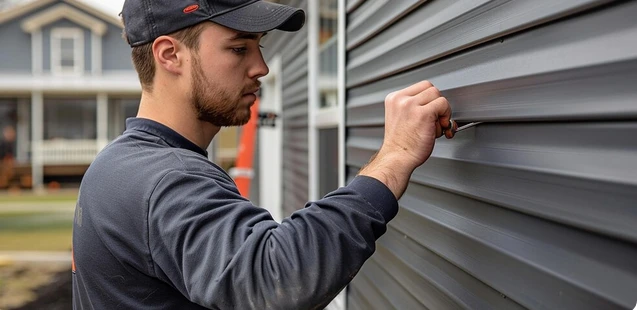
Installing a new garage door is not just about improving curb appeal—it’s about enhancing safety, increasing home value, and ensuring functionality that suits both lifestyle and budget. Garage door installation is a specialized service that requires technical skill, precision, and an understanding of various systems and styles available on the market. For homeowners looking to upgrade or replace an existing garage door, professional installation plays a key role in getting the job done right.
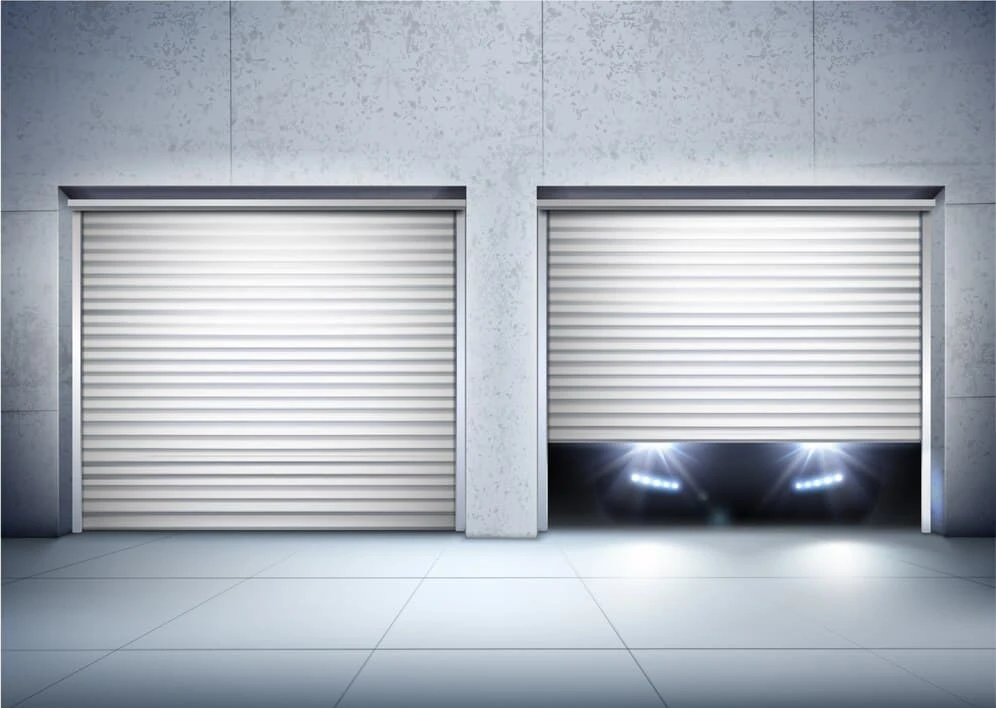
This article outlines the importance of professional garage door installation, what homeowners should expect during the process, and why investing in quality workmanship is essential for long-term satisfaction.
Understanding the Importance of Garage Door Installation
The garage door is one of the largest moving components of any home. It serves as both a functional entrance and an architectural element that contributes to the property's overall aesthetics. Proper garage door installation ensures:
- Enhanced Security: A correctly installed door keeps intruders out and protects vehicles, tools, and other stored belongings.
- Operational Safety: Avoids accidents that can result from faulty springs, misaligned tracks, or improper tension.
- Energy Efficiency: Insulated garage doors help in maintaining temperature control, especially in attached garages.
- Increased Property Value: A new, stylish garage door can significantly boost a home's resale value and curb appeal.
Types of Garage Doors Available for Installation
There are several types of garage doors to choose from, each with its own advantages:
- Sectional Garage Doors
- The most common residential style, sectional doors consist of panel sections that slide up overhead on tracks. They’re durable and available in numerous designs.
- Roll-Up Garage Doors
- Ideal for smaller spaces, these doors roll into a coil above the opening. They're more common in commercial settings but gaining popularity in residential use.
- Slide to the Side Doors
- These doors operate by bending to one side of the garage and running parallel to the wall. They require less headroom and are easy to automate.
- Side-Hinged Doors
- A classic choice, these doors swing open like traditional barn doors. They provide quick pedestrian access without lifting the entire door.
- Tilt-Up Canopy & Retractable Doors
- These doors swing out and then up into the garage ceiling. While less common today, they’re still used for certain architectural styles.
Materials to Consider for Garage Door Installation
The right material depends on your climate, style preference, and maintenance expectations:
- Steel: Durable, low-maintenance, and highly customizable.
- Wood: Offers a classic, upscale look but requires more upkeep.
- Aluminum: Lightweight and rust-resistant, ideal for humid climates.
- Fiberglass: Resists dents and doesn’t rust, but can fade over time.
- Vinyl: Durable and dent-resistant, ideal for families with children.
What to Expect During a Professional Garage Door Installation
A standard garage door installation usually follows these steps:
- Initial Consultation & Measurement
- A professional evaluates the opening and surrounding structure, ensuring the correct size and type of door is ordered.
- Old Door Removal
- If replacing an old door, the technician will safely dismantle and dispose of the existing system.
- Track and Hardware Setup
- Tracks are installed along the sides and ceiling to guide the new door. Springs, hinges, rollers, and brackets are also added.
- Panel Assembly & Installation
- The door panels are carefully positioned and secured, ensuring they’re level and flush.
- Spring and Cable Configuration
- Springs are installed and tensioned appropriately to balance the weight of the door, which is critical for smooth operation.
- Motor & Opener Integration
- If an automatic opener is included, it will be mounted and calibrated to work with the newly installed door.
- Testing & Final Adjustments
- The entire system is tested multiple times to ensure flawless movement, safety sensor accuracy, and remote functionality.
Why Professional Garage Door Installation Is Essential
Attempting a DIY garage door installation might seem like a way to save money, but it often results in costly mistakes or safety hazards. Hiring experienced professionals ensures:
- Correct Tensioning of Springs: Improperly tensioned springs can lead to system failure or dangerous accidents.
- Precise Alignment: Misalignment can damage the door, reduce efficiency, and cause excessive noise.
- Reliable Operation: A smooth, quiet, and dependable garage door adds convenience and peace of mind.
- Warranty Protection: Many garage door manufacturers require professional installation to honor warranty terms.
Key Features to Look for in a New Garage Door Installation
Before settling on a garage door, consider features that enhance long-term satisfaction:
- Insulation (R-Value): Higher R-values provide better insulation for temperature control and noise reduction.
- Smart Technology: Modern openers can integrate with smartphone apps for remote control and monitoring.
- Durability Coatings: Choose doors with anti-rust, UV-resistant finishes for longevity.
- Safety Sensors: All new systems should include sensors that detect obstructions and prevent accidents.
- Battery Backup: For areas prone to power outages, a backup ensures access during emergencies.
Maintenance Tips Post-Installation
After installation, ongoing care is essential to keep the door functioning well:
- Regular Lubrication: Moving parts such as rollers, hinges, and tracks should be lubricated every six months.
- Visual Inspections: Check for wear or damage, especially on cables and springs.
- Cleaning: Wash the door surface regularly and clear tracks of debris.
- Balance Tests: Disconnect the opener and manually lift the door halfway. It should stay in place if it’s properly balanced.
- Schedule Professional Tune-Ups: An annual service visit can catch minor issues before they escalate.
Common Signs It's Time for a New Garage Door Installation
Even the best garage doors don’t last forever. Consider a replacement if:
- The door makes loud, unusual noises.
- There’s visible sagging or warping.
- It no longer opens or closes evenly.
- The design looks outdated and affects curb appeal.
- You’re spending more on repairs than the cost of replacement.
Final Thoughts
Investing in garage door installation is a smart move for any homeowner looking to upgrade their property’s appearance, efficiency, and security. With numerous styles and features available, finding the perfect garage door has never been easier. From the initial consultation to the final inspection, professional garage door installation ensures long-term reliability and value.
Whether you're replacing an old, malfunctioning door or installing one for new construction, working with experts guarantees that the job is done safely, efficiently, and to the highest standard. A well-installed garage door doesn’t just open and close—it adds peace of mind and enhances daily living.