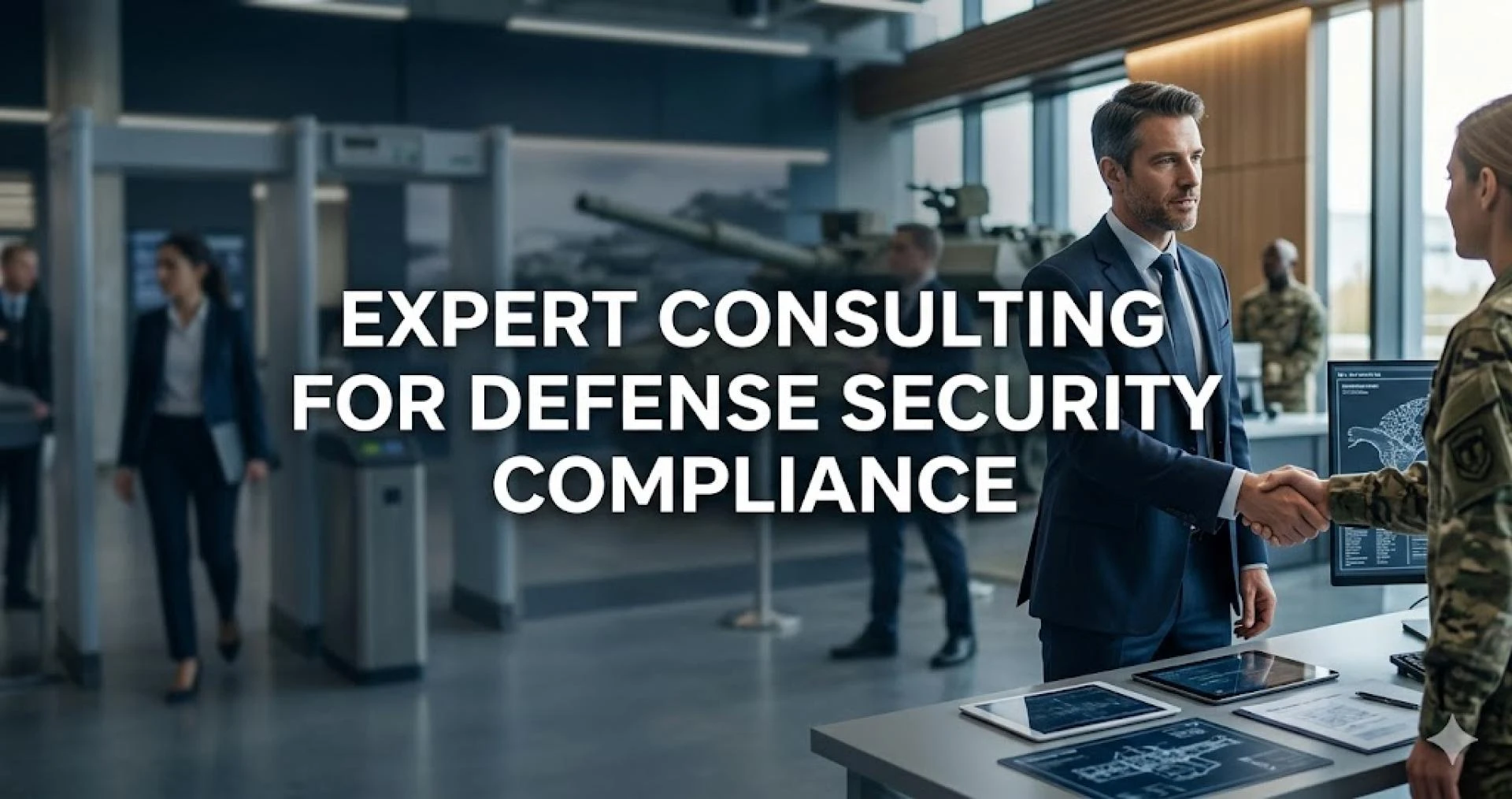
The digital landscape for East New York defense contractors has shifted from a "best effort" security model to a strict, audit-ready requirement. If your logistics firm, healthcare facility, or corporate office handles sensitive Department of Defense (DoD) data, the stakes involve more than just data privacy; they involve your ability to remain in business. Navigating the complexities of federal regulations while managing a local operation requires more than just a firewall. It requires a strategic partner to bridge the gap between local infrastructure and national security standards.
Securing a contract in the defense industrial base means proving you can protect Federal Contract Information (FCI) and Controlled Unclassified Information (CUI). For many business owners in Brooklyn and the surrounding areas, this transition feels like a mountain of paperwork and technical debt. However, with the right cmmc compliance consultant, this transition becomes a roadmap for long-term resilience rather than a regulatory hurdle.
Understanding the CMMC Framework for East New York Businesses
The Cybersecurity Maturity Model Certification (CMMC) isn't just another checklist. It is a unified standard for implementing cybersecurity across the defense industrial base. Whether you are a small machine shop or a large-scale logistics provider near the Pennsylvania Avenue corridor, your level of certification determines which contracts you can bid on.
The Shift from Self-Attestation to Third-Party Audits
Historically, contractors could self-certify their compliance with NIST SP 800-171. Those days are ending. The DoD now requires verified proof that your security controls are not only present but functioning effectively. This shift ensures that every link in the supply chain—no matter how small—is hardened against foreign intelligence threats and ransomware.
Aligning Local Infrastructure with Federal Standards
Local IT managers often struggle to reconcile day-to-day operations with the rigid requirements of defense security. This is where modern it business solutions play a critical role. It isn’t just about buying new hardware; it’s about creating a culture of security that satisfies both PIPEDA standards for local privacy and CMMC for federal defense.
Protecting Controlled Unclassified Information (CUI)
CUI is the "secret sauce" of the defense industry. It isn't classified, but it is sensitive. If your warehouse handles shipping manifests for defense components, or if your healthcare facility provides specialized services for military personnel, you are likely handling CUI. Failure to protect this data can lead to immediate contract termination and legal repercussions.
Strategic Implementation of Security Systems for Business
For a logistics hub or a corporate office in East New York, security isn't just digital. Physical security and digital access controls must work in tandem. Integrated security systems for business ensure that only authorized personnel can access areas where sensitive data is processed or stored.
Physical vs. Logical Access Controls
Compliance requires a "defense in depth" strategy. This means you need:
- Biometric or Keycard Access: Restricting physical entry to server rooms.
- Multi-Factor Authentication (MFA): The gold standard for preventing unauthorized remote logins.
- Session Limits: Automatically logging out users after periods of inactivity to prevent "tailgating" on digital sessions.
Workforce Security Training
Your employees are your first line of defense and your greatest vulnerability. Regular training sessions tailored to the East New York business environment help staff recognize phishing attempts that specifically target local contractors. Training should cover everything from password hygiene to the proper disposal of sensitive documents.
Incident Response Planning
What happens when a breach occurs? A robust incident response plan (IRP) is a mandatory component of defense compliance. You must have a defined process for detecting, reporting, and neutralizing threats. This includes knowing exactly when to contact the CSEC (Communications Security Establishment Canada) or local law enforcement if a breach impacts national security data.
Comparing Your Security Options: In-House vs. Managed Services
Deciding how to manage your compliance journey is a significant financial and operational decision. Most East New York firms find themselves choosing between building an internal team or partnering with specialized consultants.
While an in-house team understands your internal culture, they may lack the deep technical knowledge required to pass a CMMC audit. Conversely, a managed service provider brings a wealth of experience from helping dozens of other firms through the same process.
Navigating the CMMC Level 1 Checklist
For many sub-contractors, Level 1 is the starting point. This level focuses on "Basic Cyber Hygiene" and consists of 17 practices that align with FAR 52.204-21. While it is the most entry-level tier, it sets the foundation for all future growth in the defense sector.
Essential Basic Cyber Hygiene
To get started, you should review a cmmc level 1 compliance checklist to identify immediate gaps in your current setup. This typically includes:
- Antivirus and Malware Protection: Ensuring every endpoint is shielded.
- Regular Patch Management: Keeping software updated to close known vulnerabilities.
- Sanitization: Properly wiping or destroying media before disposal.
The Role of Cloud vs. On-Prem Security
Many East New York corporate offices are moving to the cloud to simplify compliance. However, not all cloud providers are created equal. If you store defense data in the cloud, the provider must meet FedRAMP High or Moderate standards. If you keep data on-prem, you are responsible for the physical security of the servers, which often requires significant upgrades to facility monitoring and environmental controls.
Seasonal Threats and Persistence
Cyber threats don't take holidays. In fact, many attackers target the defense supply chain during seasonal lulls when staffing might be lower. Continuous monitoring is a core requirement of higher-level compliance. It isn't enough to be secure today; you must prove you are secure 24/7.
Compliance Requirements: Beyond the DoD
While CMMC is the focus for defense, East New York businesses must also juggle local and provincial regulations. Integration is key to avoiding redundant work.
PIPEDA and Data Privacy
The Personal Information Protection and Electronic Documents Act (PIPEDA) governs how private-sector organizations collect, use, and disclose personal information. If your cybersecurity framework is built to satisfy CMMC, you are already well on your way to PIPEDA excellence. The encryption and access control requirements often overlap, allowing you to "comply once, satisfy many."
WSIB and Labour Laws
For logistics and warehouse operators, IT security also touches on worker safety and provincial labour laws. Secure systems ensure that employee records are protected and that automated machinery—often controlled via the network—cannot be tampered with, which could lead to physical workplace injuries.
FAQ: Defending Your East New York Business
What is the primary goal of CMMC for defense contractors?
The primary goal is to protect Controlled Unclassified Information (CUI) across the supply chain. By standardizing security requirements, the DoD ensures that all contractors, regardless of size, maintain a baseline of cybersecurity that protects national interests from sophisticated cyber threats.
How long does it take to achieve CMMC compliance?
The timeline varies based on your current security posture. Generally, it takes between 6 to 12 months to move from an initial gap analysis to being audit-ready. This includes time for implementing new technical controls, documenting processes, and training staff.
Can a small business in East New York afford these security measures?
While the initial investment can be significant, the cost of non-compliance is much higher. Losing the ability to bid on defense contracts can be a business-ending event. Many firms utilize managed services to spread the cost and access expert talent without the overhead of full-time hires.
Does CMMC apply to companies that only handle "public" information?
If your company only handles information intended for public release, you may not need CMMC. However, if you have a contract with the DoD, you likely handle Federal Contract Information (FCI) at a minimum, which requires CMMC Level 1.
What is the first step in the compliance process?
The first step is always a gap analysis. You need to know where you stand compared to the required framework. This involves reviewing your current IT infrastructure, policies, and physical security to identify what needs to be fixed before an official audit occurs.
Securing Your Future in the Defense Supply Chain
The transition to rigorous defense security standards is a defining moment for East New York’s industrial and corporate landscape. Those who embrace these changes now will find themselves at the front of the line for lucrative federal contracts, while those who wait may find themselves locked out of the market entirely.
At Defend My Business, we specialize in turning complex regulatory requirements into clear, actionable business strategies. We understand the local challenges faced by Brooklyn business owners and the global threats targeted at the defense sector. Don't let a "failed" audit be the reason your business loses its competitive edge.
Would you like me to perform a preliminary gap analysis of your current security protocols to see how close you are to CMMC readiness?