
The Moment the Jungle Went Silent
There is a specific kind of silence that only happens in the very deepest parts of the wild. One second, the birds are chirping loudly and the gray langur monkeys are chattering aggressively from the treetops. The next second? Absolute, heavy stillness. My heart started thumping hard against my ribs, echoing in the quiet. Our guide slowly raised his hand and whispered just one word: "Tiger." We waited, barely breathing, as the tall yellow grass parted. Out stepped a massive Bengal tiger, her coat glowing like liquid fire under the hot morning sun. Seeing a predator this close in the Ranthambore Tiger Sanctuary isn't just a simple vacation highlight; it is a profound, life-changing moment. It immediately makes you realize how truly small and insignificant we humans really are against the power of nature. This single encounter justified months of careful planning and travel.
Finding the Right Place to Rest
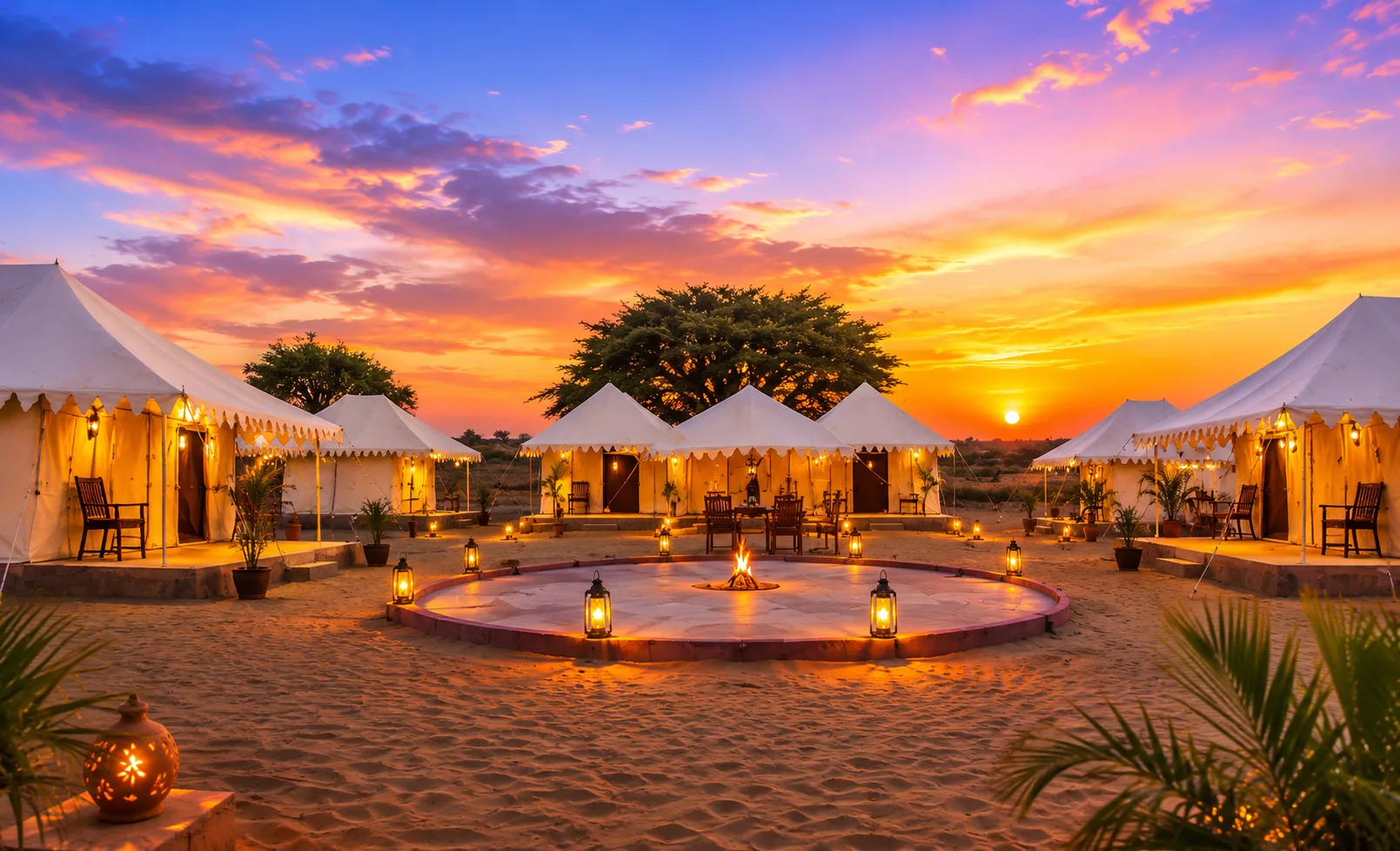
After a morning safari filled with raw adrenaline, you absolutely need a place to process all those emotions. The area immediately surrounding the park gates is full of various Ranthambore Resorts, catering to every imaginable budget, from simple tents to ultra-luxury palaces. However, they aren't all the same experience, and choosing wisely is vital. Some feel like big, cold, impersonal hotels that could be located in any city. Others feel like they are an organic part of the great forest itself. I have personally found that the best stay is one where you can still clearly hear the spotted deer calling at night and the owls hooting in the trees. Here's the part most guides skip: the physical location of your stay can actually save you hours of travel time every single day. You want to be close enough to hear the faint alarm calls of the sambar deer right from your private balcony.
Navigating the Chaos of Booking
The anticipation of seeing a tiger is intense, but the logistics can be truly overwhelming. When I first started planning, I didn't realize how complicated the booking system could be. The Rajasthan government controls all safari bookings. You have to navigate a complex online portal, select your preferred zone, and hope for the best. For newcomers, this often results in frustration. Many people wait until they arrive in the village of Sawai Madhopur, only to find that all the good jeep safaris are completely sold out for weeks. The alternative is the larger canter trucks, which are good but don’t offer the same intimate experience or quiet ride as a jeep. This logistical hurdles is why many experienced travelers suggest working with a local operator or finding a resort that includes safari booking as part of their package. It saves you the immense stress of fighting the system.
More Than Just Big Cats
While nearly everyone arrives with dreams of seeing tigers, the park has a secret, ancient soul that goes much deeper. The massive Ranthambore Fort, a UNESCO World Heritage site, sits incredibly high on a rocky hill, watching over the entire forest like a silent guardian. It feels like a magnificent scene straight out of a movie. As your jeep bumps along the trails, you’ll see leopards hiding in the deep shadows of the old stone gateways and enormous marsh crocodiles sunning themselves lazily by the lakes. Worth knowing: the three main lakes—Padam Talao, Raj Bagh Talao, and Malik Talao—are where the real wildlife action happens during the scorching hot afternoons. Watching a tiger patiently stalk a sambar deer near the water’s edge is intense and unforgettable. Tiger Machan offers an exceptional way to stay connected to this rugged, beautiful landscape without having to sacrifice any comfort. It successfully adds up to a complete experience that feels raw yet welcoming.
The Daily Rythm of the Jungle
Life around the Ranthambore Tiger Sanctuary is defined by two moments: dawn and dusk. The morning safaris start before sunrise. It’s a magical time, with the mist rising off the lakes and the first light filtering through the banyan trees. But this is also the most competitive time, with dozen of vehicles racing to the zones where a tiger was last seen the previous evening. The afternoon safaris begin when the sun is at its hottest, around 2:30 PM. This might seem like a bad time for wildlife, but it’s actually when animals are forced to come out to the water holes to drink and cool down, making them easier to spot. The park closes strictly at sunset, and all vehicles must be out. This daily rhythm becomes your entire world, replacing the stressful clock-watching of regular life with a simpler, older connection to the sun and the animals.
Protecting What We Love
One of the most important aspects of visiting Ranthambore is witnessing conservation in action. This park was part of India's historic Project Tiger, launched in 1973 to save the Bengal tiger from extinction. While tiger numbers have grown, the challenges remain immense. Tourism plays a complex role here. On one hand, the money from park fees helps fund protection. On the other, the high number of tourist vehicles can stress the animals and damage the environment. As responsible travelers, we have a duty to minimize our impact. We must stay quiet, never litter, and strictly follow all the park rules that the guides provide. By visiting ethical operators and choosing sustainable Ranthambore Resorts, we directly support the local communities who share their land with these magnificent predators. Protecting this forest ensures that future generations will have their own "moment the jungle went silent."
Ranthambore: A History of Kings and Hunters
Long before it became a sanctuary for wildlife, this forest was the private hunting ground for the Maharajas of Jaipur. The same trails that we now quietly traverse in search of the perfect photograph were once filled with royal hunting parties. Evidence of this rich and sometimes brutal history is scattered throughout the park. You will pass by beautiful old hunting lodges, ancient cenotaphs (chhatris), and intricate royal step-wells that were designed to provide water during droughts. This historical layer adds a fascinating new dimension to your wildlife experience. When you see a tiger resting on the stone steps of a ruined palace, you are seeing two powerful empires—the human kingdom and the animal kingdom—meet in a silent, beautiful truce. It’s a powerful reminder that while human history fades, the natural world endures.
Ranthambore by the Seasons
The park's character changes dramatically throughout the year, and each season offers a unique experience. Summer (April to June): This is undeniably the best time for tiger sightings, as the heat forces tigers to move frequently towards water sources. The catch? The temperature often exceeds 40°C (104°F). It can be grueling, but the rewards for patience are incredible. Monsoon (July to September): The Ranthambore Tiger Sanctuary is completely closed during this season. The core zones are shut down to allow the forest to recover and to protect animals during the breeding season, when they are most vulnerable. Only a few buffer zones might remain open. Winter (October to March): This is the peak tourist season. The weather is truly delightful, with cool mornings and pleasant, sunny days. However, tiger sightings are generally more challenging as the cats do not need to move to water holes as frequently.
Why the Wild Stays With You
Leaving this great forest is always the hardest part of the entire trip. As our jeep drove away from the dusty trails for the final time, I looked back at the imposing Ranthambore Fort one last time. The Ranthambore Tiger Sanctuary isn't just a simple tourist spot on a map; it is a vital, living reminder that truly wild places still exist in our crowded world. You go home with dust in your hair and incredible stories that sound like tall tales to your friends back home. But you know the absolute truth. You looked deep into the amber eyes of the queen of the jungle, and for a few fleeting seconds, the entire world stood still. It is a profound, primal feeling that stays with you, locked deep in your bones, long after you’ve left the trees and the dust far behind.
Common Questions About Ranthambore
1. When is the best time to see a tiger?
The hotter months of April, May, and June are undeniably the best for frequent and reliable tiger sightings. The extreme heat forces tigers and other animals out to the limited water holes to drink and cool down. However, this is balanced by the weather, which is exceptionally hot, so you must be physically and mentally ready for the intense heat!
2. Are the safaris safe?
Yes, they are extremely safe. You stay inside a sturdy, customized jeep (Gypsy) or a larger, elevated truck called a canter. The tigers have grown completely used to the presence of these vehicles and usually ignore them, often walking right alongside the moving jeeps. All safaris are accompanied by government-licensed guides and drivers who strictly follow safety protocols.
3. How many days should I stay?
I strongly recommend staying for at least three full days. Since tiger sightings are never guaranteed, this gives you the opportunity for multiple safaris (at least 4-5 rides). Multiple trips significantly increase your chances of a "big win"—a clear, close, and undisturbed sighting. This also allows you time to relax and explore the fort and lakes properly.