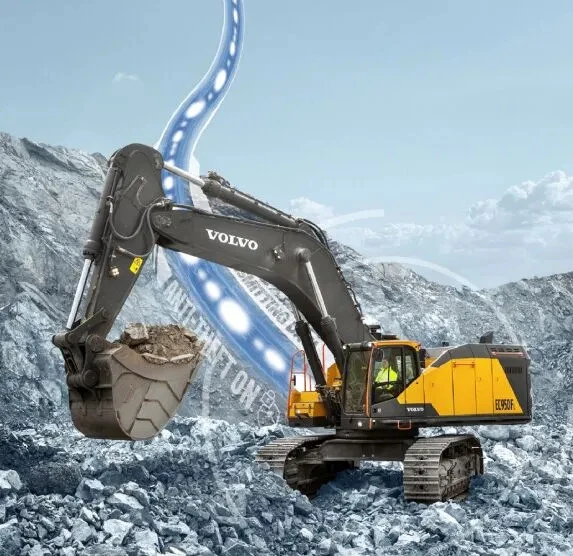
Excavators are versatile, high-powered machines designed for intensive applications such as digging, breaking up hard surfaces, and moving materials. For many construction teams, an excavator rental is the most efficient solution when a specific machine is not currently part of their permanent fleet. Identifying the specific tasks involved in your project—whether you are digging narrow trenches, clearing large land plots, or handling heavy materials—will help you determine the exact size and type of equipment required.
Entering into an agreement for earthmoving machinery allows contractors to access specialized tools without the burden of high capital investment or long-term ownership. This arrangement offers significant cost-effectiveness and flexibility, allowing businesses to match machinery precisely to their unique project requirements. Evaluating your project timeline accurately is crucial, as many companies offer flexible periods where longer projects may benefit from monthly options or discounted rates. Selecting the right machine ensures maximum efficiency, productivity, and safety for your specific job.
Understanding Technical Specifications
Selecting the right machine goes beyond picking a size; it requires understanding critical specifications like operating weight, dig depth, bucket capacity, and attachment compatibility. Operating weight includes the machine, fuel, attachments, and the operator, which directly impacts ground stability and transport needs. Dig depth represents the maximum depth the bucket can reach, a vital metric for sewer or water line installations. Matching the machine's height and lifting capacity to your project avoids safety hazards or equipment damage. Always choose a machine with a dig depth slightly greater than required to allow for safe clearance and flexibility.
Track Types and Attachments
Tracks are generally available in rubber or steel. Rubber tracks are ideal for delicate finish surfaces like pavement, concrete, or turf, as they minimize ground damage and reduce vibrations. Steel tracks are far more durable, providing superior traction on rugged terrain, mud, or snow, making them the standard for demolition and forestry. To enhance versatility, you can equip machines with attachments such as hydraulic hammers for breaking rock, augers for drilling holes, or grapples for sorting debris. Using quick-coupler systems can save significant time by allowing operators to switch between these tools without manual effort.
Dry Hire vs. Wet Hire
A pivotal decision in the procurement process is choosing between dry and wet hire. Dry hire refers to renting the equipment only, leaving the operation and site management to you. This is a cost-effective choice for those who already have a team of skilled, competent operators who are familiar with the machinery. Wet hire, on the other hand, includes both the machinery and an experienced operator. While often more expensive, wet hire reduces the risk of project delays due to inexperience and often covers additional services like maintenance and insurance.
Sizing for Success: Mini to Large
Machines are categorized by their weight class and capabilities. Mini excavators, typically under 10,000 lbs, offer exceptional maneuverability in confined spaces and are popular for residential DIY projects. Compact or mid-size excavators (10,000 – 30,000 lbs) provide a balance of power and reach, making them suitable for urban utility work and general construction. For heavy-duty tasks like mass excavation or demolition, standard or large excavators (over 30,000 lbs) are necessary for their high productivity. Understanding site constraints, such as proximity to buildings, ensures you select the appropriate tail swing size.
Budgeting and Rental Costs
Pricing for an excavator rental is typically structured on a daily, weekly, or monthly basis. Daily rates are often calculated based on a standard "one shift" operation of up to 8 hours per day or 40 hours per week. If the machine is used for more than one shift, additional charges usually apply. Beyond the base rate, you must account for transport fees, delivery and pickup charges, and potential environmental fees. Fuel is typically not included in the cost, and renters are responsible for returning the machine with a full tank to avoid refueling surcharges.
Safety, Maintenance, and Compliance
Safety is paramount, and a thorough inspection checklist should be followed before operation. A pre-start check includes examining fluids, searching for visible leaks, and ensuring seat belts are functional. After a brief warm-up, operators should check the hydraulics, brakes, and backup alarms. Additionally, users must be aware of local regulations, including permits, noise restrictions, and the location of underground utilities to prevent accidents. Ensuring you have proper insurance, such as commercial general liability and property insurance for the full replacement cost, is a standard requirement for all contractors.
Conclusion
Opting for an excavator rental provides a flexible and financially sound way to complete projects without the high maintenance expenses or storage challenges of ownership. By carefully evaluating machine specs, site constraints, and the choice between dry or wet hire, you can find the best value for your investment. Proper planning and selecting a reputable partner ensure that your construction or landscaping goals are met safely and efficiently. Maintaining communication with your rental provider helps you choose the optimal equipment for your specific timeline and budget