
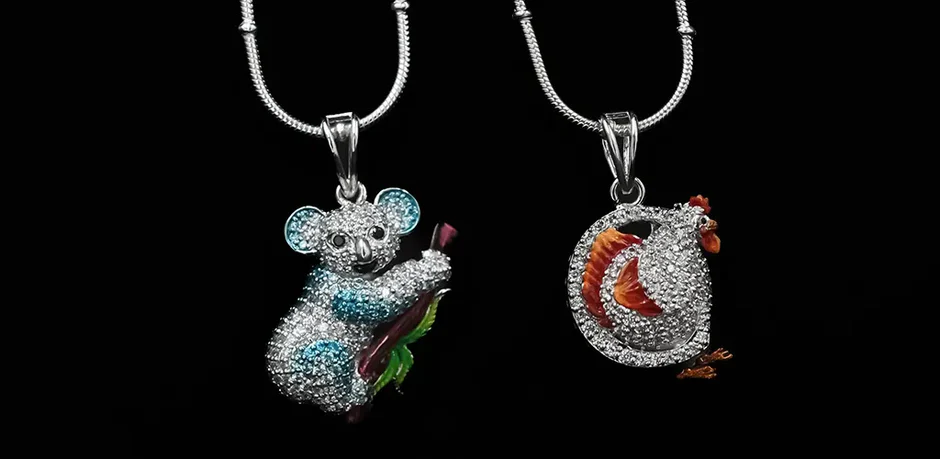
“Discover how South Indian paper casting jewellery blends heritage aesthetics with lightweight comfort, shaping modern buying preferences and design trends”.
The jewellery landscape in India has undergone a significant transformation in recent years, with consumers increasingly seeking pieces that combine heritage aesthetics with modern comfort. South Indian jewellery, traditionally known for its intricate craftsmanship and cultural depth, is now being reimagined through innovative techniques such as paper casting. This evolution reflects changing preferences, where buyers value both authenticity and practicality.
Changing Consumer Preferences in Jewellery
Today’s jewellery buyers are more informed and discerning than ever before. While traditional designs continue to hold emotional and cultural value, there is a growing demand for pieces that are easier to wear and maintain. Heavy ornaments, once reserved for weddings and festivals, are gradually being replaced by lighter alternatives that can be worn across multiple occasions.
This shift has contributed to the rising interest in South Indian Paper Casting Light Weight Jewellery Online, where traditional motifs are recreated using lighter materials. These pieces cater to individuals who appreciate heritage designs but prefer comfort for extended wear. The appeal lies not only in the reduced weight but also in the versatility, allowing seamless pairing with both ethnic and contemporary outfits.
Craftsmanship Meets Innovation
Paper casting as a technique represents a thoughtful adaptation of traditional jewellery-making methods. Artisans use specially processed materials to replicate intricate carvings, textures, and patterns that are typically associated with gold or heavier metals. The result is jewellery that retains visual richness while being significantly more wearable.
The introduction of South Indian 925 Paper Casting Temple Jewellery demonstrates how innovation can coexist with tradition. By incorporating 925 silver as a base or finish, these pieces maintain a sense of authenticity and durability. Temple jewellery designs, known for their elaborate depictions of deities and symbolic elements, are thus made accessible to a broader audience without compromising their artistic integrity.
Heritage Influence and Cultural Continuity
South Indian jewellery has always been deeply connected to cultural identity. Temple jewellery, in particular, carries religious and historical significance, often inspired by temple architecture and sacred iconography. These designs are not merely decorative; they represent stories, beliefs, and artistic traditions passed down through generations.
In the modern context, the emergence of South Indian Heritage Antique Kundan Jewellery reflects a fusion of regional styles. While Kundan work is traditionally associated with North India, its integration into South Indian-inspired designs highlights the dynamic nature of Indian jewellery. This blend creates pieces that are both ornate and culturally diverse, appealing to a wider range of preferences.
Practicality in Everyday Wear
Another key factor influencing jewellery trends is practicality. Modern lifestyles demand accessories that are not only visually appealing but also functional. Lightweight jewellery addresses concerns such as comfort, portability, and ease of styling.
For instance, large necklaces or statement earrings crafted using paper casting techniques can be worn for longer durations without discomfort. This makes them suitable for events that extend over several hours, such as weddings, cultural programs, or professional gatherings. Additionally, the reduced weight minimizes the risk of strain, especially for individuals who prefer elaborate designs.
The Role of Online Accessibility
The availability of traditional jewellery styles through digital platforms has further influenced consumer behavior. Online access allows individuals to explore a wide variety of designs, compare styles, and make informed decisions based on their preferences.
While the keywords associated with online availability highlight discoverability, they also reflect a broader trend—buyers are increasingly turning to digital spaces to understand craftsmanship, materials, and design variations. This has encouraged greater transparency and awareness in the jewellery market.
Sustainability and Future Outlook
Sustainability is becoming an important consideration in consumer choices. Paper casting jewellery aligns with this trend by reducing reliance on heavy metals and enabling more resource-efficient production methods. This not only makes jewellery more accessible but also supports environmentally conscious practices.
Looking ahead, the fusion of traditional artistry with modern techniques is likely to continue shaping the jewellery industry. As consumers seek pieces that reflect both cultural heritage and contemporary sensibilities, paper casting jewellery is well-positioned to meet these expectations.
Conclusion
The evolution of South Indian paper casting jewellery illustrates how tradition can adapt to modern demands without losing its essence. By offering lightweight, versatile, and culturally rich designs, this craft bridges the gap between heritage and innovation.
As jewellery preferences continue to evolve, the emphasis on comfort, accessibility, and sustainability will play a crucial role in shaping future trends. Paper casting jewellery, with its unique combination of artistry and practicality, stands as a compelling example of how traditional crafts can remain relevant in a changing world.
Author Bio
The author, Rohit specializes in Indian jewellery trends, with insights into South Indian Paper Casting Light Weight Jewellery and Heritage Antique Kundan Jewellery, focusing on evolving consumer preferences.