
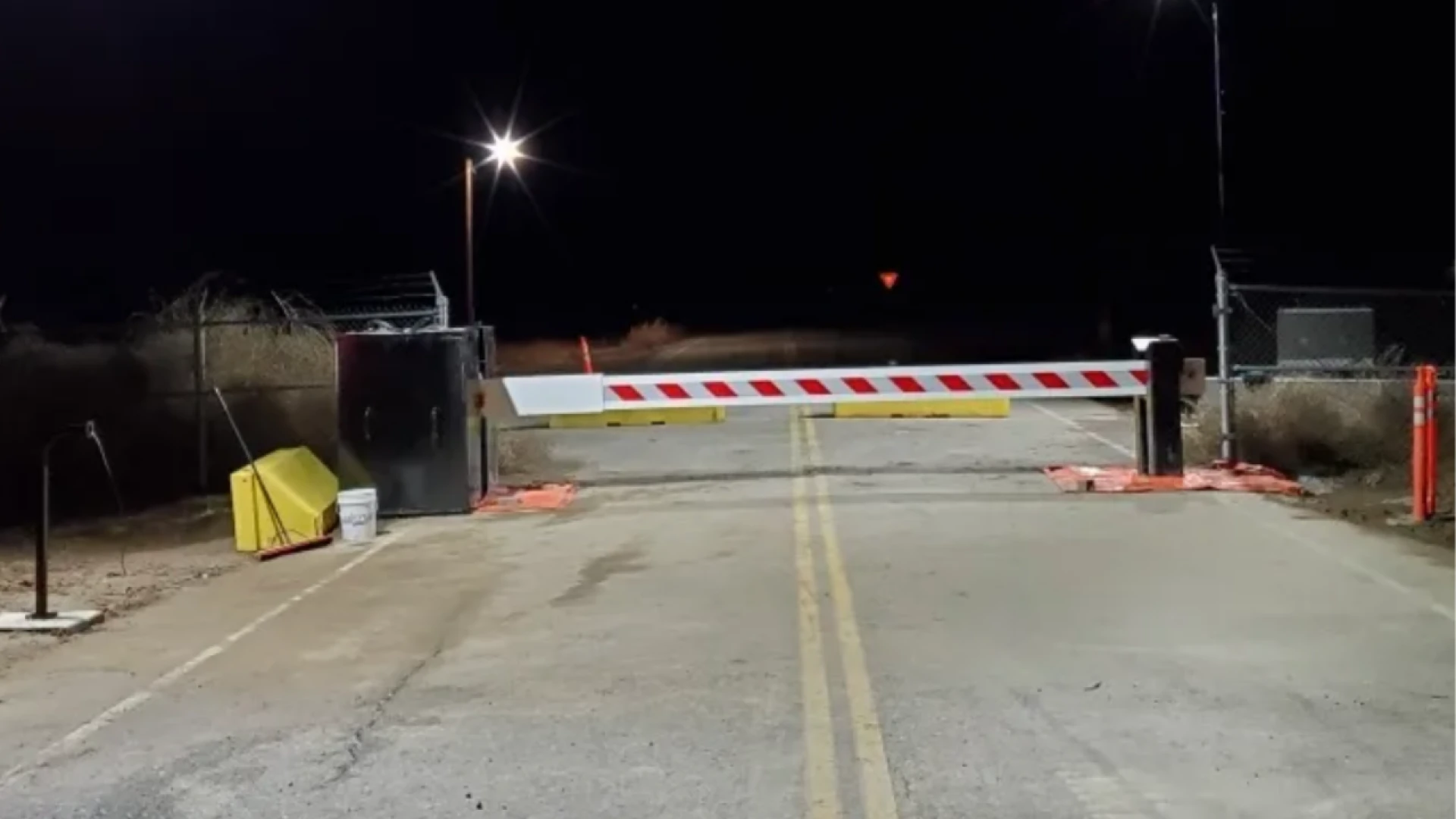
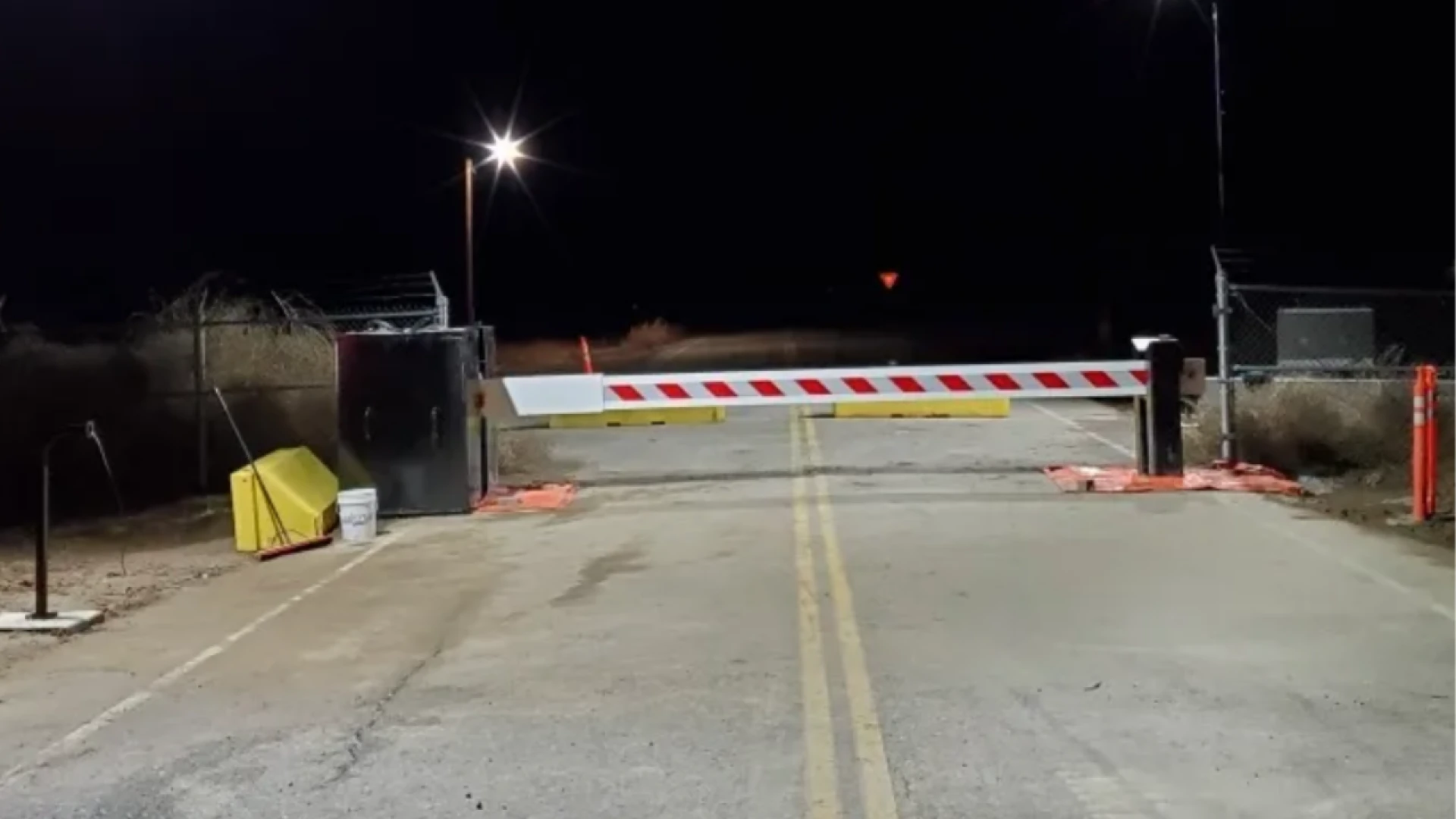
As global security challenges grow increasingly complex, the infrastructure responsible for safeguarding critical facilities must adapt accordingly. Perimeter security has transcended traditional measures such as fences and cameras, requiring integrated layers of protection that begin well before individuals or vehicles approach a site. Entry Control Points (ECPs) now serve as the initial and most essential line of defense, acting simultaneously as screening mechanisms and deterrents. These systems must not only regulate traffic flow but also ensure that only verified personnel gain entry, while responding to emerging threats with real-time agility. From defense installations and government compounds to energy production sites, the demand for intelligent and resilient ECPs continues to escalate. It is therefore imperative that organizations commit to deploying modern access control technologies capable of adapting to a dynamic threat environment.
The era of relying solely on guard booths and manual gates has ended. Contemporary access control systems necessitate a combination of automation, vehicle mitigation mechanisms, and biometric validation to function effectively. This integrated approach aims to reduce the potential for human error, enhance situational awareness, and maintain operational continuity amid unexpected disturbances. Whether deterring vehicular threats or blocking unauthorized access, a well-designed ECP offers a structured and forward-leaning defense strategy. With the emergence of hybrid and cyber-physical threats, security infrastructure needs to evolve accordingly. Entry control is no longer a matter of convenience; it is a critical element in safeguarding both public and private sector assets.
Harmonizing Physical Security with Intelligent Detection
State-of-the-art ECPs must harmonize physical deterrents with intelligent technologies to create a responsive and cohesive defense perimeter. While physical barriers remain crucial due to their visual deterrence and physical stopping power, their effectiveness is greatly enhanced when complemented by intelligent detection systems. These include AI-enhanced cameras, real-time sensors, and automated vehicle recognition tools, which collectively optimize threat detection and response timing. Such innovations provide predictive capabilities, allowing security personnel to address potential threats more swiftly and accurately. When anomalies are detected, these systems can trigger immediate countermeasures or alert operators for manual intervention. The coordination between physical and digital assets is what transforms conventional security into a modern, adaptive solution.
A notable application of this integration is the deployment of cable barriers on highways near high-risk ECPs. These installations regulate vehicular access far in advance of primary checkpoints, extending the defensive perimeter and affording critical response time. Their tension-based engineering effectively redirects or halts high-speed vehicles, making them indispensable in high-security zones. Unlike opaque structures, cable barriers maintain visibility while ensuring robust protection. Combined with advanced surveillance systems, they allow ECP personnel to monitor, evaluate, and respond proactively. Consequently, modern access control often begins well before the main entry point is reached.
Mitigating Vehicular Threats with Precision Engineering
Among the most significant threats to restricted facilities are unauthorized or weaponized vehicles capable of breaching access points at high speed. To counter such risks, modern ECPs employ rapid-response barrier systems engineered to absorb significant impact while preserving surrounding infrastructure. The challenge lies in creating solutions that offer both immediate mitigation and long-term efficiency without hindering operational fluidity. These systems must not only perform during emergencies but also integrate seamlessly with regular traffic to avoid unnecessary delays. Therefore, advanced engineering and smart deployment strategies are essential for achieving both safety and throughput. Optimal security is realized when impact resistance, operational ease, and technological coordination work in unison.
A prime example of effective vehicle mitigation is the k8 drop arm barrier, renowned for its strength and rapid activation. This system is capable of stopping high-speed vehicles while allowing routine passage during normal operations. It functions as both a psychological deterrent and a robust security measure in active defense scenarios. When integrated into a comprehensive access control framework, such a barrier enhances command and control during fast-developing incidents. Moreover, ensuring that the barrier aligns with automated systems and operational protocols is essential for maximum efficiency. Within mission-critical settings, the synchronization of every security element is vital to maintaining uninterrupted protection.
Enhancing Defense Through Redundant and Layered Systems
In security architecture, redundancy is not merely advisable; it is essential. Relying on a single point of failure is a vulnerability modern systems cannot afford. ECPs that employ multiple layers of security, from physical obstacles to digital authentication, are better equipped to manage failures and adapt to evolving threats. If one component malfunctions or is bypassed, a redundant layer should activate immediately to maintain security. This multilayered configuration ensures operational resilience during equipment maintenance, cyberattacks, or other disruptions. In essence, ECPs must operate as interconnected ecosystems rather than isolated barriers.
One robust example of such redundancy is the wedge barrier system, a technology designed for both stealth and strength. Installed flush with the ground, these barriers remain concealed until activation is required, permitting unimpeded access under normal conditions. Once triggered, they rapidly ascend to halt unauthorized vehicles with remarkable force. Their dependability and swift response make them particularly effective in locations where both security and traffic flow are top priorities. Unlike earlier versions, today’s wedge barriers are engineered for fast retraction and minimal operational delay. When deployed as part of a layered defense strategy, they significantly reduce exposure to vehicular breaches.
Advancing Entry Control Through Technological Modernization
As adversaries adopt increasingly sophisticated methods, Entry Control Points must remain technologically agile. Complacency in system upgrades or threat assessments invites vulnerabilities that can be exploited with devastating consequences. Incorporating advancements in artificial intelligence, biometric validation, and cloud-based analytics is critical to maintaining a proactive security posture. Regular audits, software updates, and infrastructure evaluations ensure that ECPs are not only operational but also optimally configured to counteract emerging risks. Maintaining relevance in a rapidly shifting threat landscape requires ongoing adaptation. The cost of continual improvement is minimal compared to the potential losses incurred from a security lapse.
Modern ECPs now benefit significantly from cloud integration, allowing for centralized control, real-time data access, and continuous performance monitoring. These capabilities enable remote oversight, streamline system updates, and support dynamic threat analysis across multiple locations. Predictive modeling and historical data analytics empower security personnel to anticipate and address irregularities before they escalate. For example, a pattern of unsuccessful access attempts can trigger immediate alerts and preemptive lockdown procedures. This level of intelligence not only fortifies physical infrastructure but also enhances the decision-making capacity of security teams. As a result, ECPs evolve into digital command hubs that serve both operational and strategic security needs.
Overview of Redefining Entry Control in the Modern Era
Contemporary security demands require a reevaluation of how facilities manage access control. What once functioned as a mere gate or checkpoint has now transformed into a complex, interconnected system driven by innovation and intelligence. Entry Control Points are no longer passive installations; they are proactive assets designed to intercept threats, safeguard infrastructure, and protect human lives. Investing in cutting-edge entry technologies is not a discretionary expense but a strategic imperative. Institutions that prioritize these advancements position themselves to stay ahead of evolving threats. Preparedness and foresight are the cornerstones of effective modern security.
Whether operating within the defense, energy, aviation, or government sectors, organizations face immense pressure to balance security with efficiency. The objective is to prevent threats before they materialize, through design, redundancy, and technological foresight. As challenges become more intricate, so too must the solutions. ECPs are no longer just entry points; they are strategic barriers capable of adapting, responding, and deterring in real-time. Through layered defenses, automation, and intelligent systems, they define the security readiness of any facility. In the landscape of contemporary security, modern control points are no longer a convenience—they are a necessity.