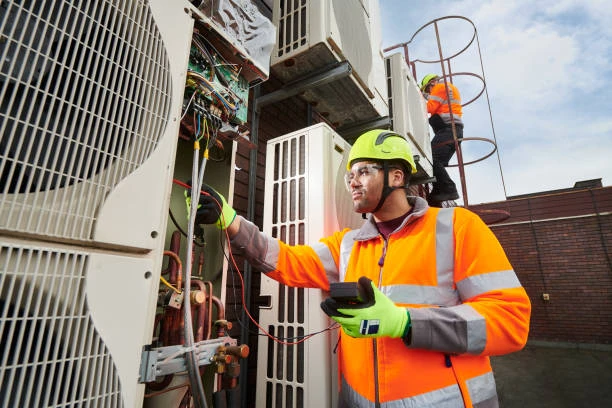
Installing a new HVAC system is one of the most important decisions you can make for your home. A well-designed and properly installed unit can improve comfort, lower energy costs, and ensure reliable performance year-round. Whether you're replacing an old system or installing one for the first time, understanding the process helps you make the right choice for your home and budget.
Below is a complete guide to everything you need to know before scheduling your HVAC installation.
1. Understand Your Home’s Heating & Cooling Needs
Every home is different, and the right HVAC system should match your specific space requirements. Factors that affect system size and performance include:
- Square footage
- Insulation quality
- Number of windows
- Local climate
- Existing ductwork
A professional HVAC technician will perform a load calculation to determine the correct system size. Choosing the right size is crucial—an oversized system wastes energy, while an undersized one struggles to maintain comfort.
2. Know the Types of HVAC Systems Available
Before installing a new unit, explore which type best fits your home:
• Central HVAC Systems
The most common option, ideal for whole-house comfort with ductwork.
• Heat Pumps
Energy-efficient and great for year-round heating and cooling.
• Ductless Mini-Splits
Perfect for homes without ducts or for room-specific temperature control.
• Hybrid Systems
A combination of electric and gas heating for maximum efficiency.
Choosing the right HVAC unit depends on your home energy needs, structure, and lifestyle.
3. Consider Energy Efficiency Ratings
Energy-efficient units reduce monthly bills and help the environment. Key ratings to look for include:
- SEER (Seasonal Energy Efficiency Ratio) – cooling efficiency
- AFUE (Annual Fuel Utilization Efficiency) – heating performance
- HSPF (Heating Seasonal Performance Factor) – heat pump efficiency
Higher ratings usually mean higher upfront cost but significant long-term savings.
4. Evaluate Your Ductwork Condition
If your home already has ductwork, it must be inspected before installation. Problems like leaks, damage, or poor insulation can reduce your new HVAC system’s performance by up to 30%.
A technician may recommend sealing, repairing, or upgrading ducts to ensure maximum efficiency.
5. Plan for Proper Installation
A high-quality HVAC system only works well when installed correctly. Always choose an experienced, certified technician to avoid issues like:
- Poor airflow
- Uneven cooling or heating
- Higher energy bills
- Shortened system lifespan
Professional installation ensures your unit runs at peak performance from day one.
6. Understand Maintenance Requirements
Once your HVAC system is installed, routine care is essential. Regular maintenance includes:
- Changing air filters
- Cleaning coils
- Inspecting ducts
- Checking refrigerant levels
Scheduling annual tune-ups helps prevent breakdowns and prolongs your system's life.
7. Budget for the Investment
HVAC installation costs vary depending on:
- System type
- Size/capacity
- Efficiency level
- Home layout
- Labor requirements
While the upfront investment may feel significant, a quality system increases home value and provides comfort for 10–15 years or more.
Final Thoughts
Installing a new HVAC system is a major home improvement, but with proper planning and professional guidance, you can enjoy enhanced comfort and energy savings for years to come. Take time to understand system options, efficiency ratings, and installation requirements to ensure you make the best choice for your home.