
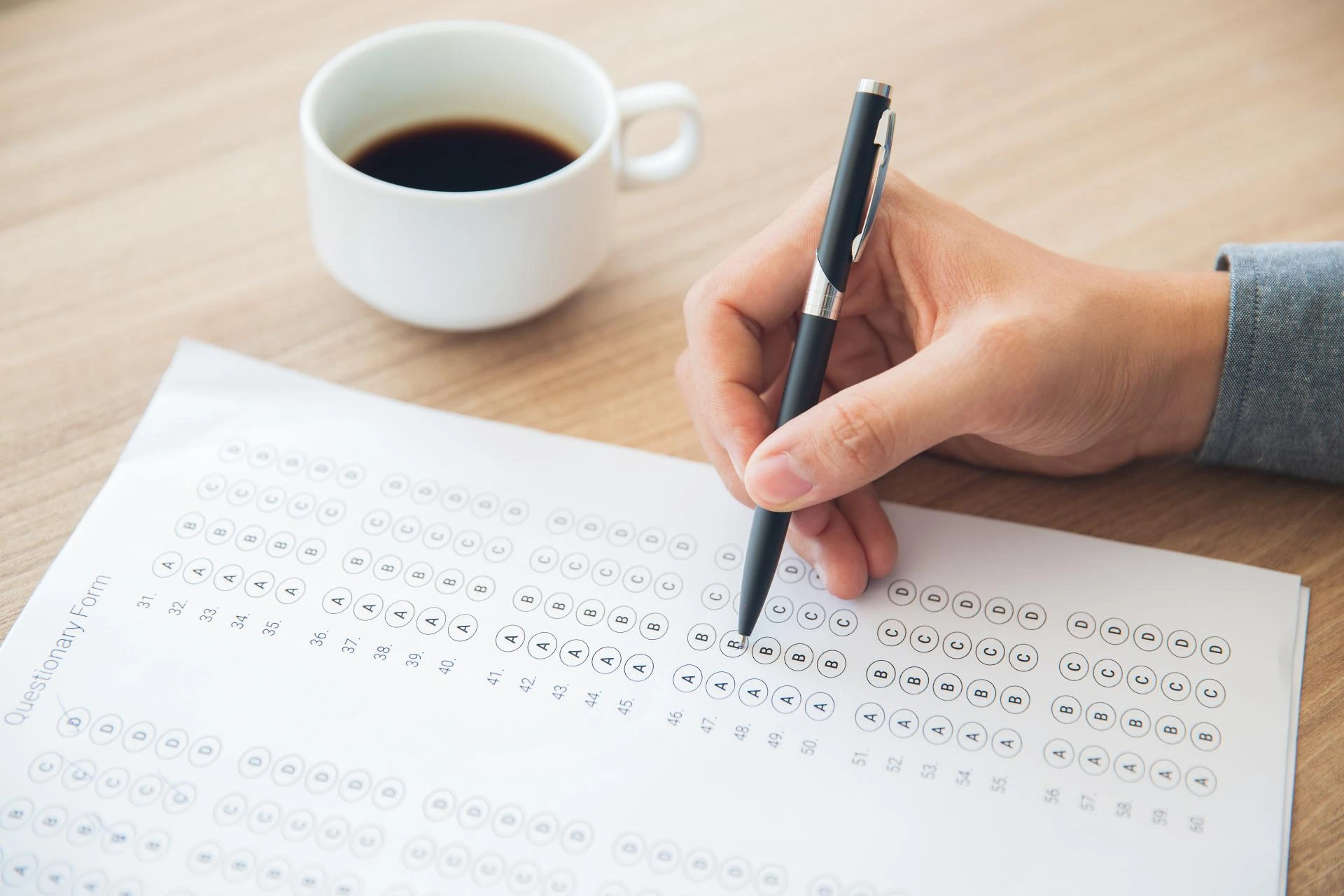
The NSW Selective School Test is a high-stakes exam designed to help Year 6 students gain entry into selective high schools across New South Wales. These schools are known for their academically gifted programs and provide a highly competitive learning environment for students who are ready to be challenged.
Whether you're a parent trying to support your child or a student preparing for the test, this guide will break everything down — from test format and key dates to preparation strategies and what to expect on the day.
1. Key Dates to Remember
Here are some important dates for the 2026 Selective School Test:
- Test dates: May 1–3, 2026
- Applications: Typically open around October and close by mid-November of the previous year
- Results: Usually released in late July or early August
It’s always best to keep an eye on the official NSW Education site or the school placement portal for exact dates.
2. Who Takes the Test / Eligibility
The test is for Year 6 students who wish to enter Year 7 at a selective high school in 2027.
Eligibility:
- Open to all NSW students, including those in public, private, and home schools.
- Students must be Australian citizens or permanent residents (or hold certain visas).
- Selective high schools have limited places — and competition is tough. In 2025, over 15,000 students applied for around 4,200 places.
3. Test Structure
The test is computer-based and divided into four key sections:
1. Reading
- Assesses comprehension, interpretation, and critical thinking skills using fiction and non-fiction texts.
2. Mathematical Reasoning
- Focuses on problem-solving, patterns, and logical reasoning — not just regular school maths.
3. Thinking Skills
- A relatively new section testing problem-solving, logical deduction, and pattern recognition — with no direct school syllabus connection.
4. Writing
- One extended written response (creative or persuasive), judged on clarity, structure, and originality.
Note: Calculators are not allowed, and students must work independently on a computer.
5. Recent / Notable Changes (2026)
The test has evolved in recent years to focus more on thinking and reasoning rather than rote memorisation. Key changes include:
- A stronger focus on critical thinking and unfamiliar problem types.
- Thinking Skills now plays a major role — students must tackle brand-new question styles.
- The test is fully online, which means students should be comfortable with reading and answering on a screen.
These changes aim to make the test fairer and more skills-based, not just about cramming facts.
6. Where to Get Practice / Official Resources
Official Resources:
- The NSW Department of Education offers a few free sample questions on their website, but these are limited.
Mock Exams & Practice Platforms:
- TestRoom offers full-length Selective test mock exams that simulate real test conditions.
- You can find timed practice, section-wise tests, and detailed solutions.
- Some services also offer writing feedback, which is valuable since writing is often overlooked.
Practicing with realistic mock tests helps students build confidence, improve time management, and reduce exam stress.
7. Preparation Tips & Strategies
Start Early
Don’t leave preparation to the last few months. A slow, consistent study plan is more effective than cramming.
Know Your Weak Spots
If a student excels in Maths but struggles with Reading or Writing, focus on building those weaker skills.
Master Time Management
Each section is time-limited. Practice under real test conditions to improve pacing.
Balanced Practice
Don’t just practise your strong subjects. The selective test is holistic — you need to perform well in all areas.
Use Selective Mock Tests
Mock exams are essential for identifying gaps, improving stamina, and getting used to the test interface.
- SelectiveTrial offers realistic NSW Selective Mock Tests with instant scoring, answer reviews, and performance analytics.
- Regular mock testing gives students an edge by simulating the actual exam — the pressure, timing, and structure.
8. Common Mistakes & How to Avoid Them
Misreading Questions
In Reading and Thinking Skills, rushing can lead to simple mistakes. Read every question carefully.
Time Mismanagement
Some students get stuck on one hard question and lose time for others. Learn to move on and come back later.
Ignoring Writing Practice
Many students ignore writing, assuming it’s easy. But markers look for structure, vocabulary, and originality. Practice is key.
9. On Test Day: What to Expect
Here’s how the test day usually works:
- Arrive early and bring required materials (usually just a pencil, eraser, and ID or test slip).
- Devices like calculators or phones are not allowed.
- Listen carefully to instructions before each section.
- Stay calm, pace yourself, and manage nerves with deep breathing.
10. After the Test
Once the test is done:
- Results are released a few months later via the online portal.
- Students are offered placement based on their scores and school preferences.
- If you don’t get your top choice, you may still be offered a place at another school or be waitlisted.
11. Conclusion
The 2026 NSW Selective School Test is a big step — but with the right preparation, strategy, and mindset, it’s absolutely achievable.
Key takeaways:
- Understand the test format and key skills required.
- Start preparing early with a structured plan.
- Take advantage of selective mock exams to boost confidence and accuracy.
- Don’t neglect the writing section — it can be a game changer.
Most importantly, believe in yourself. The test is just one part of the journey — not the destination.
Ready to prepare for the 2026 Selective Test?
Explore TestRoom for mock tests, writing practice, and expert insights designed just for students like you.