Slugs might seem harmless at first glance, gliding silently across garden soil. But their nighttime raids can devastate tender seedlings, leafy greens, and vibrant flowers, leaving behind slimy trails and damaged plants. Gardeners across the U.S. know the frustration of waking up to a garden that looks more like a slug buffet than a thriving oasis. Fortunately, there are effective, eco-friendly solutions to keep these pests in check, and slug traps are among the most reliable. Understanding how to place them properly can make all the difference in protecting your plants.
What Are Slug Traps?
Slug traps are devices designed to attract and capture slugs, preventing them from feasting on your garden crops. They range from simple DIY solutions to specialized commercial products. The goal is to lure slugs away from valuable plants and catch them before they wreak havoc. Traps are most effective when combined with knowledge of slug behavior and proper garden maintenance.
Understanding Slug Behavior:
Knowing your enemy is the first step toward control. Slugs exhibit distinct habits that gardeners can exploit:
●Activity Patterns: Slugs are nocturnal and thrive in cool, damp conditions. Early mornings and rainy nights are prime feeding times.
●Feeding Preferences: They prefer tender, young plants, leafy greens, and juicy vegetables like cucumbers and strawberries.
●Shelter Seeking: During the day, slugs hide under mulch, boards, stones, or any moist, shaded spots.
Recognizing these behaviors allows you to position traps where they are most likely to be effective.
Types of Slug Traps:
Beer Traps
Beer traps are a classic and widely used method. Slugs are attracted to the yeast in beer, which lures them into a container where they drown. To set one up, bury a small container up to its rim in the soil and fill it with beer. Place these traps at the edge of your garden, away from delicate plants, to intercept slugs before they reach the main garden area.
Yeast and Flour Traps
A mixture of flour, yeast, and water can also be highly effective. Combine two cups of water, one cup of flour, and a packet of yeast to form a thick liquid. Place it in a shallow container slightly buried in the soil and cover lightly to protect it from rain. The fermenting mixture attracts slugs, which get trapped inside.
DIY Traps
Gardeners can craft simple, homemade traps using everyday items:
●Milk Cartons: Cut the top off a milk carton, place it in the garden with the opening facing up, and fill it with kitchen scraps. Slugs crawl in and often cannot escape.
●Grapefruit Halves: Hollowed-out grapefruit halves placed in the garden serve as nighttime shelters for slugs. Collect and dispose of the slugs in the morning.
Commercial Traps
For gardeners who prefer ready-made solutions, commercial traps are available:
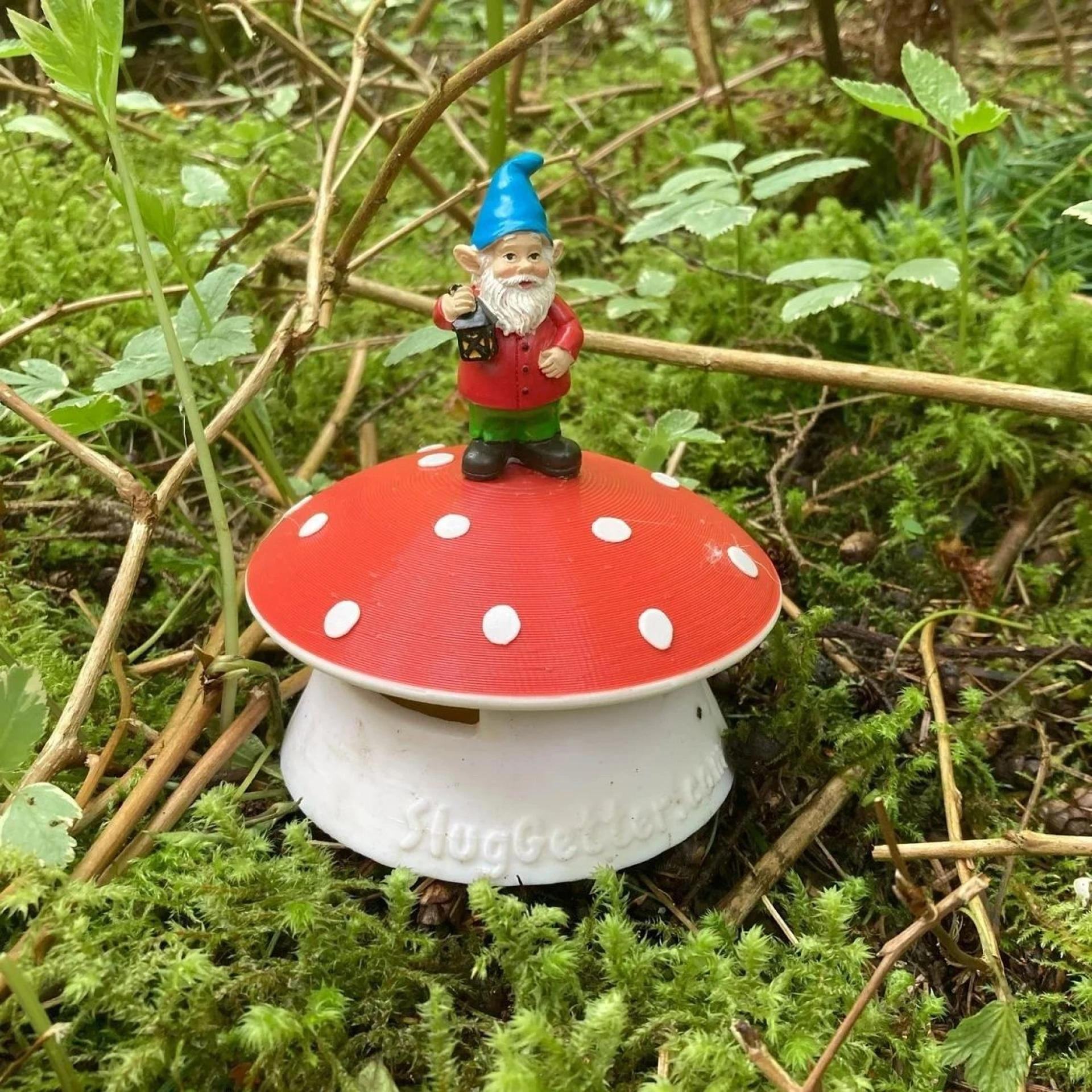
●Plastic or Ceramic Pots: Designed to be buried in the soil with a small entrance hole, these traps can be baited to attract slugs.
●Copper Barriers: Slugs are repelled by copper strips or tape placed around plants, as contact creates a mild electric reaction that discourages them from crossing.
Maintaining and Replacing Slug Traps:
Proper maintenance of slug traps is essential for long-term effectiveness.
●Over time, bait can lose its attractiveness, or traps may become filled with captured slugs, reducing their efficiency. Gardeners should clean traps regularly and replace the bait to ensure continued effectiveness.
● Using fresh bait increases the likelihood of luring slugs away from valuable plants.
●It is also important to inspect traps for damage or blockages that might prevent slugs from entering.
●For gardeners looking to equip their garden with reliable solutions, it is recommended to buy slug traps from reputable suppliers, ensuring quality materials and durability.
Regular maintenance not only improves trap performance but also contributes to a healthier garden ecosystem.
Optimal Placement of Slug Traps:
Where you place your slug traps is as important as the type of trap. Proper placement ensures maximum effectiveness:
● Edge of Garden: Position traps around the garden perimeter to catch slugs before they reach valuable plants.
● Shaded Areas: Place traps in dense bushes, under perennials, or near ground covers where slugs seek shelter.
●Avoid Plant Crowds: Placing traps directly next to plants can unintentionally attract more slugs to the area.
●Regular Monitoring: Check traps daily, especially during peak activity times, and remove captured slugs promptly.
For gardeners searching online, “Slug traps near me” can help locate nearby retailers or garden centers offering traps suited to your local conditions.
Integrating Traps With Other Control Methods:
Slug traps work best when combined with additional strategies for a holistic approach:
●Natural Predators: Encourage wildlife like birds, frogs, and beetles that feed on slugs. A wildlife-friendly garden helps maintain a natural balance.
●Barriers: Materials like diatomaceous earth, crushed eggshells, or copper tape can deter slugs from crossing.
● Watering Practices: Water in the morning to allow soil to dry by evening, reducing the damp conditions slugs prefer.
●Trap Plants: Some plants, like marigolds and hostas, attract slugs, drawing them away from crops you want to protect.
Tips for Maximizing Trap Effectiveness:
● Rotate traps periodically to prevent slugs from learning their locations.
● Combine different trap types for increased coverage and success.
● Maintain traps and replace bait as needed to keep them attractive.
● Observe local slug patterns and adjust placement seasonally.
Where to Buy Slug Traps?
For gardeners ready to take action, knowing where to buy slug traps is essential. Local garden centers and home improvement stores often carry a variety of options, including DIY kits and commercial traps. Online marketplaces also provide a convenient way to compare products, read reviews, and find solutions tailored to your garden’s needs.
Final Thoughts!
Dealing with slugs requires patience, strategy, and persistence. With the right combination of traps, placement, and additional control measures, gardeners can protect their crops and maintain a thriving, healthy garden. Regular monitoring and understanding slug behavior are critical. By implementing these practices, anyone can keep their garden slug-free while minimizing the use of harmful chemicals.
Investing time in learning about slug traps and placement can make the difference between a garden full of life and one plagued by slimy intruders. Whether through DIY solutions or commercial products, success comes from observation, strategic placement, and consistent action.