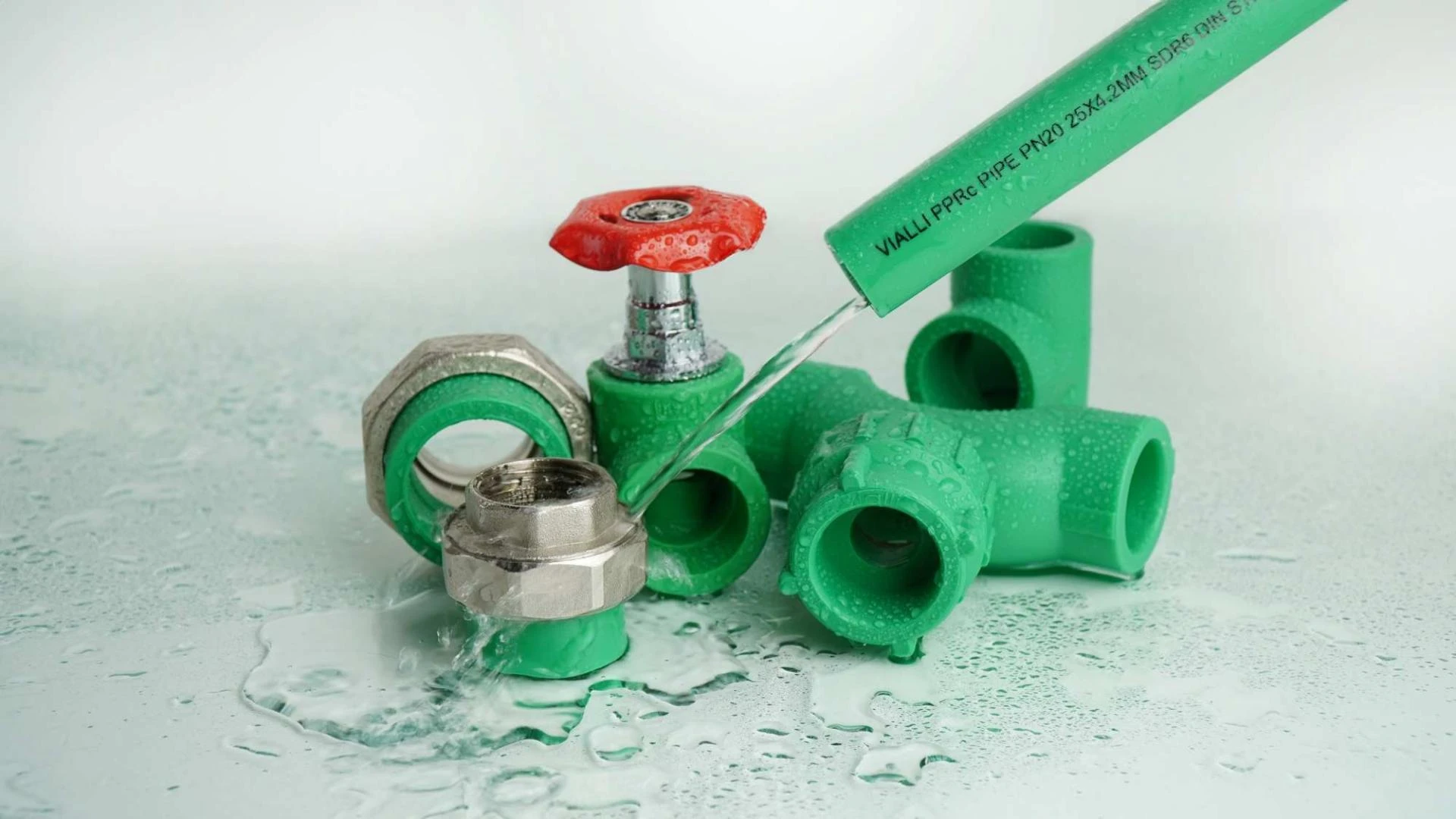
PPR stands for Polypropylene Random Copolymer, and it is the common plastic material used in modern plumbing and piping systems, especially for hot and cold water distribution in residential, commercial, and industrial buildings. The material is strong, chemically stable, and resistant to high pressure and temperature fluctuations without any degradation.
They are produced by extruding polypropylene material into rigid pipes, while the fittings are molded for the connection, branching, or termination of the piping system. Together, pipes and fittings provide a hygienic, long-lasting, and easy-to-install solution. Because of the strict quality expectations and engineering standards, PPR Pipes and Fittings in Germany are usually viewed as reliable, safe, and performing the same in a variety of applications.
Application of PPR Pipes and Fittings
PPR systems have been used mainly in drinking water supply, hot water circulation, heating lines, and industrial fluid transfer. The pipes and fittings are joined by a technique called heat fusion welding, whereby the parts to be joined are heated and fused together. This creates a single, solid joint that minimizes leakage risks while improving the durability of the system. Because of such jointing, PPR systems become an ideal choice in all those projects where long service life with minimum maintenance is required.
Advantages of PPR Products
Long service life
Among the most significant advantages accorded to PPR products is their long life expectancy. Whenever installed properly, the PPR systems could serve for several decades without corrosion, scaling, or material breakdown, thus being reliable for long-term infrastructures.
Corrosion and Chemical Resistance
Unlike metal pipes, it does not rust or corrode. It resists many chemicals found in water and industrial fluids. These characteristics help in retaining water quality and reduce occurrences of repairs or replacements.
High Temperature and Pressure Tolerance
PPR pipes can work efficiently for both hot water and cold water systems. They maintain structural stability even under continued temperature changes; hence, they are suitable for heating systems and hot water supply lines.
Hygienic and Safe for Drinking Water
PPR materials do not react chemically with water or discharge hazardous substances. Its inner surface is smooth, so bacteria or sediment cannot build up, which makes it suitable for human consumption of water.
Lightweight and Easy Installation
PPR pipes are not as heavy as their metal counterparts, which makes transport and handling easier. Heat fusion allows the pipe to be installed fast, and strong joints are possible without any complex tooling or chemicals.
Low Maintenance Requirements
Once installed, PPR systems require very little maintenance. Strong fusion joints reduce leakage risk; the resistance of this material to wear means consistent performance over a long period.
Energy and Cost Efficiency
A smooth internal surface in PPR pipes reduces friction losses, therefore allowing better water flow with lesser energy consumption. Besides, durability and low maintenance needs over the long run will add up to cost savings.
Conclusion
For today's plumbing, PPR has gotten such a good name for its properties of durability, safety, and easy installation that it has fully won over the trust of the installers. Due to its resistance to corrosion, excellent life span, and compatibility with hot and cold water systems, PPR is now a common material in construction applications. The increasing demand for PPR Pipes and Fittings in Germany underlines the fact that quality materials and reliability are what matter most in plumbing solutions today. If you are commencing a new plumbing project or system upgrade, consider PPR products to avail yourself of a reliable and durable solution.