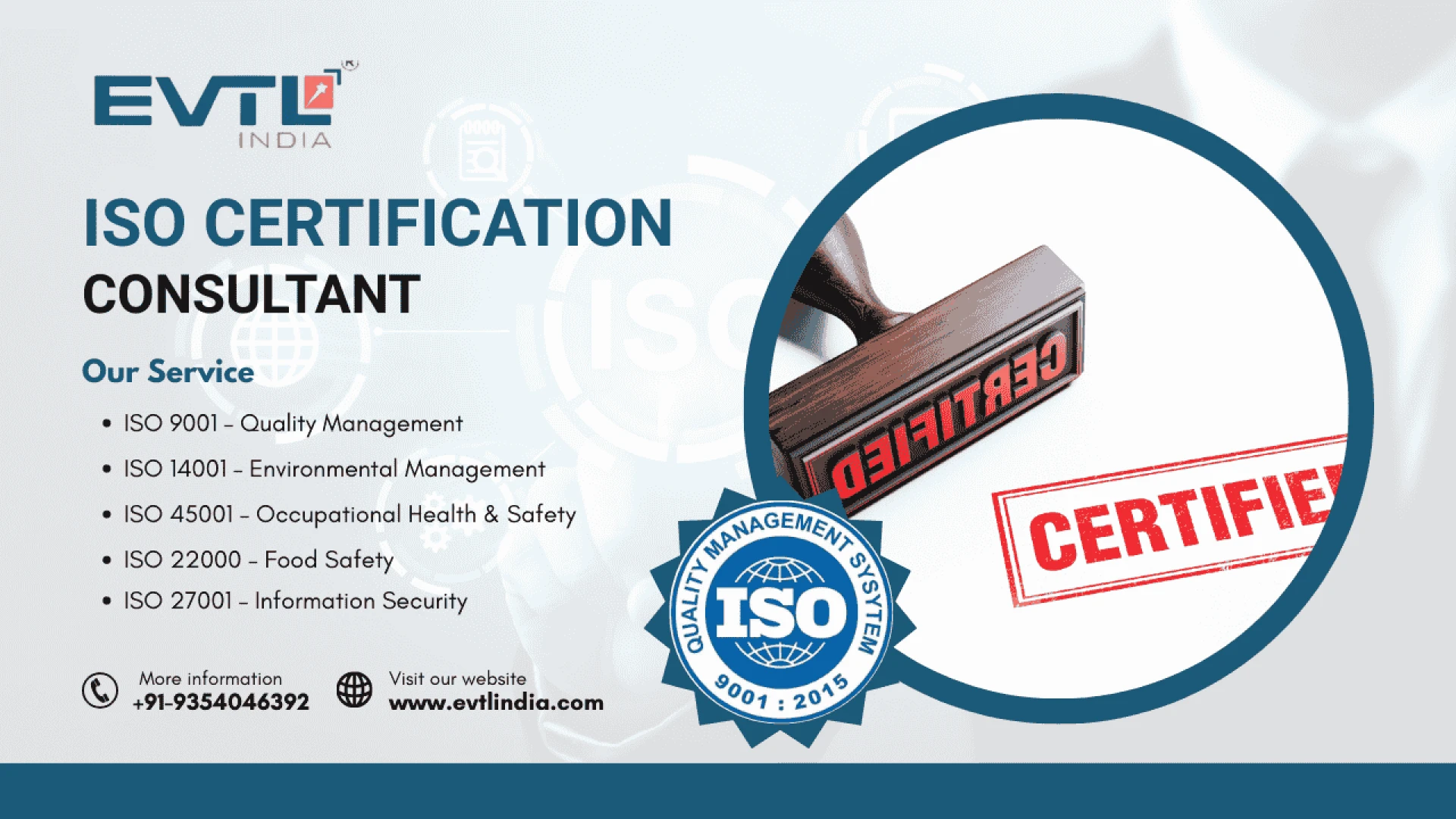
In today’s competitive marketplace, businesses must demonstrate quality, reliability, and efficiency to gain customer trust. One of the most recognized ways to achieve this is through ISO Certification. It serves as proof that an organization follows internationally accepted standards in its processes, products, and services.
What is ISO?
ISO stands for the International Organization for Standardization. It is an independent, non-governmental body that develops global standards to ensure quality, safety, and efficiency across various industries. These standards help businesses operate systematically while meeting customer and regulatory expectations.
ISO Full Form and Meaning
The ISO full form, International Organization for Standardization, reflects its role in creating uniform standards worldwide. Although the abbreviation does not directly match the initials, it is derived from the Greek word “isos,” meaning equal. This symbolizes consistency and uniformity in standards across countries.
Importance of ISO Certification
ISO Certification is more than just a document—it represents a commitment to quality and continuous improvement. Organizations that obtain certification benefit in several ways:
- Improved operational efficiency
- Enhanced customer satisfaction
- Better market credibility
- Compliance with legal and regulatory requirements
- Increased business opportunities
By implementing ISO standards, companies can streamline their processes and reduce errors, leading to better overall performance.
ISO 9001 Standard: The Most Popular Certification
Among all ISO standards, the ISO 9001 Standard is the most widely adopted. It focuses on Quality Management Systems (QMS) and helps organizations ensure that their products and services consistently meet customer requirements.
The ISO 9001 standard is applicable to businesses of all sizes and industries. It emphasizes:
- Customer focus
- Leadership involvement
- Process-based approach
- Continuous improvement
- Evidence-based decision making
Organizations that implement ISO 9001 often experience improved internal processes and stronger customer relationships.
What is ISO Registration?
ISO Registration, also known as iso certificate registration, is the process through which a company gets certified for a specific ISO standard. It involves evaluating the organization’s processes and ensuring they comply with the requirements of the chosen standard.
The registration process typically includes:
- Gap analysis to identify areas of improvement
- Documentation of processes and policies
- Implementation of required standards
- Internal audit and management review
- Certification audit by an external body
Once the organization successfully passes the audit, it receives the ISO certificate.
ISO Standards and Their Scope
ISO standards cover a wide range of industries and functions. Some commonly used standards include:
- ISO 9001 – Quality Management
- ISO 14001 – Environmental Management
- ISO 45001 – Occupational Health and Safety
- ISO 22000 – Food Safety Management
- ISO 27001 – Information Security Management
Each ISO standard is designed to address specific business needs while ensuring efficiency and compliance.
Role of an ISO Certified Consultant
An ISO Certified Consultant plays a crucial role in helping organizations achieve certification smoothly. These professionals have expertise in ISO standards and guide businesses through every step of the process.
Their responsibilities include:
- Understanding business requirements
- Preparing documentation
- Assisting in implementation
- Conducting internal audits
- Coordinating with certification bodies
Hiring an experienced consultant can save time, reduce errors, and improve the chances of successful certification.
Benefits of ISO Certificate Registration
Obtaining ISO certification provides long-term advantages for businesses. Some key benefits include:
- Enhanced brand reputation
- Better customer retention
- Access to global markets
- Improved risk management
- Increased employee efficiency
ISO-certified organizations are often preferred by clients and partners, giving them a competitive edge in the market.
Challenges in ISO Implementation
While ISO certification offers many benefits, the process can be challenging without proper guidance. Common difficulties include:
- Lack of awareness about standards
- Improper documentation
- Resistance to change within the organization
- Time-consuming audits
However, with proper planning and expert support, these challenges can be effectively managed.
Maintaining ISO Certification
Getting certified is not the end of the journey. Organizations must maintain their certification through regular audits and continuous improvement. This involves:
- Monitoring processes
- Updating documentation
- Conducting internal audits
- Ensuring compliance with updated standards
Consistency is key to sustaining the benefits of ISO certification over time.
Conclusion
EVTL India is one of the leading BIS Consultant in India , helping manufacturers obtain their BIS licences hassle-free. ISO Certification is a powerful tool for businesses aiming to improve quality, efficiency, and credibility. From understanding the ISO full form to implementing the ISO 9001 standard, each step contributes to building a strong and reliable organization. ISO registration ensures that a company meets international benchmarks, while ISO standards provide a structured approach to business operations. With the support of an experienced ISO certified consultant, the certification process becomes smoother and more effective.
For organizations looking to achieve compliance and enhance their market presence, professional guidance can make a significant difference. EVTL INDIA offers expert support in navigating the ISO certification process, helping businesses achieve their goals with confidence and efficiency.