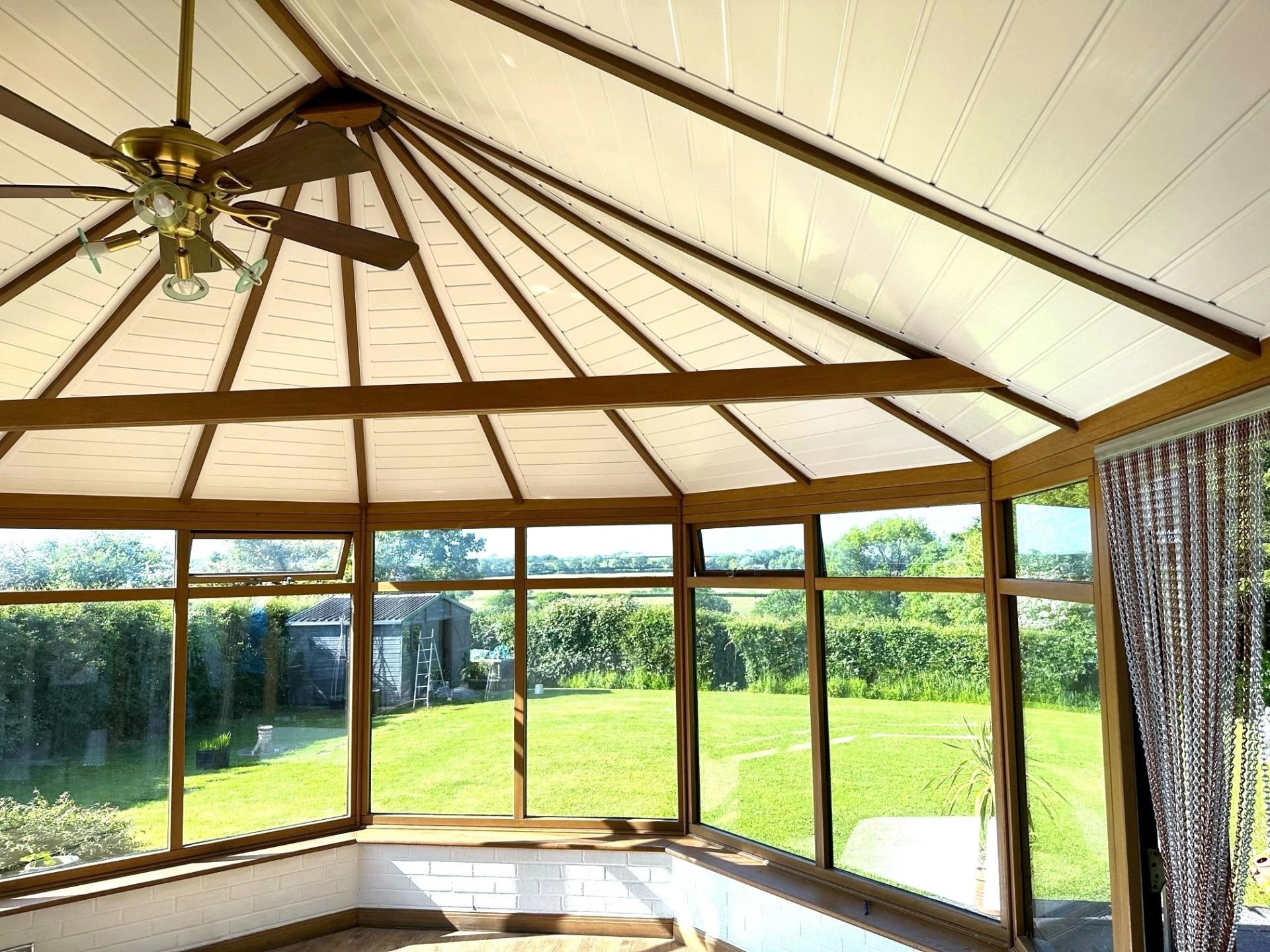
Conservatories are a beloved feature in many homes across the Southwest of England, offering light-filled spaces that connect the indoors to the garden. Yet, a common frustration is their extreme temperatures—sweltering in summer and chilly in winter. An insulated conservatory roof addresses this issue, transforming an underused extension into a comfortable, year-round living space. Beyond comfort, it can reduce energy bills, improve property value, and even lower your carbon footprint. Understanding your options and the benefits of insulation is crucial before investing.
Why Homeowners Consider Insulated Conservatory Roofs
Traditional conservatory roofs, whether glass or polycarbonate, often perform poorly in terms of energy efficiency. They allow significant heat loss in winter and gain unwanted heat in summer. According to the Energy Saving Trust, homes with poorly insulated extensions can lose up to 30% of their heat, which significantly increases energy costs.
For homeowners in the Southwest, where weather can be unpredictable, upgrading to an insulated roof ensures a stable, comfortable environment while also supporting sustainability.
Benefits of an Insulated Conservatory Roof
Improved Thermal Comfort
The primary advantage of an insulated roof is temperature regulation. Modern insulated roofs use multi-layer panels or solid composite materials that reduce heat transfer. This means:
- Warmth is retained in winter, reducing reliance on heating systems.
- The space remains cooler in summer without constant use of fans or air conditioning.
Example: A homeowner in Bath upgraded to a hybrid insulated roof and reported a 20% reduction in winter heating bills, while enjoying a consistent indoor temperature during peak summer heat.
Energy Efficiency and Cost Savings
By minimizing heat loss and gain, insulated roofs directly reduce energy consumption. Solid roofs with foam cores or composite panels often achieve U-values below 1.5 W/m²K, which is comparable to conventional walls, making them highly efficient.
Noise Reduction
Insulated roofs also block external noise, from rain to nearby traffic. This not only increases comfort but can reduce the need for energy-intensive noise reduction measures.
Flexibility and Aesthetic Appeal
Modern insulated roofs are available in a range of designs:
- Solid insulated roofs: Maximize energy efficiency and offer excellent acoustic performance.
- Hybrid roofs: Combine solid insulation with glass panels to maintain natural light.
- Tiled insulated roofs: Blend with the home’s exterior for a seamless look.
Tip: Consider integrating roof lanterns or skylights to maintain light levels in a solid insulated design.
Key Considerations Before Installation
Professional Assessment
A professional installer will evaluate your conservatory’s structure, orientation, and existing roof. This ensures compatibility with the chosen insulation system and avoids common pitfalls such as condensation or poor ventilation.
Ventilation and Daylight
Even the most energy-efficient roof needs proper airflow to prevent condensation. Additionally, balancing insulation with daylight is vital—too little natural light can make a space feel closed-in.
Material Quality and Warranty
High-quality panels and professional installation are critical. Cheaper materials may degrade quickly, compromising both energy efficiency and comfort. Many reputable suppliers in the Southwest offer warranties of 10–20 years on roof panels, giving peace of mind.
Common Mistakes to Avoid
- DIY Installation Risks – Incorrect sealing can cause leaks and reduce insulation performance.
- Ignoring Roof Weight – Some older conservatories may require structural reinforcement for heavier insulated roofs.
- Overlooking Style and Light Needs – Prioritize designs that maintain adequate daylight and match your home’s aesthetics.
Expert Tips for Maximizing Benefits
- Choose a roof that complements your home’s architecture for long-term value.
- Combine the insulated roof with energy-efficient windows and doors for comprehensive savings.
- Regularly inspect seals and panels to maintain optimal performance over time.
Case Study: In Cornwall, several homeowners reported increased property value after installing a solid insulated roof, alongside a notable decrease in seasonal energy bills. This demonstrates both financial and lifestyle benefits.
Conclusion
An insulated conservatory roof is more than an upgrade—it’s a smart investment for comfort, energy efficiency, and long-term savings. Whether you choose solid, hybrid, or tiled designs, the right installation ensures a stable, usable space throughout the year. For homeowners in the Southwest of England, this upgrade not only enhances everyday living but can also add measurable value to your property.
Call to Action: If your conservatory struggles with temperature extremes, consult a trusted local installer today. Choosing the right insulated roof can transform your space into a year-round haven while lowering energy costs and increasing comfort.