Healthy snacking doesn’t have to feel like a rigid set of rules or a constant fight with cravings. When you choose simple, real ingredients and pair them with smart portions, small bites can become steady support for your day, keeping energy smoother, moods steadier, and meals easier to manage. The best part is that this approach is flexible: it works whether you’re rushing between meetings, studying late, or trying to keep your family fueled without relying on overly processed options.
Why small bites make a big difference
Snacks can act like tiny anchors between meals, especially when your schedule stretches longer than expected. A thoughtful bite can prevent the “too hungry” zone where you reach for whatever is closest and most sugary. The goal is not perfection, but consistency, choosing foods that feel satisfying and functional so your body doesn’t swing from low energy to a quick spike and crash.
The simplest way to build a satisfying snack
A reliable formula makes decisions easier: combine fiber, a little protein, and a source of healthy fat whenever you can. That mix tends to keep you full longer and reduces the urge to keep grazing. If you’d like to buy healthy snacks from Kuuraii, think in those building blocks while you browse, because the most dependable options usually include whole-food ingredients and a balanced texture, crunchy, chewy, or creamy, so you feel genuinely satisfied.
Smart ingredient choices that actually matter
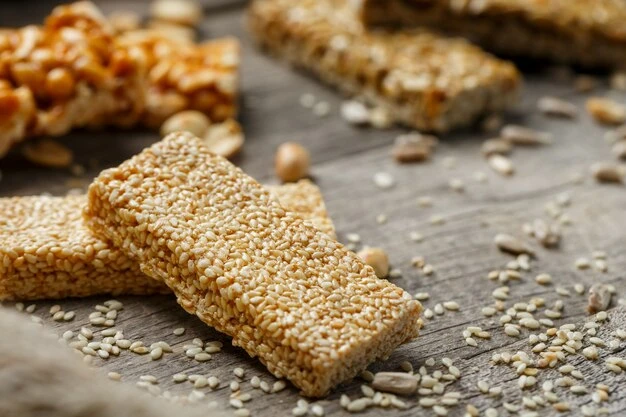
Ingredient lists can be confusing, but you don’t need advanced knowledge to choose well. Look for recognizable foods, such as nuts, seeds, oats, lentils, fruit, yogurt, cocoa, and spices, rather than a long string of additives. It also helps to watch for heavily refined sugars and excessive sodium, which can make snacks feel more like cravings than nourishment. Many practical balanced eating tips start with this simple habit: pick snacks that resemble foods you could find in a regular kitchen.
Naturally sweet options that don’t overdo it
If you love sweetness, you don’t have to give it up. Aim for naturally sweet foods that come with fiber and micronutrients, like fruit paired with something creamy or crunchy. Try apple slices with nut butter, berries with plain yogurt, or dates stuffed with almonds. These choices still feel like a treat, but they tend to deliver steadier energy than candy-like snacks that vanish in two bites.
Savory bites that keep you energized
Savory snacks can be especially helpful when you want something grounding and substantial. Roasted chickpeas, lightly salted nuts, hummus with vegetables, or a small portion of cheese with whole-grain crackers can hit the spot without leaving you searching for more. The trick is portion awareness: serve the amount you plan to eat in a bowl or on a plate so it doesn’t turn into mindless snacking straight from a bag.
Crunch with purpose for stress afternoons
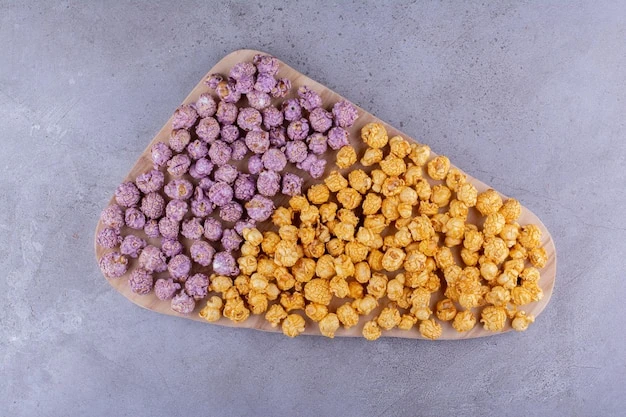
Crunch is comforting, particularly when your brain feels tired, and you want sensory satisfaction. Instead of defaulting to ultra-processed chips, build crunch with better foundations: air-popped popcorn with herbs, roasted edamame, cucumber rounds with seasoning, or a handful of trail mix that isn’t overloaded with candy pieces. Crunchy textures slow down eating, which can help you notice fullness sooner and enjoy the snack instead of inhaling it.
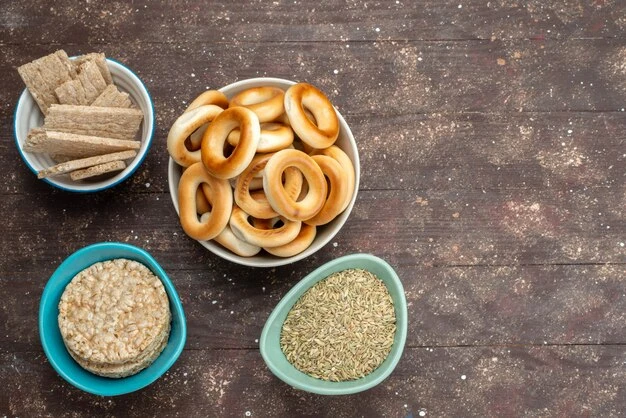
Prep once, snack all week
A little planning can make healthy choices almost automatic. Wash and chop vegetables, portion nuts into small containers, and keep grab-and-go fruit visible. You can also prep snack “kits” with two components like crackers plus hummus, or fruit plus cheese so you don’t have to think when hunger hits. This method supports nutrition and wellness because it reduces last-minute decisions and helps you stay consistent even on chaotic days.
Hydration and timing without obsessing
Sometimes what feels like hunger is actually thirst or fatigue. Before grabbing a snack, take a few sips of water and pause for a minute if you’re still hungry, and eat something. Timing matters too: if your next meal is far away, pick a more substantial snack with protein; if dinner is soon, a lighter bite may be enough. This isn’t about strict schedules, just learning how your body responds so you can choose what fits the moment.
Conclusion
Everyday healthy bites are less about chasing trends and more about creating small routines that feel good and last. When you choose snacks made from real ingredients, pair flavors you genuinely enjoy, and keep portions reasonable, you build a pattern that supports your day rather than interrupting it. Over time, these small decisions add up, helping you feel more steady, more satisfied, and more confident in the way you nourish yourself.
Extra ideas to make it even easier: Keep a “snack shelf” at eye level with a few dependable choices, and rotate flavors so you don’t get bored. Try mixing spice blends into yogurt dips, adding cinnamon to oats, or sprinkling seeds onto fruit bowls for quick variety. If you snack while working, step away from the screen for a minute and eat slowly. This small pause often improves satisfaction and reduces accidental overeating. Finally, treat snacks as supportive mini-meals rather than fillers, and you’ll naturally choose combinations that feel both enjoyable and sustaining.