Your teeth work hard every day. They bite, chew, and help you speak clearly. But some daily habits can damage them without you even realizing it.
Many people think they're taking good care of their teeth by brushing twice daily. Yet they might be doing things throughout the day that hurt their oral health. These habits often seem harmless but can lead to chips, cracks, and costly dental work down the road.
The Hidden Dangers of Ice Chewing
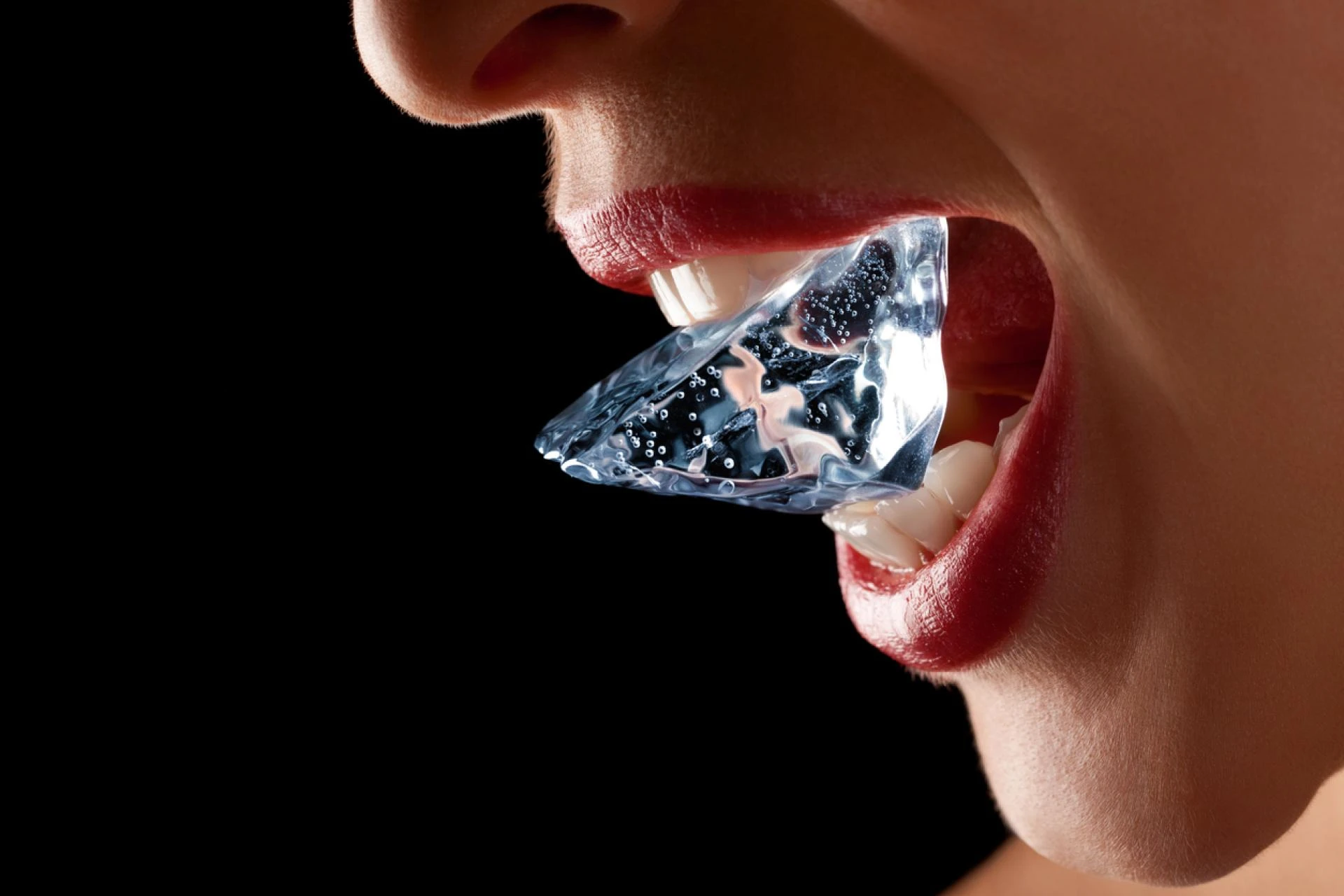
Let's start with something that seems totally innocent - munching on ice cubes. You grab a cold drink on a hot day. The ice feels refreshing. You start crunching away without thinking twice about it.
But here's the thing: chewing ice is actually terrible for your teeth.
When you bite down on ice, you're putting your teeth under serious stress. The extreme cold makes your tooth enamel more brittle. Combined with the hardness of ice, this creates a perfect storm for dental damage.
Your teeth might seem tough, but they're not designed to handle this kind of punishment.
The science behind the damage is pretty straightforward. Tooth enamel is the hardest substance in your body, but it can crack when exposed to sudden temperature changes and excessive force.
Ice chewing creates both conditions at once. Those microscopic cracks can grow bigger over time, leading to visible chips or breaks.
People chew ice for different reasons. Some crave the crunch for sensory satisfaction. Others do it to cool down or stay hydrated. But there's a medical angle too - frequent ice chewing might signal iron deficiency anemia, a condition called pagophagia1.
If you can't stop chewing ice, it's worth talking to your doctor about getting your iron levels checked.
The dental problems from ice chewing add up quickly. You might crack or chip your teeth. Your enamel wears down permanently.
Existing dental work like fillings or crowns can get damaged. Even your gums can get hurt by sharp ice pieces.
For more detailed information about why ice chewing damages your teeth and healthier alternatives, check out this comprehensive guide from Prime Dentistry - Is Chewing Ice Bad for Your Teeth?
Nail Biting: More Than Just a Bad Look
Nail biting seems like a harmless nervous habit. But it's actually doing serious damage to your teeth and jaw. When you bite your nails, you're placing your jaw in an awkward position for extended periods. This puts pressure on your jaw joint and can lead to dysfunction.
The constant force from nail biting can chip your teeth over time. You're also introducing bacteria from under your nails directly into your mouth. This increases your risk of infections and other oral health problems.
Breaking the nail-biting habit takes some effort. Try bitter-tasting nail polish to make the experience unpleasant. Keep your hands busy with stress balls or fidget toys. If stress triggers your nail biting, work on managing that stress through exercise or relaxation techniques.
Using Your Teeth as Tools
Your teeth have one job: eating food. But many people use them like a Swiss Army knife. Opening bottles, tearing packages, holding objects - sound familiar?
Every time you use your teeth as tools, you risk cracking or fracturing them. This habit can also injure your jaw or damage existing dental work like crowns and veneers.
The convenience of using your teeth might save you a few seconds, but the potential dental bills will cost you much more.
Keep proper tools handy instead. A small pair of scissors, bottle opener, or even a keychain tool can prevent expensive dental emergencies. Your teeth will thank you.
The Snacking Trap
Constant snacking creates a feeding frenzy for the bacteria in your mouth. Every time you eat, these bacteria feast on food particles and produce acid. This acid erodes your tooth enamel and creates cavities.
The timing matters as much as what you eat. Frequent snacking means your teeth are under constant acid attack.
Your saliva doesn't get a chance to neutralize the acid and wash away food particles between eating sessions.
Sugary and starchy snacks are the worst offenders. But even healthy snacks can cause problems if you're eating them all day long.
Try eating balanced meals instead of constant grazing. Choose tooth-friendly snacks like cheese, nuts, or raw vegetables when you do need something between meals.
When Stress Meets Your Mouth
Stress shows up in your mouth in surprising ways. Some people grind their teeth at night. Others chew on pens, pencils, or other objects when they're concentrating.
Teeth grinding, also called bruxism, often happens while you sleep. You might not even know you're doing it. But this habit can crack teeth, cause jaw pain, and wear down your ename. If you wake up with headaches or jaw soreness, teeth grinding might be the culprit.
Chewing on foreign objects puts unnecessary pressure on your teeth. Pens, pencils, and other items aren't food. They can crack your teeth or introduce harmful bacteria into your mouth. Keep sugar-free gum handy instead. It gives your mouth something to do without the damage.
Brushing Too Hard Can Backfire
You might think brushing harder means cleaner teeth. Actually, the opposite is true. Aggressive brushing can wear down your tooth enamel and irritate your gums.
Most people brush for only about one minute, but dental professionals recommend two to three minutes. It's better to brush gently for the full time than to scrub hard for a short period. Set a timer to make sure you're brushing long enough.
Use a soft-bristled toothbrush and let it do the work. Your teeth and gums will stay healthier with gentle, thorough cleaning.
The Liquid Damage You Don't See
What you drink can be just as harmful as what you eat. Acidic beverages like soda, sports drinks, and even fruit juices can erode your tooth enamel.
The acids in these drinks dissolve the minerals in your teeth, making them weaker and more prone to decay.
Coffee and tea might give you energy, but they can stain your teeth over time.
The tannins in these beverages build up on tooth enamel, causing discoloration. Adding milk to your tea or using a straw can help minimize contact with your teeth.
Drinking water throughout the day helps rinse away acids and food particles. It's the best beverage choice for your teeth and your overall health.
Conclusion
Your daily habits have a huge impact on your dental health. Small changes can prevent big problems down the road. Being aware of these common harmful habits is the first step toward better oral health.
Remember that your teeth are meant to last a lifetime. Treating them well today prevents pain, embarrassment, and costly treatments later.
Every good choice you make - from putting down that ice cube to picking up proper tools - is an investment in your smile's future.
Start making these changes today. Your teeth work hard for you every day. It's time to return the favor by breaking the habits that harm them and building ones that help them thrive.