
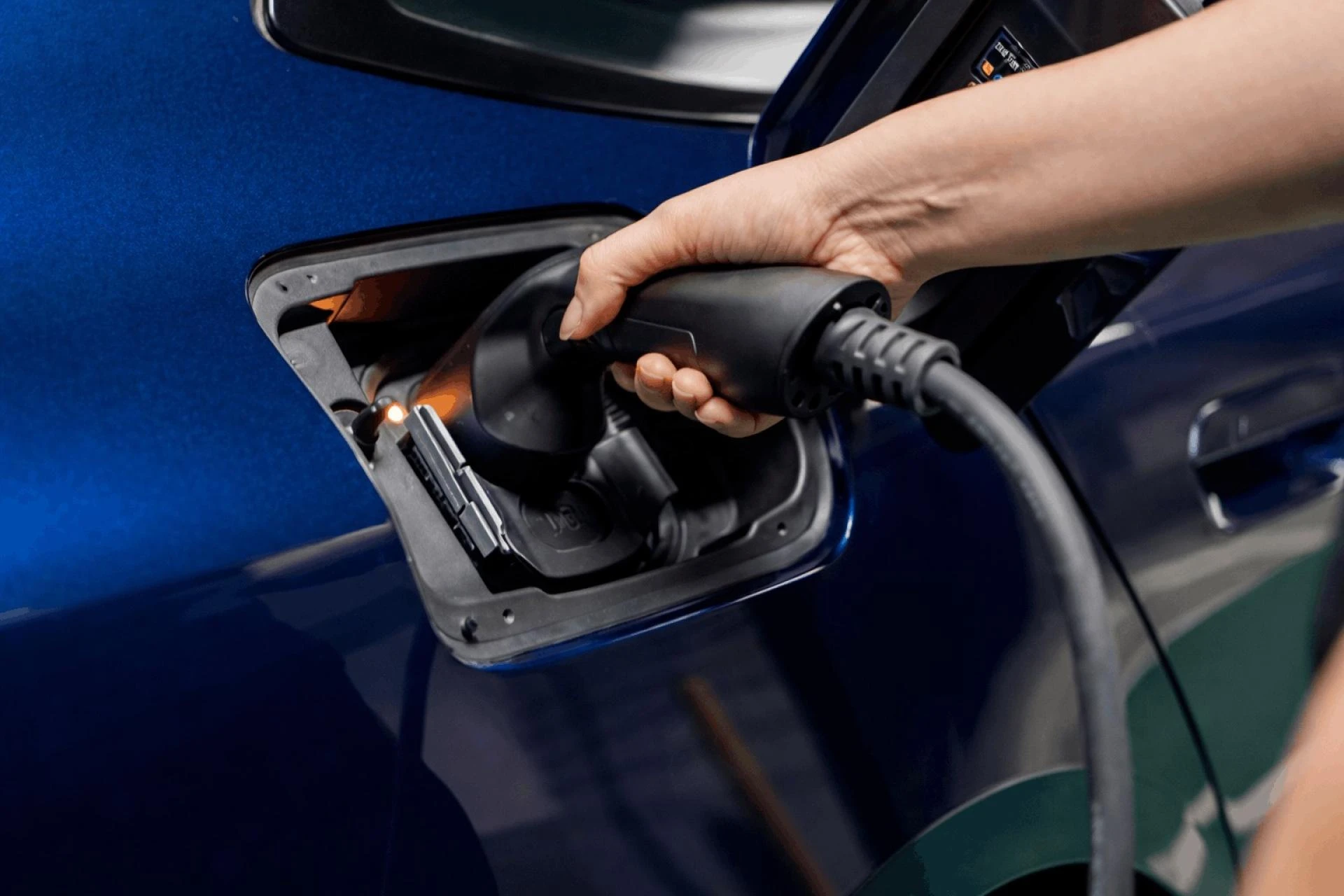
One of the biggest lifestyle changes that comes with switching to an electric vehicle is how you think about refuelling. Instead of making a dedicated trip to a petrol station, you plug in at home and wake up every morning with a full charge ready to go. It's a shift that most EV owners describe as one of the best parts of owning an electric car. EV charging at home removes the reliance on public infrastructure for everyday driving and puts you in complete control of your vehicle's charge level. This guide covers everything New Zealand drivers need to know to set up home charging simply and effectively.
Why Home Charging Changes the EV Experience
The convenience of home charging is difficult to fully appreciate until you've experienced it. Petrol car owners are used to planning refuelling stops around their schedule — factoring in time, location, and the minor but real inconvenience of standing at a pump.
Home charging eliminates all of that. You arrive home, plug in, and forget about it. By the time you need the car again — whether that's the next morning or a few hours later — it's charged and ready.
For the vast majority of New Zealand drivers whose daily driving falls well within the range of a modern EV, this routine becomes so natural that the idea of driving to a station specifically to refuel starts to feel unnecessarily inconvenient by comparison.
Understanding the Two Main Home Charging Options
Not all home charging setups are the same, and understanding the difference between the two main options helps you choose the right setup for your situation.
Level 1 — Standard Household Outlet Plugging into a standard 10-amp household outlet is the simplest way to charge at home and requires no additional installation. The trade-off is speed — a standard outlet adds roughly 10 to 15 kilometres of range per hour of charging.
For drivers who cover short distances daily and have many hours overnight to charge, Level 1 can be adequate. For most New Zealand EV owners, however, the slow charge rate makes it a backup option rather than a primary solution.
Level 2 — Dedicated Home Charger A dedicated EV charging unit installed by a qualified electrician delivers significantly faster charging — typically adding 30 to 50 kilometres of range per hour depending on the vehicle and charger output. Most EVs can be fully charged overnight on a Level 2 home charger with ease.
For the majority of EV owners, a Level 2 home charger is the setup that makes home charging genuinely convenient and eliminates any concern about starting the day with less charge than needed.
What the Installation Process Involves
Installing a home EV charger is a straightforward process when handled by the right people. Here's what's typically involved:
Electrical Assessment A qualified electrician assesses your home's switchboard capacity, the available space for the charger unit, and the most practical cable route between the switchboard and the installation point — typically a garage, carport, or designated parking area.
Switchboard Upgrade if Required Some older New Zealand homes may need a switchboard upgrade to safely accommodate a dedicated EV charging circuit. This is assessed upfront and factored into the installation plan and cost before any work begins.
Charger Installation The unit is mounted, wired, and tested to confirm it's operating correctly and safely. A good installation is neat, secure, and completed in a way that will serve you reliably for the long term.
Handover and Setup Once installed, you're walked through how to operate the charger, including any smart features, scheduling options, or app connectivity the unit offers.
For most standard residential installations, the entire process is completed in a single visit.
Choosing the Right Home Charger
Selecting the right charger for your home and vehicle comes down to a few practical considerations.
Charging Speed Home chargers are rated by their kilowatt output. A 7kW unit is the most common residential choice and will charge most EVs comfortably overnight. Drivers with larger battery vehicles or those who need faster top-ups between uses may benefit from a higher output unit.
Smart Charging Features Modern home chargers include scheduling features that allow you to set charging to run during off-peak electricity hours — the most cost-effective time to charge in New Zealand. Remote monitoring, energy usage tracking, and app control are standard on most quality units.
Cable Length and Connector Type Make sure the charger is compatible with your vehicle's charging port and that the cable length suits your parking setup. Getting this right before purchase avoids inconvenient workarounds after installation.
Build Quality and Warranty A home charger is a long-term purchase. Look for units from established manufacturers with solid warranties and a track record of reliable real-world performance in residential settings.
How Much Does Home Charging Cost to Run
Running an EV on home charging is significantly cheaper per kilometre than fuelling a petrol or diesel vehicle — and the cost advantage is most pronounced when charging overnight during off-peak electricity periods.
EV charging at home during off-peak hours in New Zealand delivers the lowest possible cost per charge. Most EV owners find the addition to their monthly electricity bill is modest while their fuel costs disappear entirely.
The exact saving depends on your vehicle's efficiency, your electricity rate, and how many kilometres you drive. But across the board, New Zealand EV drivers consistently report that home charging delivers substantial cost savings compared to petrol — savings that compound meaningfully over the life of the vehicle.
Safety Practices for Home EV Charging
Home charging is safe when set up and used correctly. A few straightforward habits keep everything running as it should.
- Always use a certified charger from a reputable manufacturer — avoid uncertified or grey-market products
- Have installation carried out by a licensed electrician — DIY installation is not recommended and may void warranties and insurance coverage
- Inspect cables and connections regularly for signs of wear, damage, or heat discolouration
- Avoid using extension leads — always charge directly from the installed unit
- Keep the charging area clear and ventilated particularly in enclosed garages
Following these practices ensures home charging remains safe, reliable, and trouble-free for years.
Sustainability and Home Solar
Home EV charging becomes even more compelling when paired with rooftop solar. New Zealand has strong solar potential across much of the country, and EV owners with solar panels can charge their vehicle using energy generated by their own home — reducing their electricity costs further and maximising the environmental benefit of driving electric.
Even without solar, charging from New Zealand's predominantly renewable electricity grid makes home EV charging one of the lowest-emission transport choices available. As the grid continues to shift toward renewable generation, that environmental advantage only grows over time.
Conclusion
Setting up home charging is one of the first and most impactful decisions an EV owner can make. It transforms the ownership experience, removes the friction of public charging dependency for everyday driving, and delivers real cost savings over the life of the vehicle. If you're ready to set up EV charging at home and want to make sure it's done right from the start, We at EVSE NZ is here to help. We supply and support quality home charging solutions across New Zealand and can guide you through every step of the process. Get in touch today and let's get your home charging setup sorted.