
The next generation of electric vehicles is being designed with one clear objective—deliver more power without increasing battery size. Automakers want longer driving range, faster charging, and improved efficiency, while battery engineers must achieve these goals inside compact battery packs. As energy density continues increasing, managing heat has become one of the most important parts of battery design. This is why choosing the right insulation material is no longer a secondary decision but a core engineering requirement.
Every EV battery pack contains multiple cells working together under demanding operating conditions. During normal use, cooling systems help maintain safe temperatures. However, battery engineers know that unexpected failures such as internal short circuits, manufacturing defects, overcharging, or mechanical damage can create localized heat. If that heat quickly transfers from one cell to another, it may trigger thermal propagation across the battery module.
Preventing this chain reaction requires more than active cooling alone. Passive insulation materials play an equally important role by slowing the movement of heat. By delaying heat transfer, battery management systems gain additional time to detect abnormal conditions, isolate affected areas, and activate safety measures before surrounding cells are exposed to excessive temperatures.
As battery modules become smaller, engineers face a difficult balance between safety and performance. Every additional layer inside the battery pack occupies valuable space that could otherwise be used for active battery cells. Heavy insulation materials also increase total battery weight, which directly affects vehicle efficiency and driving range. Modern EV platforms therefore require insulation that delivers excellent thermal performance while remaining extremely thin and lightweight.
Installation efficiency is another growing concern. Battery production lines operate at high volumes, where even small delays can affect manufacturing output. Engineers increasingly prefer insulation materials that can be installed quickly and consistently. Products with adhesive backing simplify positioning, reduce assembly time, and improve repeatability during automated manufacturing, making them suitable for modern EV production facilities.
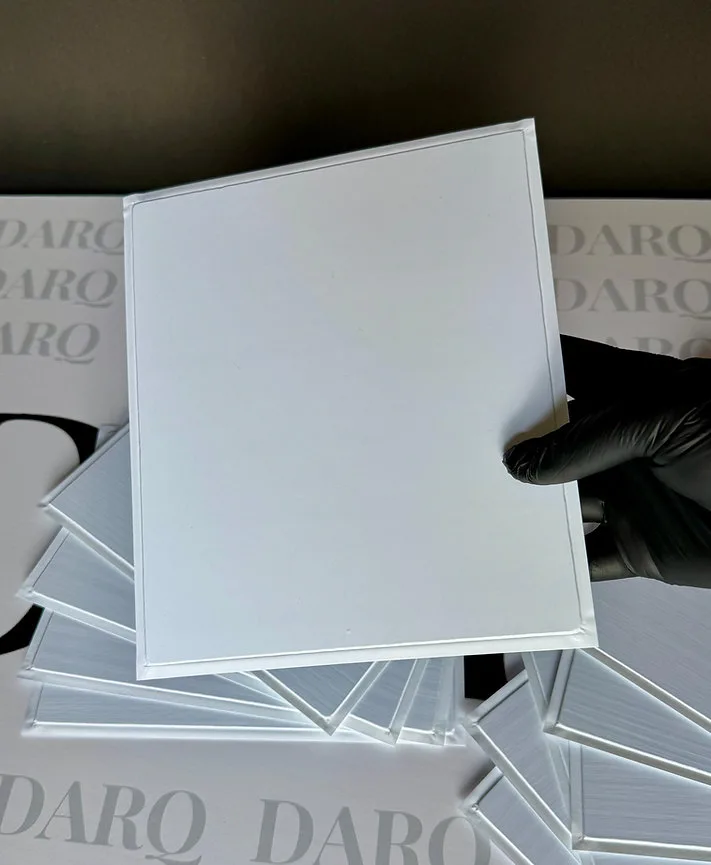
An advanced EV battery thermal insulation pad helps solve many of these engineering challenges. Instead of simply acting as an insulating layer, it becomes part of the overall battery safety architecture by slowing heat transfer between neighboring cells. This additional protection supports safer battery modules without significantly affecting battery size or energy density.
Darq Industries develops advanced thermal insulation solutions that are specifically designed for these evolving battery requirements. Their ultra-thin insulation products support lightweight battery integration while offering temperature resistance up to 1000°C. Engineers can select single-side or double-side adhesive options depending on battery module configuration, allowing easier installation while maintaining dependable thermal performance.
The EV industry is also preparing for stricter safety expectations around the world. Regulatory bodies and automotive manufacturers increasingly focus on reducing thermal propagation risks through improved battery architecture. Choosing advanced insulation materials early in battery development helps manufacturers prepare for future safety standards while avoiding costly redesigns later in the product lifecycle.
Reliable thermal insulation also contributes to long-term battery durability. Battery packs experience thousands of charging cycles, continuous vibration, changing weather conditions, and demanding operating environments throughout their service life. Stable thermal management helps reduce stress inside battery modules, supporting more consistent battery performance over time.
Battery safety is no longer determined by a single component. Modern EV platforms rely on cooling systems, structural protection, intelligent battery management software, and high-performance insulation working together as an integrated safety system. Each layer adds protection, making the overall battery architecture more resilient.
Selecting the right battery pack insulation material during the design stage gives engineers greater flexibility when balancing safety, energy density, manufacturing efficiency, and long-term reliability. It supports compact battery designs without compromising thermal protection, helping manufacturers develop vehicles that meet growing customer expectations.
As electric mobility continues expanding worldwide, battery safety will remain one of the industry's highest priorities. Darq Industries continues supporting EV manufacturers, battery engineers, and OEM teams with practical insulation technologies that combine lightweight construction, engineering-friendly installation, high-temperature resistance, and dependable performance. Investing in advanced thermal insulation today helps create safer battery systems that are ready for the future of electric transportation.