
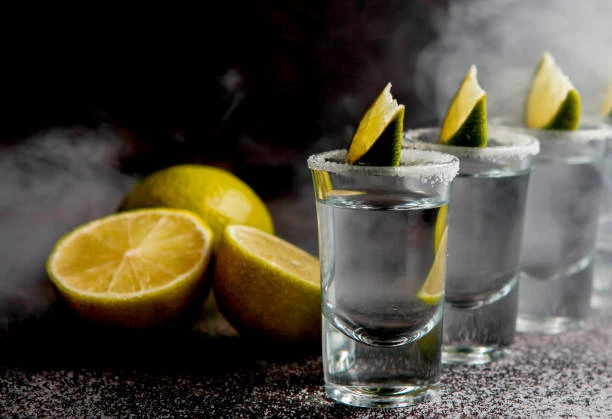
Tequila, the iconic spirit of Mexico, is experiencing a remarkable renaissance across Europe. Once perhaps misunderstood or relegated to the shot glass, it is now being celebrated as a sophisticated and versatile spirit, sipped neat and featured in premium cocktails. According to a recent report by IMARC Group, the Europe tequila market is on a high-growth trajectory. Valued at USD 5.1 Billion in 2025, the market is projected to nearly double, reaching USD 11.8 Billion by 2034, expanding at a robust compound annual growth rate (CAGR) of 9.82% from 2026 to 2034. This surge is fueled by changing consumer tastes, a powerful shift towards premium and super-premium expressions, and the spirit's growing integration into European cocktail culture.
Key Takeaways:
- The Europe tequila market size was valued at USD 5.1 Billion in 2025 and is forecast to reach USD 11.8 Billion by 2034.
- The market is expected to grow at a stellar CAGR of 9.82% during the 2026-2034 period.
- By product type, the market includes Blanco, Reposado, Añejo, Extra Añejo, Joven, and Mixto Gold, each offering unique flavor profiles.
- By purity, the market is segmented into 100% agave tequila and 60% tequila (mixtos) .
- By price range, a key trend is the growing demand for premium, super-premium, and ultra-premium tequilas.
- By distribution channel, the market serves both off-trade (retail) and on-trade (bars, restaurants) sectors.
- A key growth driver is the changing taste preferences of consumers, particularly among younger demographics, who see tequila as a fashionable and quality choice.
- While specific MoUs aren't listed, the market is driven by aggressive marketing campaigns by major tequila brands, highlighting exclusivity and authenticity.
- A key challenge is ensuring consistent quality and authenticity to maintain consumer trust in a rapidly growing market.
- Major business opportunities lie in the premiumization trend (aged expressions like Añejo and Extra Añejo) and expanding the cocktail culture where tequila is a key ingredient.
What is Europe Tequila Market?
In the European context, tequila refers to the distilled alcoholic beverage made primarily from the blue agave plant, originating from Mexico and protected by its Denomination of Origin. The Europe tequila market encompasses the entire ecosystem of importing, marketing, distributing, and selling this spirit across the continent. It is a market defined by a rich variety of product types, from the unaged, crisp Blanco to the oak-aged complexities of Reposado, Añejo, and Extra Añejo, as well as Joven (young, often blended) and Mixto Gold. A critical distinction for consumers is purity, with 100% agave tequila representing the highest quality, made entirely from blue agave sugars, versus 60% tequila (mixtos), which can include other sugars. The market is increasingly driven by premiumization, with strong growth in the premium, super-premium, and ultra-premium price segments. Tequila reaches consumers through two main distribution channels: the off-trade (supermarkets, liquor stores, online platforms) for at-home consumption, and the on-trade (bars, restaurants, nightclubs) where it is a star in cocktails like the Margarita and Paloma, solidifying its place in European social culture.
Growth Drivers of the Europe Tequila Market
The European tequila market is being propelled forward by a powerful combination of shifting consumer preferences, a trend towards premiumization, and cultural integration.
Changing Taste Preferences and the Appeal of Premiumization
A primary driver for the market is the significant shift in consumer tastes, particularly among younger demographics, who are increasingly seeking authentic, high-quality, and diverse flavor experiences. Tequila is no longer viewed solely as a party shot but as a sophisticated spirit worthy of exploration. This has fueled an immense demand for premium and super-premium tequila products. Consumers are willing to pay higher prices for quality, authenticity, and unique flavor profiles, a trend mirrored in other spirits categories like whisky and gin. This premiumization is evident in the growing popularity of aged expressions like Reposado, Añejo, and Extra Añejo, which derive complex notes of vanilla, caramel, and spice from oak aging. This shift allows brands to command higher prices and build deeper connections with discerning consumers who appreciate the craftsmanship and heritage behind each bottle.
Cultural Exchange and Cocktail Culture
The increasing assimilation of Western cultural aspects, including a vibrant cocktail culture, is playing a pivotal role in tequila's rise across Europe. Tequila is a foundational ingredient in globally beloved cocktails such as the Margarita, Paloma, and Tequila Sunrise, which are staples in bars and restaurants from London to Berlin. This on-trade presence introduces the spirit to a wide audience in an approachable and enjoyable format. Furthermore, the increase in tourism and cultural exchange with Mexico, the home of tequila, is exposing European travelers to the rich heritage and traditional methods of tequila production. This first-hand experience fuels curiosity and a demand for authentic products back home, driving imports and consumer interest. Aggressive marketing campaigns by major tequila brands, highlighting exclusivity, authenticity, and lifestyle, resonate strongly with this culturally curious and experience-driven European market.
Threats Facing the Europe Tequila Market
Despite the positive drivers, the market must navigate challenges related to authenticity, supply, and regulation.
Ensuring Authenticity and Quality in a Growing Market
The rapid growth in popularity of tequila brings with it the significant challenge of maintaining product authenticity and consistent quality. As demand surges, there is a risk of market dilution with lower-quality products or, in worst-case scenarios, counterfeit spirits. Consumer trust, painstakingly built by premium brands, can be easily eroded by a poor experience with an inferior product. The solution lies in a multi-faceted approach. First, robust regulatory frameworks, like those already in place in Europe that support fair trade and quality assurance for products with a Denomination of Origin, are critical. These regulations provide a level of trust among consumers and distributors. Second, industry stakeholders, including producers and importers, must invest in consumer education. This involves clearly communicating the difference between 100% agave tequila and mixtos, and educating on the flavor profiles of different age statements. Transparency in sourcing and production methods builds brand loyalty and helps consumers make informed choices, protecting the integrity of the category as a whole.
Download a sample copy of the report
Opportunities in the Europe Tequila Market
The current trends point to several high-potential areas for innovation and strategic growth.
Capitalizing on the Premium and Ultra-Premium Segments
The most significant opportunity in the European market lies in the continued expansion of the premium and ultra-premium segments. As consumers become more knowledgeable, their palates seek greater complexity. This drives demand for aged tequilas Reposado, Añejo, and Extra Añejo, which offer a sipping experience comparable to fine whiskies or cognacs. Brands can innovate within this space by experimenting with different cask finishes (e.g., wine, cognac, or whiskey casks), limited-edition releases, and single-estate expressions that tell a story of origin and craftsmanship. Marketing these products as luxury goods, suitable for home bars and gifting, aligns perfectly with the willingness of European consumers to spend on high-quality, authentic experiences. This premiumization strategy not only boosts revenue but also elevates the entire category's image.
Strengthening the On-Trade and Cocktail Culture
The on-trade channel (bars, restaurants, and clubs) is the primary arena for brand building and consumer trial. There is a vast opportunity to deepen tequila's roots in European cocktail culture. This can be achieved by training bartenders as brand ambassadors, creating signature cocktail programs that showcase tequila's versatility, and hosting tasting events and masterclasses for consumers. Moving beyond the classic Margarita, there is potential to introduce European consumers to traditional Mexican cocktails like the Paloma (with grapefruit soda) or Batanga (with cola), as well as innovative craft cocktails that pair tequila with local European ingredients. By making tequila a go-to choice for discerning bartenders and cocktail enthusiasts, brands can secure a loyal following and drive sustained growth in this influential channel.
Europe Tequila Market Segmentation
According to the analysis by IMARC Group, the Europe tequila market is segmented based on product type, purity, price range, distribution channel, and country, providing a detailed view of its structure.
Analysis by Product Type:
- Blanco (or Silver): Clear, unaged tequila, bottled shortly after distillation. It offers pure agave flavors and is often used in cocktails or for those who appreciate the spirit's unadulterated character.
- Joven (or Gold): A young tequila that is typically a blend of Blanco and aged tequilas, or sometimes mixto with added colorings and flavorings.
- Mixto Gold: Tequila made with at least 51% agave sugars, with the remaining sugars coming from other sources. It is often unaged or lightly aged and may have additives.
- Reposado ("Rested"): Aged in oak barrels for between two months and one year. This aging imparts a smoother character with hints of vanilla and caramel, making it very versatile.
- Anejo ("Aged"): Aged in oak barrels for one to three years. It develops a richer, more complex flavor profile with pronounced wood notes.
- Extra Anejo ("Extra Aged"): Aged in oak barrels for a minimum of three years. This category produces deep, complex, and often luxurious spirits meant for sipping.
Analysis by Purity:
- 100% Tequila: Made exclusively from the sugars of the blue agave plant. This is the highest quality category, representing the purest expression of tequila.
- 60% Tequila (Mixtos): Tequila that must be made with at least 51% agave sugars, with the remainder coming from other sugars (like cane sugar). This category is often used for mixing.
Analysis by Price Range:
- Value Tequila: Positioned at an accessible price point, typically mixtos or basic blancos, popular for large-volume cocktails and shots.
- Premium Tequila: Higher quality, often 100% agave, appealing to consumers seeking a better taste experience for sipping or premium cocktails.
- Premium and Super-Premium Tequila: A category representing top-shelf spirits, including well-aged Reposados, Añejos, and limited editions.
- Ultra-Premium Tequila: The highest echelon, including Extra Añejo and rare, collectible releases, commanding the highest prices and marketed as luxury goods.
Analysis by Distribution Channel:
- Off-Trade: Sales through retailers for consumption off the premises. This includes supermarkets, hypermarkets, specialized liquor stores, and online platforms.
- On-Trade: Sales through bars, pubs, restaurants, hotels, and nightclubs for immediate consumption on-site. This channel is crucial for brand building and introducing consumers to new products.
Analysis by Country:
- Germany
- France
- United Kingdom
- Italy
- Spain
- Others
Leading Players in the Europe Tequila Market
The competitive landscape of the Europe tequila market features a mix of major international spirits conglomerates and specialized, often family-owned, Mexican producers. Based on the information provided by IMARC Group, the top companies leading the market typically include:
- Pernod Ricard
- Diageo plc
- Bacardi Limited
- Brown-Forman Corporation
- Campari Group
- Jose Cuervo (Proximo Spirits)
- Patrón Spirits International (acquired by Bacardi)