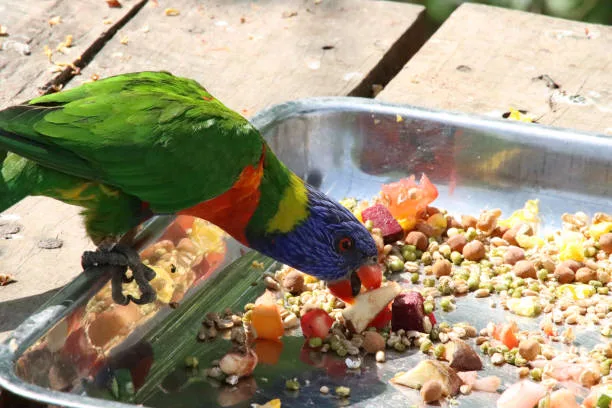
Compound feed is an important part of Europe’s livestock value chain, combining grains, protein sources, minerals, vitamins, additives, and other ingredients into nutritionally balanced formulations for farm animals. Feed manufacturers increasingly need to balance animal performance, ingredient availability, production economics, safety requirements, and resource efficiency.
According to the supplied Vyansa Intelligence analysis, the Europe compound feed sector was valued at USD 105 billion in 2025 and is projected to reach USD 130 billion by 2032, representing a CAGR of 3.1% from 2026 to 2032.
Livestock Production Creates a Broad Demand Base
Compound feed demand is closely connected with Europe's livestock production. Poultry, swine, cattle, aquaculture, and other animal-production systems have different nutritional requirements, creating demand for specialized formulations.
Feed can be adjusted according to animal species, age, production stage, health status, and production objectives. This makes formulation precision important for producers seeking appropriate nutrient delivery without unnecessary ingredient use.
The diversity of European livestock production also means that compound feed manufacturers serve multiple downstream applications rather than relying on one animal category.
Balanced Nutrition Supports Animal Performance
Compound feed is designed to provide animals with nutrients in proportions appropriate to their requirements. Energy, protein, amino acids, minerals, vitamins, and other components can be combined to support growth, reproduction, maintenance, and production.
Formulation becomes particularly important when feed costs are significant for livestock producers. Optimizing the nutritional composition can help align feed inputs with animal requirements while maintaining the intended production objectives.
Poultry Feed Requires Precise Formulation
Poultry is an important application for compound feed, with different nutritional requirements across broilers, laying hens, and breeding birds.
Broiler diets may emphasize efficient growth, while layer formulations need to support egg production and shell quality. Feed manufacturers can adjust protein, energy, amino acids, minerals, and other nutritional components according to these requirements.
Such application-specific formulations demonstrate why compound feed production depends heavily on nutritional science and consistent ingredient quality.
Swine Nutrition Remains Diverse
Swine diets also change throughout the production cycle. Young pigs, growing animals, finishing pigs, and breeding animals have different nutritional needs.
Compound feed can help deliver the appropriate balance of nutrients at each stage. Ingredient selection and formulation can also influence feed efficiency, animal growth, and overall production economics.
As livestock producers manage input costs and seek consistent animal performance, precise feed formulation remains an important consideration.
Cattle Feed Supports Dairy and Beef Production
Cattle feeding systems can combine forage with concentrated compound feed. Dairy cattle, in particular, may require carefully balanced diets to support milk production while maintaining appropriate health and reproductive performance.
Beef cattle have different requirements associated with growth and finishing. Compound feed can provide concentrated energy, protein, minerals, and other nutrients alongside forage-based diets.
The role of feed therefore varies according to the production system and nutritional objectives.
Ingredient Costs Influence Formulation Strategies
Raw materials represent a major consideration for feed manufacturers. Cereals, oilseed meals, minerals, and other ingredients can experience changes in availability and cost.
Manufacturers may therefore need to optimize formulations while maintaining nutritional specifications. Procurement, storage, quality control, and formulation software can all contribute to managing this challenge.
The ability to respond to changes in ingredient availability without compromising feed quality can be particularly important in a diverse and interconnected regional supply chain.
Alternative Protein Sources Are Gaining Attention
Protein ingredients are important components of many compound feeds, and European producers continue to examine ways to diversify protein sourcing.
Potential sources include oilseed meals, pulses, processed animal-derived ingredients where permitted, insects, algae, and other alternatives. Their suitability depends on animal species, nutritional characteristics, regulatory requirements, availability, and cost.
The European Commission has also addressed the use of insects as feed materials, including specific regulatory provisions governing their application in animal nutrition.
Feed Safety Is Central to the Supply Chain
Feed safety is directly connected to animal health and, for food-producing animals, the safety of products entering the human food chain.
The European Commission states that EU feed legislation covers feed materials, compound feed, additives, and premixtures, with requirements addressing safety, marketing, hygiene, traceability, and official controls.
This regulatory framework creates a strong emphasis on quality assurance throughout feed production, storage, transportation, and use.
Contaminant Control Remains Important
Feed ingredients can potentially contain undesirable substances, including certain contaminants and mycotoxins. Managing these risks requires testing, appropriate sourcing, storage controls, and regulatory compliance.
EU legislation establishes limits for substances including certain heavy metals, dioxins, and mycotoxins in feed and feed materials.
For manufacturers, contaminant control is therefore not simply a quality preference but an important part of maintaining compliant and safe feed production.
Traceability Supports Supply Chain Management
Traceability allows feed businesses and authorities to identify where ingredients originated and where finished products were distributed.
The European Commission identifies traceability as an important element of food and feed safety because it can support targeted withdrawals and recalls when safety problems occur.
For compound-feed manufacturers handling numerous ingredients, robust documentation and batch management can therefore help maintain control across complex supply chains.
Feed Additives Provide Specialized Functions
Feed additives can be used for specific nutritional or technological purposes, subject to European authorization requirements.
The European Commission classifies authorized additives into categories including nutritional, technological, sensory, and zootechnical additives. Only additives that have undergone the relevant authorization procedure can be placed on the EU market and used under specified conditions.
This regulatory structure supports the development of specialized feed formulations while establishing requirements for safety and use.
Feed Hygiene Supports Consistent Production
Hygiene is another important aspect of compound-feed manufacturing. Feed facilities need processes that minimize contamination risks during production, storage, and transportation.
EU feed-hygiene requirements include registration or approval of feed businesses, good hygiene practices, and HACCP principles for relevant operators.
These measures make production controls an integral part of compound-feed manufacturing rather than a separate quality-management activity.
Precision Nutrition Can Improve Resource Efficiency
Efficient nutrient utilization is increasingly important as livestock producers consider both production costs and environmental impacts.
Providing animals with nutrients closer to their actual requirements can help reduce unnecessary nutrient inputs. Better formulation can also contribute to more efficient feed conversion, although outcomes vary according to animal species, genetics, management, and production conditions.
Digital formulation tools and improved nutritional data can support these efforts.
Sustainability Is Influencing Ingredient Choices
Environmental considerations are increasingly relevant to European agriculture and livestock production.
Feed sourcing can involve questions around land use, transportation, resource consumption, emissions, and the environmental characteristics of individual ingredients. These considerations can encourage manufacturers and livestock producers to examine alternative sourcing strategies.
Sustainability does not replace nutritional or economic requirements, but it increasingly forms part of broader feed-procurement and production decisions.
Digitalization Is Changing Feed Management
Digital technologies can support feed formulation, production monitoring, inventory management, and farm-level feeding decisions.
Data-driven systems can help manufacturers evaluate ingredient characteristics and optimize formulations. On farms, automated feeding equipment and monitoring systems can provide information that supports more precise feed management.
The increasing availability of production data can therefore strengthen coordination between feed manufacturers and livestock producers.
Circularity Creates Additional Opportunities
The use of suitable agricultural and food-processing by-products can support more efficient resource utilization when safety, nutritional value, and regulatory requirements are satisfied.
The European Commission provides guidance concerning the feed use of certain food no longer intended for human consumption, reflecting the potential role of approved materials within a more resource-efficient feed chain.
Such approaches can reduce material waste while creating additional sources of feed ingredients.
Outlook Through 2032
The projected expansion reflects the continuing importance of compound feed within European livestock production, alongside demand for efficient nutrition, consistent ingredient quality, feed safety, and specialized formulations.
Regulation will remain a defining feature of the sector. European requirements cover feed marketing, hygiene, additives, contaminants, traceability, and official controls, creating a structured environment for manufacturers and suppliers.
Future development is also likely to involve greater attention to precision nutrition, alternative ingredients, resource efficiency, digital production systems, and responsible sourcing. These trends can influence how manufacturers formulate and produce feed while responding to changing livestock-production requirements.
Overall, Europe's compound-feed sector is evolving around a combination of nutritional precision, safety, supply-chain resilience, efficiency, and sustainability. The ability to maintain consistent feed quality while adapting to ingredient, regulatory, and livestock-production requirements will remain important as the sector develops through 2032.