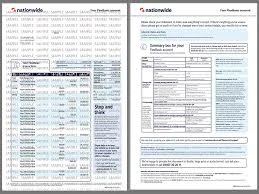
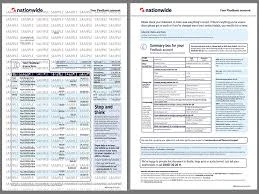
In academic and professional training environments, using realistic financial documents is essential for developing skills in finance, data science, and software testing. Since using real personal data is both unethical and often illegal, many educators and developers turn to Fake Bank Statements, Fake Credit Reports, and Fake Tax Returns for simulation purposes.
However, it's crucial to follow ethical standards when using such documents. This guide outlines best practices to safely apply Fake Bank Statements and Fake Credit Report data for educational use.
Use Fake Documents for Learning Only
The purpose of using Fake Bank Statement or Fake Credit Report data should be limited strictly to training and educational projects. These documents are useful for simulating financial applications, running fraud detection tests, or teaching students how to interpret financial reports. They are not to be used for real financial transactions or personal gain.
Always Label Fake Data Clearly
When you make Fake Bank Statement files or generate Fake Tax Returns, ensure that each document is clearly marked as "Sample Only" or "For Educational Use." This prevents any confusion and makes the purpose of the document immediately clear to others.
Avoid Using Any Real Personal Information
Never include real names, addresses, or credit histories when working with training materials. Always use fully synthetic data when creating or sharing Fake Bank Statements or credit reports. This avoids privacy violations and helps maintain compliance with data protection laws.
Do Not Misuse Fake Documents
It is illegal to submit Fake Bank Statement, Fake Credit Report, or Fake Tax Returns to any financial institution, lender, or government body. These materials should never be used to deceive others or falsify information. Misuse can lead to serious legal consequences.
Apply Fake Bank Statements and Fake Credit Report Responsibly
When used properly, synthetic financial data can greatly improve the quality of educational programs, testing environments, and financial simulations. Ensure that your usage of Fake Bank Statements and Fake Credit Report data is aligned with ethical and academic standards.
Protect and Share Documents Securely
If you're sharing training materials with others, make sure the Fake Credit Report or Fake Bank Statement is not mistaken for a real document. Use disclaimers and share files only with trusted team members, students, or developers.
Conclusion
The ability to make Fake Bank Statement documents and apply Fake Credit Report data for training is an important tool in modern education. When used ethically, Fake Bank Statements, Fake Credit Reports, and Fake Tax Returns help learners gain real-world experience without compromising privacy or violating the law.
Always act responsibly and use synthetic data only for its intended purpose—education, not deception.