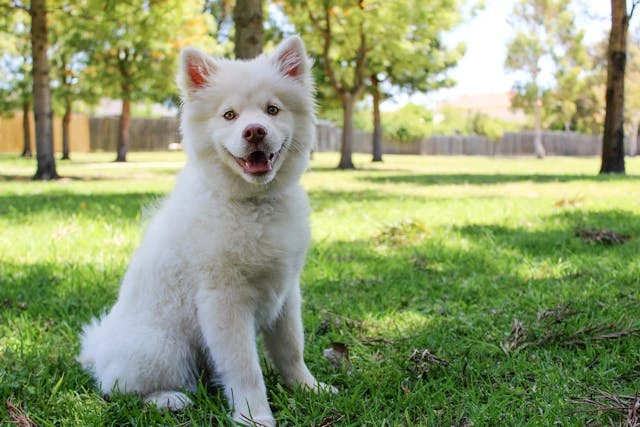
Bringing a new puppy into your house starts a fulfilling connection spanning several years. Still, for unprepared pet owners, the first few months with your new dog friend might provide many difficulties. Knowing the basic elements of dog care will enable you to lay a firm basis for a happy and healthy life together.
Creating a Safe and Comfortable Environment
Making your house ready for a new puppy comes first in greeting it. Puppies, especially, are naturally curious and can find themselves in perhaps harmful circumstances. Start by clearing poisonous plants, fixing loose cables, and stashing poisons out of reach. Limit your dog's access to specific sections of your house using baby gates; next, give serious thought to the ideal sleeping place that would provide them comfort and security. Dogs need somewhere specifically where they may hide and feel safe. Whether you decide on a crate or a dog bed, set it in a peaceful spot away from home traffic, but not totally secluded. The sleeping space should be pleasant and have readily clean, suitable bedding. Another rather important consideration is temperature regulation. Your dog's health depends on you keeping a reasonable interior temperature, since they might suffer in very severe heat or cold. Make sure your outside dog has enough shade and water during hot weather; dogs with shorter coats would profit from protective gear in colder seasons.
Establishing a Nutrition and Exercise Routine
The foundation of your dog's health is the correct diet. Studies reveal that dogs fed a balanced, age-appropriate food live, on average, 15% longer than those fed a bad diet. Choose premium dog food specially designed to satisfy your pet's dietary needs based on breed size, life stage, and degree of activity. See your veterinarian about developing a suitable feeding schedule with exactly measured amounts to help avoid obesity, a disease afflicting more than half of American dogs, according to the Association for Pet Obesity Prevention. Different breeds and individual dogs have rather different exercise demands. Although tiny or less energetic dogs can flourish with just half an hour of daily exercise, high-energy breeds like Labradors and Border Collies need between 60 to 90 minutes of daily activity to maintain physical and mental health. Regular physical exercise helps dogs avoid undesired behaviors usually resulting from too much energy accumulation and inadequate cerebral stimulation. Add cerebral stimulation from puzzle toys or training games alongside physical exercises like walking or retrieving. Plan regular meals, walks, and leisure time activities. Dogs love consistency; a consistent routine helps with housetraining and lessens anxiety.
Healthcare Essentials and Grooming Needs
Over time, preventive medicine saves sorrow as well as money. Plan a veterinarian visit during the first week you are bringing your dog home. Your veterinarian will create a vaccine plan, go over parasite prevention, and advise when to spay or neuter your pet. Regular preventative care, claims the American Veterinary Medical Association, can identify health problems before they become major and costly to treat. Regular coat brushing not only keeps your dog looking good but also offers chances for early identification of possible health issues. Create a grooming schedule tailored for your dog's coat type and include frequent health inspections covering their particular needs, regardless of length—short, medium, or long hair. For breeds with specialized coat needs, professional dog grooming services may be very beneficial. Look for experts in dog grooming in Amarillo, Texas, or near you who have expertise with your particular breed and apply soft, positive handling methods. Expert groomers may offer specific treatments that preserve your dog's health and comfort, including coat conditioning, nail cutting, and appropriate ear cleaning. Though sometimes disregarded, dental treatment is quite vital. Using dog-specific toothpaste, start an early tooth-brushing regimen. Regular dental care helps to avoid periodontal disease, which by age three affects about 80% of dogs and, if untreated, can cause major health problems.
Conclusion
Although dog ownership gives great delight and fulfillment, it also involves great responsibility. You lay the groundwork for a strong relationship with your dog by building a secure environment, developing regular routines for nourishment and exercise, and keeping preventative healthcare and grooming practices going. Every dog is different in its wants and personality. Successful navigation of the wonderful road of pet motherhood will depend on patience, consistency, and sensitivity to your dog's particular needs.