
TLDR for Busy Ontario Homeowners
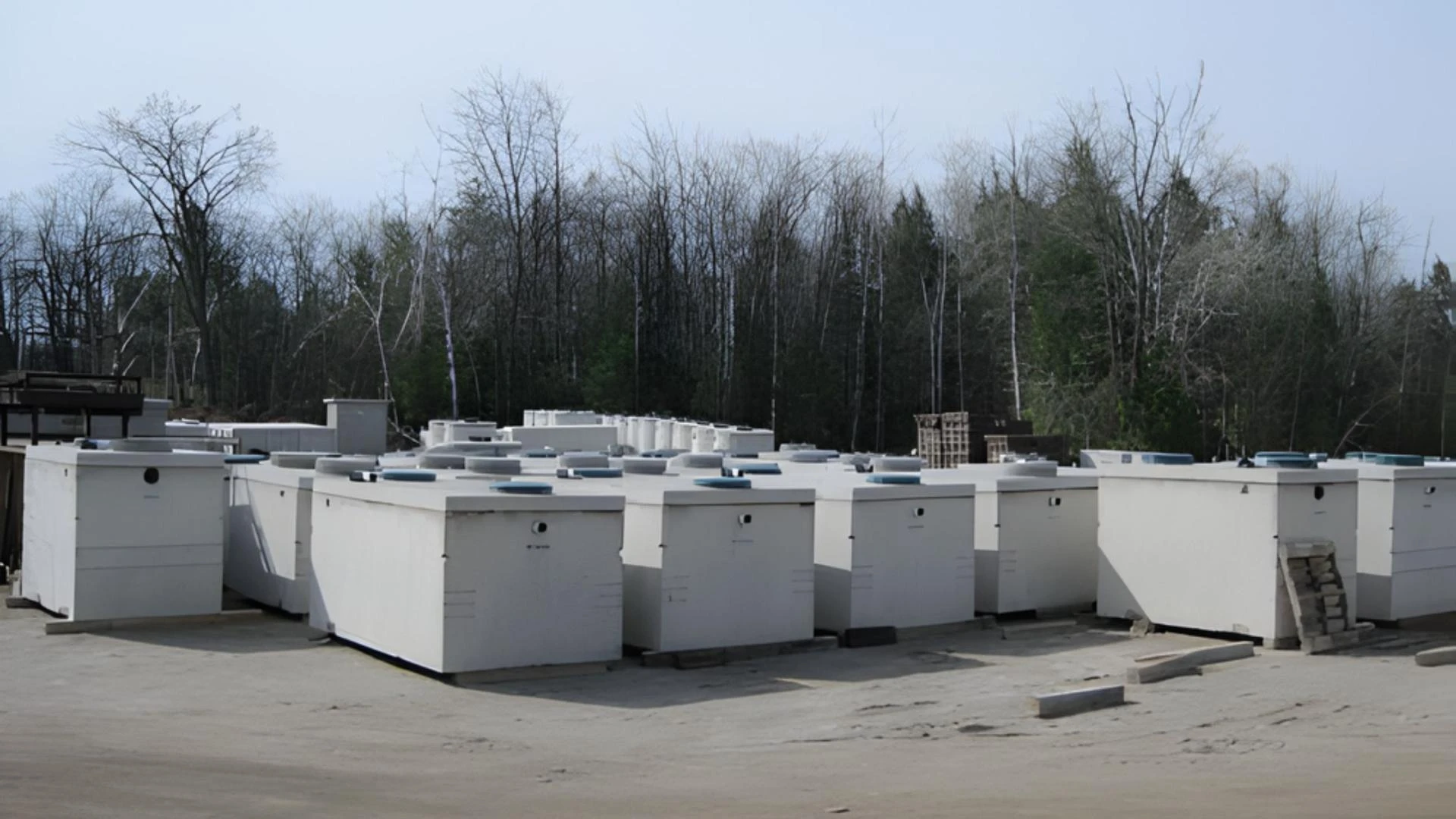
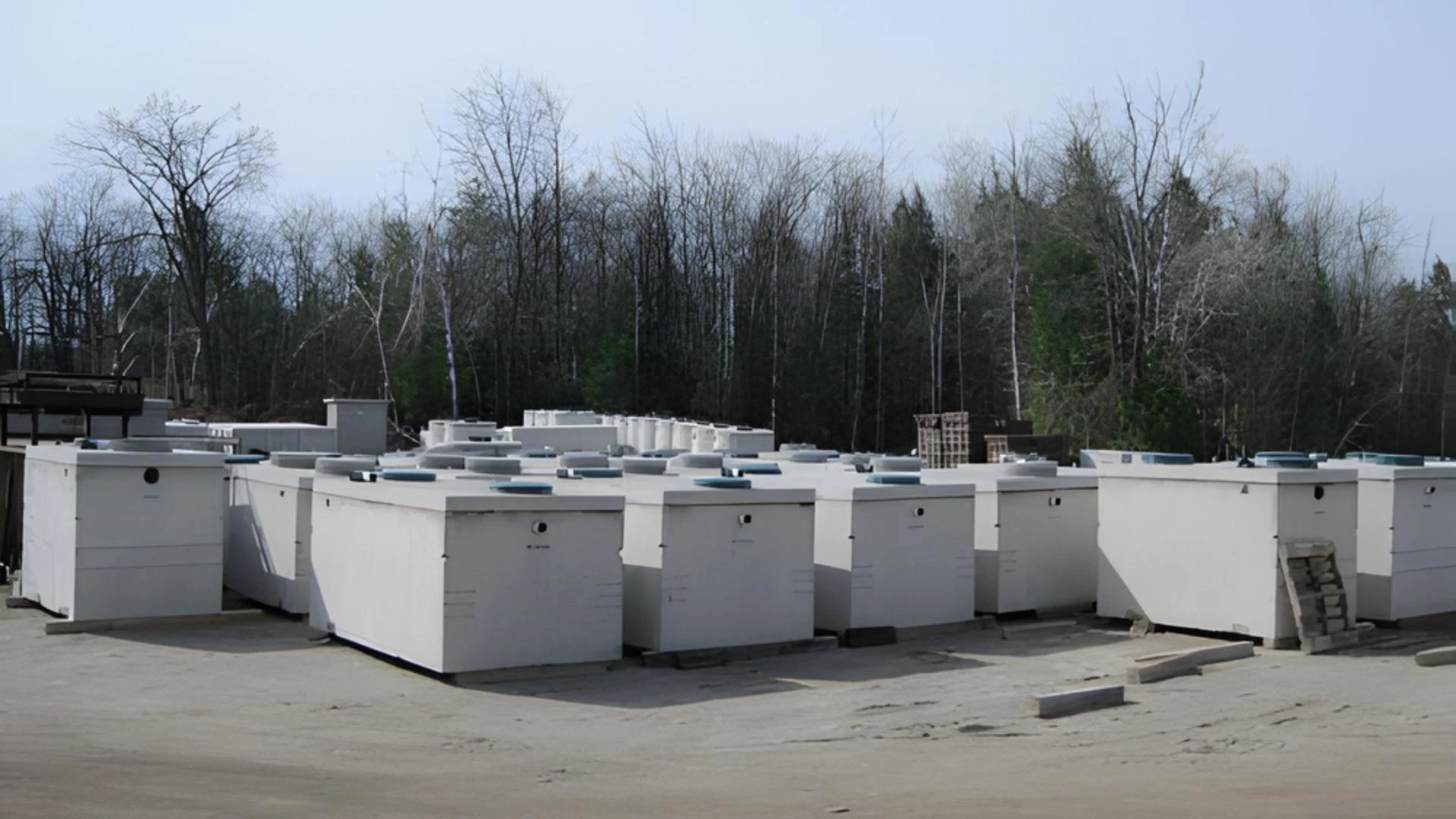
Regular pumping every 3–5 years, yearly effluent filter cleaning, bi-annual inspections, and careful drain habits keep your septic system healthy. Ontario's climate makes durable precast concrete tanks the most reliable option for long-term performance. Acton Precast delivers high-strength concrete tanks across Southern Ontario, helping homeowners avoid failures, floods, and expensive fixes.
Introduction
A septic system sits quietly underground, handling every litre of wastewater your home produces. It may not be visible, but it ranks among the most important and expensive parts of your property. When maintenance slips, repairs can surge into five figures, lawns become swampy, and groundwater faces contamination risks. Many homeowners don't realize how preventable these disasters are.
Simple, consistent care forms the backbone of a healthy system. Routine pumping, mindful water use, and proper drain habits keep your tank and leaching bed working efficiently for years. Pairing maintenance with a high-quality precast concrete septic tank ensures dependable performance throughout Ontario's challenging climate. With the right approach, your system delivers decades of reliable service without costly surprises.
Why Septic Tank Maintenance Matters in Ontario
The Cost of Neglect
Failing to pump or inspect on time leads to solids overflowing into the leaching bed. Fixing a failed bed often costs well over $10,000, while preventative pumping costs far less. Maintenance keeps the system running and your wallet safe.
Ontario's Unique Climate Challenges
Ontario's freeze-thaw cycles expand and contract soil throughout fall, winter, and spring. Poorly built or thin-walled tanks crack under pressure, while runoff and high water tables strain older systems. Local climate conditions demand durable materials and attentive care.
Environmental and Health Responsibilities
A compromised system can release untreated wastewater into soil and groundwater. Protecting nearby wells, lakes, and wetlands depends on your system functioning properly.
Property Value Protection
Homes with well-documented maintenance records and healthy septic systems consistently attract stronger offers. Buyers avoid risks, and your diligence protects resale value.
How Often Should You Pump Your Septic Tank? (FAQ)
The 3–5 Year Standard for Ontario Homes
Ontario guidelines recommend pumping every 3–5 years. The right interval depends on household size, tank size, and water usage.
Factors That Affect Pumping Frequency
- Number of residents
- Frequent visitors
- Laundry volume
- Use of garbage disposals
- Age and condition of the leaching bed
Homes with high water usage require more frequent pumping.
Signs Your Tank Needs Immediate Pumping
- Slow drains
- Sewage odors
- Gurgling sounds
- Wet patches around the tank
- Backups in toilets or floor drains
Treat these indicators as urgent.
What Happens During Professional Pumping
A technician removes sludge and scum, checks tank condition, measures solids, cleans the effluent filter if needed, and inspects inlet and outlet baffles. Pumping prevents solids from reaching and damaging your leaching bed.
Essential Maintenance Tasks Every Ontario Homeowner Should Follow
Annual Effluent Filter Cleaning
The Ontario Building Code requires an effluent filter in most newer systems. Cleaning once a year helps prevent solids from entering the leaching bed, extending the system's lifespan.
Bi-Annual Visual Inspections
A quick check in spring and fall helps you spot pooling water, damaged risers, or shifting soil early.
Professional Inspection Every 3 Years
A certified inspector checks sludge levels, baffles, tank structure, and leaching bed performance. Regular assessments catch issues before they escalate.
Protecting Your Leaching Bed
Avoid:
- Parking vehicles
- Storing firewood
- Planting deep-rooted trees
- Building decks, sheds, or patios
This area needs protection to maintain proper soil absorption.
Redirecting Surface Water
Downspouts and grading should steer water away from the septic field to prevent oversaturation and premature failure.
Warning Signs of Septic System Problems
Slow Drains and Backed-Up Toilets
Often, the earliest indicator is that the sludge is rising too high.
Sewage Odors Around Your Property
A clear signal that your tank or leaching bed is stressed.
Wet Spots or Lush Grass Over the Leaching Bed
Saturated soil and nutrient-rich wastewater cause grass to turn abnormally green.
Gurgling Sounds in Plumbing
Air struggling to escape the system often means the tank is full or clogged.
When to Call a Professional Immediately
Any combination of pooling, backups, or odors requires urgent service.
What Should (and Shouldn't) Go Down Your Drains
Safe for Septic: Human Waste and Toilet Paper
Stick to the basics to protect the microorganisms that break down solids.
Never Flush: Wipes, Feminine Products, Coffee Grounds
These items clog pipes, increase sludge levels, and block effluent filters.
Harmful Chemicals That Kill Beneficial Bacteria
Bleach-heavy cleaners, solvents, grease, paint, and antibacterial products weaken the system's natural treatment process.
The Truth About Septic Tank Additives
Additives don't replace pumping and may disrupt bacterial balance. Many offer no measurable benefit.
How High-Quality Precast Septic Tanks Prevent Costly Repairs
Superior Durability with 50+ Year Lifespan
Well-built precast concrete tanks last for decades and perform consistently.
Weight Prevents Floating in Ontario's High Water Tables
Concrete density keeps tanks firmly grounded during spring thaws and heavy rains.
Watertight Construction Protects Groundwater
Precision manufacturing prevents leaks, protecting wells and soil.
Resistant to Freeze-Thaw Damage
Concrete withstands seasonal stress far better than thin-walled materials.
No Deformation or Structural Failure Over Time
Concrete maintains shape under soil pressure and during pumping.
Why Concrete Outperforms Plastic and Steel
Concrete resists buoyancy, avoids collapse when pumped empty, and strengthens with age.
Explore Acton's range of quality concrete septic and holding tanks for long-term reliability.
Ontario-Specific Maintenance Considerations
Winter Care and Freeze Protection
Limit traffic over the tank and bed. Maintain snow cover during extreme cold to insulate the system.
Managing Seasonal Water Tables
High water levels in spring can stress aging tanks; monitoring helps prevent floating or infiltration.
Conservation Authority Requirements
Some regions require inspections, setbacks, or maintenance documentation under watershed protection rules.
Municipal Inspection Programs
Areas across Ontario require mandatory 5-year inspections to ensure systems meet local standards.
Conclusion
A well-maintained septic system offers decades of dependable service. Consistent pumping, routine inspections, careful drain habits, and durable materials create the strongest foundation for long-term performance. For homeowners across Guelph, Kitchener, Waterloo, Hamilton, Mississauga, Orangeville, Toronto, and surrounding areas, Acton Precast's 60-plus years of experience in manufacturing concrete septic tanks provides confidence and reliability in every installation. Reach out for expert guidance and delivery across Southern Ontario.