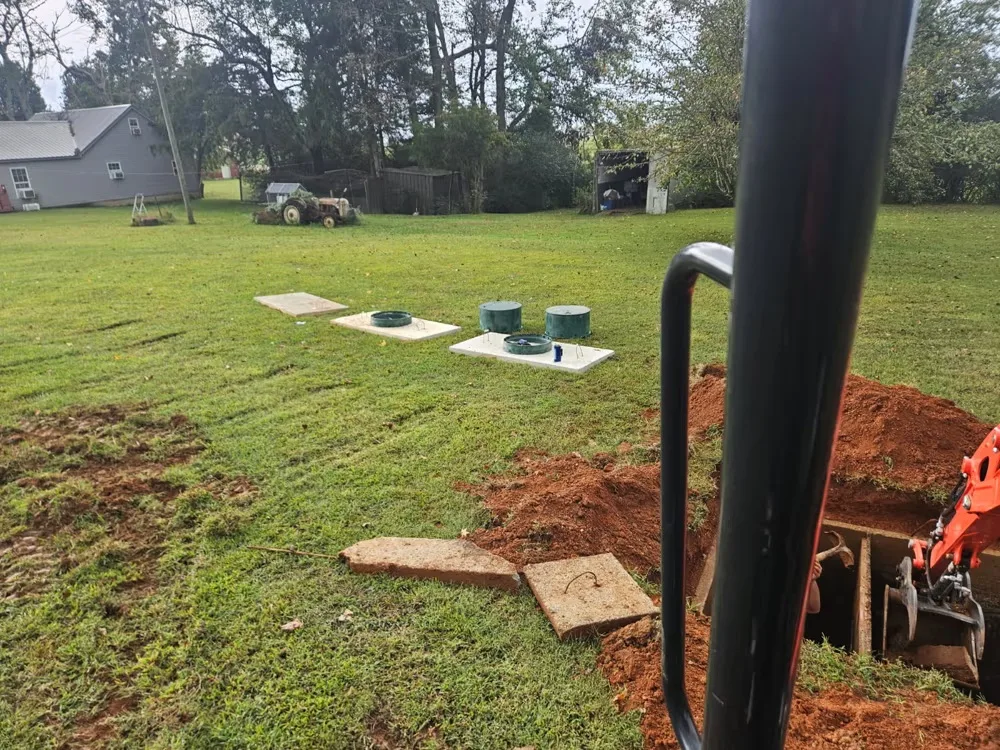
Nobody thinks about the septic tank when everything is working. You flush the toilet, the water goes down, and that's the end of it. At least that's how it feels. The problem is, septic systems can start having trouble long before you actually notice it. That's why keeping up with septic tank service matters. It's not exciting, but neither is cleaning sewage out of a basement.
The good news is that septic maintenance isn't all that difficult. Most of it comes down to a few sensible habits. Don't put garbage down the toilet. Don't waste huge amounts of water. Know where your drain field is. And don't wait five years to wonder when the tank was last pumped.
Pay Attention to Changes
Your septic system will usually give you some clues when something isn't right.
Maybe the toilet isn't flushing like it used to. Maybe the shower takes forever to drain. Then you notice a smell outside near the tank. One of these things on its own may not mean much. If you're seeing several of them, though, I'd pay attention. Wet ground around the drain field is another one.
So is grass that's suddenly much greener in one particular spot. It might look great, but if there hasn't been enough rain to explain it, something could be going on underneath.
Don't automatically assume the tank has failed. There could be a plumbing blockage or another issue. But it's better to find out than keep ignoring it.
Don't Wait Until the Tank Is Full
Septic tanks collect the solid waste that leaves your home. Eventually, that material builds up. There's no way around it.
The tricky part is that there's no single pumping schedule that works for every house. A large family using a smaller tank will obviously fill it faster than two people using a larger one. Water use matters too.
This is one reason regular septic tank service is useful. A professional can check the tank and see how much buildup is actually there. You're not just guessing based on the number of years since the last pump.
If you have no idea when the tank was last serviced, start keeping track now. Put the date somewhere you'll remember. Your phone is probably the easiest place.
Be Careful With the Toilet
Here's the simple rule: the toilet isn't a garbage can. Toilet paper is designed to break down in the system. A lot of the other stuff people flush isn't.
Wipes are a common problem. Paper towels are another. Don't flush diapers, sanitary products, cotton swabs or other bathroom waste either. Some products call themselves “flushable,” but that's not the same thing as saying they're good for your septic system.
The kitchen sink deserves some attention too. Don't pour cooking grease down it. It may be liquid while you're standing over the stove, but it cools off inside the plumbing and sticks around. Eventually, enough buildup can cause trouble.
You don't have to change every product in your house, either. Just avoid dumping unnecessary chemicals and junk down the drains.
Watch How Much Water You're Using
All the water you use in the house eventually reaches the septic system. If everyone takes long showers while the washing machine is running and the dishwasher is going, that's a lot of water moving through the system in a short amount of time.
Try spreading things out.
It's also worth fixing a toilet that keeps running. A small leak doesn't seem important, but a toilet that runs constantly can send a surprising amount of water into the septic tank. The same goes for dripping faucets.
You don't need to start counting every gallon. Just fix obvious leaks and don't run every water-using appliance at the same time when you can avoid it.
Don't Mess With the Drain Field
The drain field needs room to do its job. This is where some homeowners get into trouble because the area just looks like part of the yard. They park a truck there. They build something over it. They plant a tree nearby and forget about it.
Heavy vehicles can compact the soil and damage the pipes underneath. A shed or other structure can make future maintenance much harder.
Trees aren't ideal either, especially ones with aggressive root systems. Roots can work their way toward underground septic pipes looking for water.
And if water keeps pooling over the drain field, don't just ignore it. A soggy area after a huge storm isn't necessarily a disaster. Water that keeps coming back, especially with a bad smell, is different.
Have the System Checked
There's only so much you can figure out by looking at the grass. Most of the septic system is underground. You can't see the condition of the tank, pipes, or drain field just by walking around the property.
That's where professional septic tank service comes in. A technician can inspect the system, check for buildup, and look for signs that something isn't working the way it should. It's especially worth doing when you're buying a house with a septic system.
Don't just ask the seller, “Has it ever had problems?” Maybe it hasn't. Maybe they don't know. Get it checked yourself. Finding out that the tank needs work before you buy the property is a whole lot better than finding out three months after moving in.
Don't Ignore Small Problems
Most septic disasters start as something smaller.
A drain gets slow. There's a smell. The yard stays wet. Somebody notices it and thinks, “We'll deal with it later.” Then later turns into a backup. That's why basic maintenance matters. Septic tank service isn't only about pumping a tank. It's also about catching problems before they get expensive.
Keep track of inspections. Know where the tank and drain field are. Be careful about what goes down the drains. None of this takes much effort, really.
Conclusion
A septic system isn't complicated, but it does need a little attention. If you take care of it, there's a good chance it will keep doing its job for many years.
Pay attention when drains start slowing down. Don't flush things that don't belong there. Fix leaking toilets. Spread out heavy water use. Keep vehicles and structures away from the drain field, and don't skip routine pumping. And if you're not sure when the system was last checked, that's probably a good enough reason to make a call.
Regular septic tank service is one of those home maintenance jobs that's easy to put off because you can't see an immediate benefit. But avoiding a major septic repair is a pretty benefit, even if nobody gets excited about it.
FAQs
1. How often should a septic tank be pumped?
It depends on the tank size, number of people in the house, and how much wastewater the household produces. There isn't one schedule that works for everybody. Have the tank inspected and go from there.
2. Can I flush wipes if the package says they're flushable?
I'd avoid it. Wipes don't break down the same way toilet paper does and can cause problems in septic systems. It's just not worth taking the chance.
3. What are the first signs of a septic problem?
Slow drains, unpleasant smells, gurgling toilets, wet spots around the drain field, unusually green grass, and sewage backups are some common warning signs. If something seems different, get it looked at before it gets worse.
4. Can I park on top of my septic drain field?
You shouldn't. The weight from vehicles and heavy equipment can compact the soil and damage the pipes underneath.
5. Why do I need professional septic tank service?
Because much of the system is underground. You can't see what's happening inside the tank or pipes yourself. Professional septic tank service can find buildup or other problems before they turn into a much bigger repair.