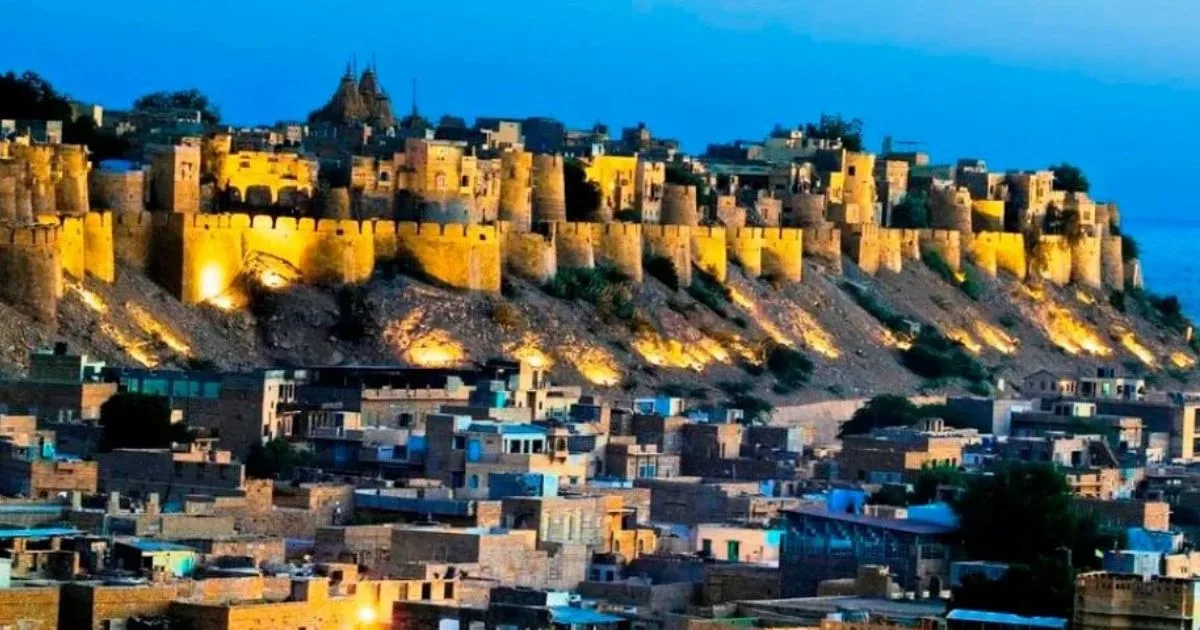
Jaisalmer, often celebrated as the Golden City of India, rises majestically out of the heart of the Great Indian Desert. For travelers venturing into this sandbox of history for the first time, the city offers an overwhelming blend of rich heritage, intricate architecture, and vast stretches of pristine sand dunes. Planning a trip here requires balancing historical exploration inside the living fort with the serene, soulful experience of spending a night under the stars at a premier camp in Jaisalmer. Understanding the layout of the city and its surrounding desert attractions ensures that your inaugural visit captures the true essence of Rajasthan's royal heritage without feeling rushed or repetitive.
The Grandeur of Jaisalmer Fort
Unlike most historical fortifications across India that stand as abandoned monuments, the Jaisalmer Fort is a living, breathing ecosystem. Nearly a quarter of the old city's population still resides within its massive golden sandstone walls. Built in 1156 AD by the Rajput ruler Rawal Jaisal, the fort stands atop the Trikuta Hill, changing its hues from a delicate yellow during the day to a brilliant honey-gold as the sun sets. Walking through its narrow, winding alleys gives you an immediate sense of stepping back in time.
As a first-time visitor, your exploration should begin at the main entrance gates, passing through Akhai Pol and Hawa Pol to reach the central courtyard. Inside, the stunning Raj Mahal (the Royal Palace) showcases masterful carvings that highlight the sheer skill of medieval stone artisans. The fort also houses a complex of seven interconnected Jain Temples built between the 12th and 15th centuries. These temples are highly revered for their architectural brilliance, featuring thousands of unique stone idols, detailed friezes, and ceiling carvings that rival those found anywhere else in the world.
Architectural Marvels of the Havelis
Beyond the fort walls lie the spectacular ancestral mansions known as havelis, built by wealthy merchants who made fortunes along the ancient Silk Road trade routes. The most famous of these is Patwon Ki Haveli, which is actually a cluster of five separate mansions constructed by a rich brocade merchant for his sons. It is renowned for its iconic jali work—intricate latticed stone screens that allowed noblewomen to observe street life without being seen themselves.
A short walk away stands Salim Singh Ki Haveli, easily recognized by its distinctive peacock-shaped roofline and supported by thirty-eight beautifully carved balconies. For those interested in unique structural engineering, Nathmal Ki Haveli offers an intriguing story. Built by two brothers who worked on separate halves simultaneously, the building looks symmetric at a casual glance, but closer inspection reveals delightful variations between the left and right sides. Visiting these spaces provides genuine insight into the immense wealth and artistic sensibilities of old Jaisalmer.
The Magic of Sam Sand Dunes and Desert Stays
No first-time journey to the Golden City is complete without venturing into the rolling landscape of the Thar Desert. Located roughly 45 kilometers from the main town, the Sam Sand Dunes present the classic picture-postcard view of sweeping desert crests, shifting winds, and spectacular crimson sunsets. It is here that the true magic of Rajasthani hospitality comes alive away from urban noise.
To fully immerse yourself in this environment, staying in a luxury desert tent in Jaisalmer is highly recommended. Modern desert camps successfully combine rustic charm with contemporary comforts, offering well-appointed canvas accommodations complete with attached private bathrooms and traditional furnishings. Spending an evening watching local folk artists perform Langa Manganiyar music and Kalbeliya dance around a central bonfire provides an unforgettable cultural connection to the land.
Sacred Waters and Memorials
Returning closer to town, Gadisar Lake offers a peaceful retreat especially during the early morning hours. This artificial reservoir was constructed in the 14th century by Maharawal Gadsi Singh to serve as the sole water source for the arid city. Today, it is surrounded by small shrines, ghats, and the beautiful Tilon Ki Pol gateway that spans across the water entrance. Renting a rowboat allows you to drift past the artistic sandstone pavilions reflecting beautifully on the calm lake surface.
Another vital historical stop is Bada Bagh, located a few kilometers north of the city. This site serves as the royal cenotaph ground, containing a series of carved stone chatris erected in memory of the past rulers of Jaisalmer. Positioned beautifully on a low hill, it is a favorite spot for photographers looking to capture the silhouettes of these dome-shaped structures against the warm glow of the desert twilight.
Practical Tips for Your Itinerary
When organizing your travel timeline, managing your days efficiently is key to avoiding travel fatigue. A well-structured layout like the 02 Night 03 Days Jaisalmer Budget Package offers the perfect balance for newcomers. This specific timeframe allows for one full day dedicated to the fort, havelis, and local marketplaces, followed by a dedicated afternoon transition to the desert dunes for camel safaris, jeep dune bashing, and overnight stargazing.
The best months to visit are between October and March when daytime temperatures remain pleasantly cool for walking tours. Always remember to carry sun protection, stay well-hydrated, and respect local customs when entering active religious sites inside the fort or near the lakeside shrines.