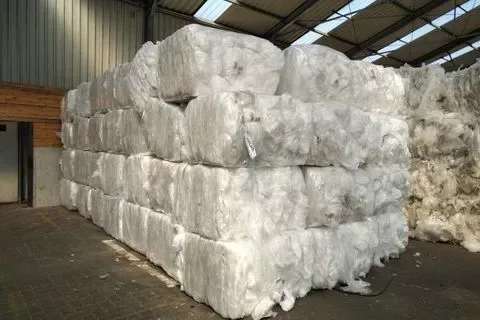
Improving your home insulation in Evergreen requires a focus on high R-value materials and air sealing to combat extreme Montana winters. The most effective approach involves addressing the attic first with blown-in or spray foam insulation, followed by sealing leaks around rim joists and crawl spaces.
This guide provides a detailed look at modern insulation strategies tailored for the local climate. Using years of industry data and physical building science, these methods help you maintain a stable indoor temperature and lower monthly utility costs.
Why local climate dictates your insulation choices
Evergreen sits in a region with significant temperature swings, meaning your home needs to handle both sub-zero winters and hot summer afternoons. Standard fiberglass batts often fall short because they allow air to move through the material.
Many homeowners find that adding air sealing alongside new insulation makes the biggest difference. Air leaks can account for up to 40% of a building's heat loss. By stopping the movement of air, you make the actual insulation material work much more effectively.

1. Identifying high priority areas for upgrades
The attic is the biggest culprit for heat loss in most Evergreen homes. Heat naturally rises, and if your attic floor isn't properly sealed and insulated, that heat escapes directly into the atmosphere. You should check if your current insulation is below or level with the floor joists.
If you can see the wooden beams, you likely need more material. Adding a layer of blown-in cellulose or fiberglass can fill gaps that batts might miss. This creates a more uniform thermal blanket across the entire space.
Bonus Tip: Before adding more insulation to your attic, ensure you seal any penetrations from light fixtures, plumbing stacks, and chimney flues with fire-rated spray foam or caulk.
How does spray foam benefit Montana homes?
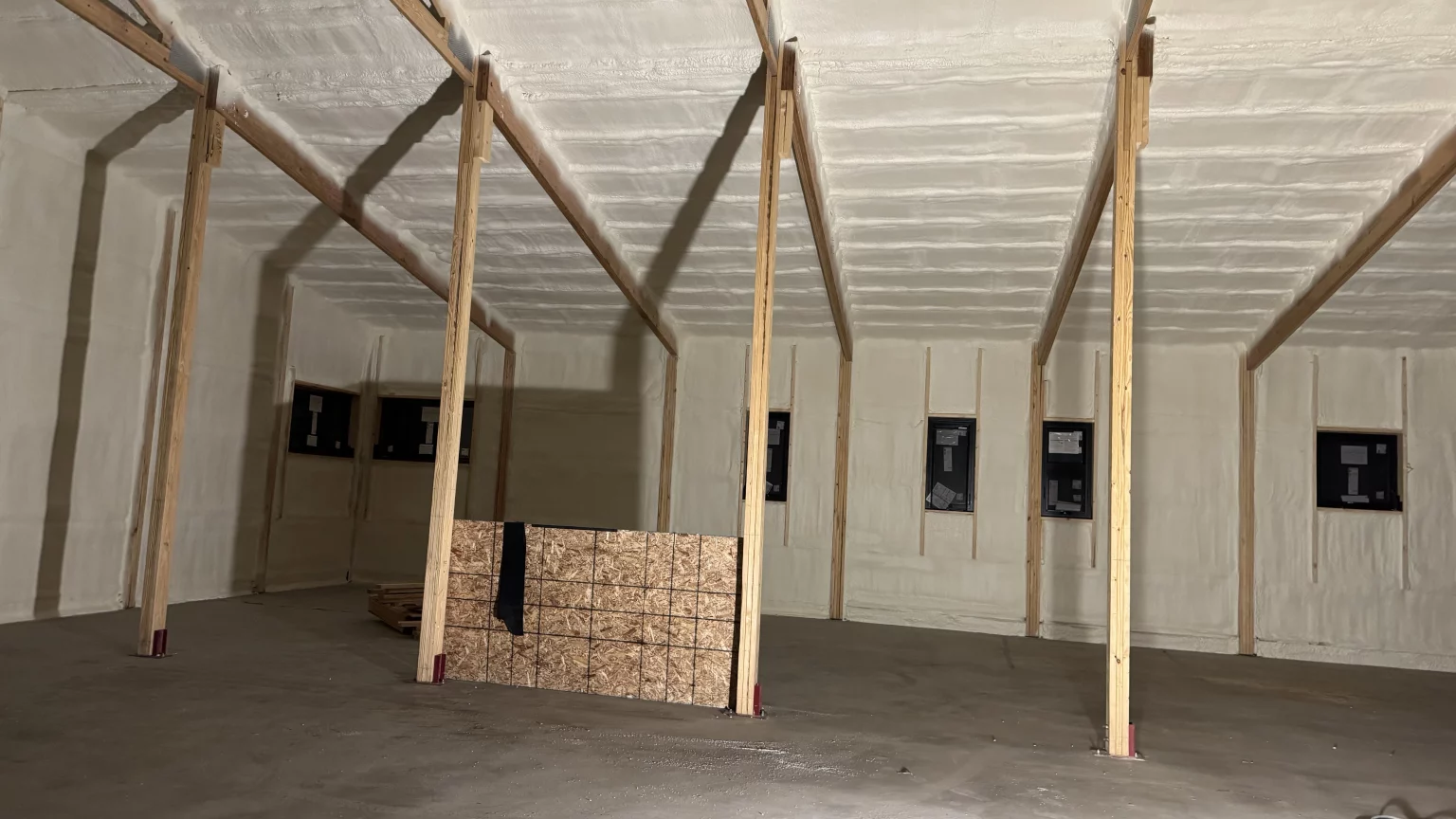
Spray foam is often considered a premium choice for this region because it acts as both insulation and an air barrier. This dual function is particularly useful in Evergreen, where wind can push cold air through small cracks in the siding or foundation.
Closed cell foam is dense and rigid, which can actually add structural strength to your walls. It also rejects bulk water, making it a great fit for basement walls or crawl spaces that might be prone to dampness. Open cell foam is more flexible and excellent for sound dampening between rooms.
2. Addressing the foundation and rim joists
While attics are a priority, it is equally important to address the bottom of the home. The rim joist is the area where the house frame meets the foundation. This is often one of the leakiest parts of a structure. Traditional fiberglass stuffed into these gaps does little to stop the cold Montana wind.
Sealing these areas with spray foam creates an airtight bond. This prevents cold floors and keeps pests from finding easy entry points into your living space. If you have a crawl space, insulating the walls rather than the ceiling of the crawl space is often more effective for keeping pipes from freezing.
3. Evaluating exterior and new construction options
If you are building a new home or stripping a house down to the studs, you have the chance to install a complete thermal envelope. This involves using exterior insulation or high-performance flash-and-batt systems.
These methods ensure that there are no "thermal bridges," which are spots where heat travels through the wooden studs. By wrapping the outside of the house in rigid foam or using spray foam in the cavities, you create a much more stable environment.
Things to consider before you start an insulation project
- Moisture Management: Ensure your home has proper ventilation. If you seal a house too tightly without considering airflow, you might trap humidity inside.
- Existing Damage: Never insulate over moldy or water-damaged materials. Fix the leak first, or you will just hide a growing problem.
- Recessed Lighting: Older "can" lights can get very hot. Make sure your insulation is rated for contact with these fixtures or replace them with IC-rated LED versions.
- Local Rebates: Check with local utility providers in the Flathead Valley. Many offer incentives for homeowners who upgrade their R-values.
Bonus Tip: Use a thermal camera during the winter months to see exactly where heat is leaking out. It often reveals surprising gaps around windows and door frames that are easy to fix with simple weatherstripping.
4. The importance of professional air sealing
Air sealing is the practice of closing holes that allow air to pass between the inside and outside of a home. This includes gaps around wires, pipes, and vents. While you can do some of this yourself, professionals use blower-door tests to find the invisible leaks.
By combining air sealing with high-quality insulation, you ensure that the air you pay to heat stays where it belongs. This is especially relevant in Evergreen, where the heating season can last for more than half the year.
Determining the right R-value for your zip code
The Department of Energy categorizes Evergreen, MT in a high-demand climate zone. For attics, they recommend an R-value between R-49 and R-60. Most older homes in the area only have about R-19 or R-30.
Updating to modern standards can reduce heating bills by a significant margin. Market data shows that homes with updated insulation packages often see a 15% to 20% reduction in total energy consumption. This makes the project a long-term investment that pays for itself over time.
Moving toward a more comfortable living space
Improving your insulation isn't just about the numbers on a bill. It's about the comfort of your family. Good insulation eliminates drafts, reduces outside noise from traffic, and keeps every room in the house at a consistent temperature.
When you look at your home as a complete system, you see that the roof, walls, and floor all need to work together. Investing in high-quality materials now prevents the need for expensive HVAC repairs or replacements later because your heater won't have to work as hard to keep up.
Steps to take for a successful home upgrade
You should start by performing a simple visual inspection of your attic and crawl space. Take note of the type of material currently used and its depth. If you find that your home is still drafty or cold despite having insulation, the issue is likely air leakage.
Reaching out to a specialist can help you determine if you need a simple "top-off" of blown-in material or a more comprehensive spray foam application. They can provide a detailed assessment of your home's current performance and suggest the most cost-effective path forward.
Planning for long term energy savings
Upgrading your home insulation is one of the few home improvements that offers a guaranteed return on investment. By choosing the right materials and focusing on air sealing, you protect your property from the harsh Montana elements. You should evaluate your current comfort levels and energy costs to decide which areas of your home need the most attention. Whether you choose a small attic project or a full-home spray foam application, the results will lead to a more efficient and durable house.
How to get professional help with your Evergreen insulation project
If you are ready to improve your home's efficiency, contacting a local expert is the best next step. Wegner Insulation provides a wide range of services including spray foam, blown-in, and mineral wool applications. They can help you decide which material fits your budget and your home's specific needs. You can reach out to them for a free quote to see how their air sealing and insulation services can benefit your property. Contact them at (406) 654-4636 or send an email to [email protected] to discuss your project.
Common questions about home insulation in Montana
Is spray foam safe for older homes in Evergreen?
Yes, spray foam is safe and often preferred for older homes because it can fill irregular gaps in aging structures. It helps strengthen old walls and provides a superior air barrier that traditional materials cannot match.
How long does it take to insulate an average attic?
Most attic insulation upgrades, such as adding blown-in cellulose or fiberglass, can be completed in a single day. Spray foam applications might take slightly longer depending on the size of the space and the prep work required.
Will new insulation help with my summer cooling bills?
Absolutely. While most people focus on winter, insulation is just as effective at keeping heat out during the summer. It prevents the hot attic air from radiating down into your living spaces, making your air conditioner more efficient.
Can I install spray foam insulation myself?
While small DIY kits exist for minor gaps, large-scale applications require specialized equipment and training. Professionals ensure the chemicals are mixed correctly and applied at the right thickness to avoid odors or shrinking.
Does insulation help reduce noise from neighbors or traffic?
Yes, materials like open cell spray foam and mineral wool have excellent sound-dampening properties. They absorb sound waves rather than letting them pass through the walls, creating a much quieter indoor environment.