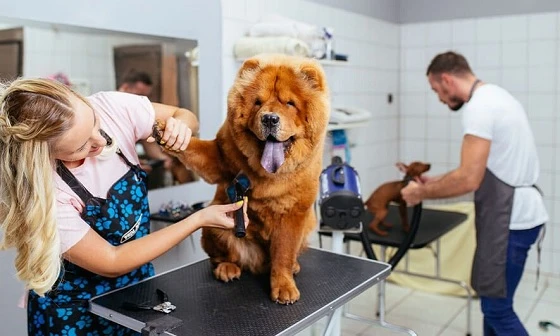
Welcoming a puppy into your home brings joy, companionship, and responsibility. Among the many aspects of pet care, grooming plays a vital role in maintaining your puppy’s health and comfort. Regular grooming is not just about keeping your pet looking clean—it supports hygiene, prevents health issues, and helps build trust between you and your furry companion. For those exploring Puppy Grooming Riverview, understanding the fundamentals can make the process smoother and more effective from the very beginning.
Why Grooming Matters for Puppies
Puppies require consistent grooming routines to stay healthy. Their skin is sensitive, and their coats are still developing, making proper care essential. Grooming helps remove dirt, loose hair, and debris that may otherwise cause irritation or infections. It also allows early detection of issues such as ticks, fleas, rashes, or unusual lumps.
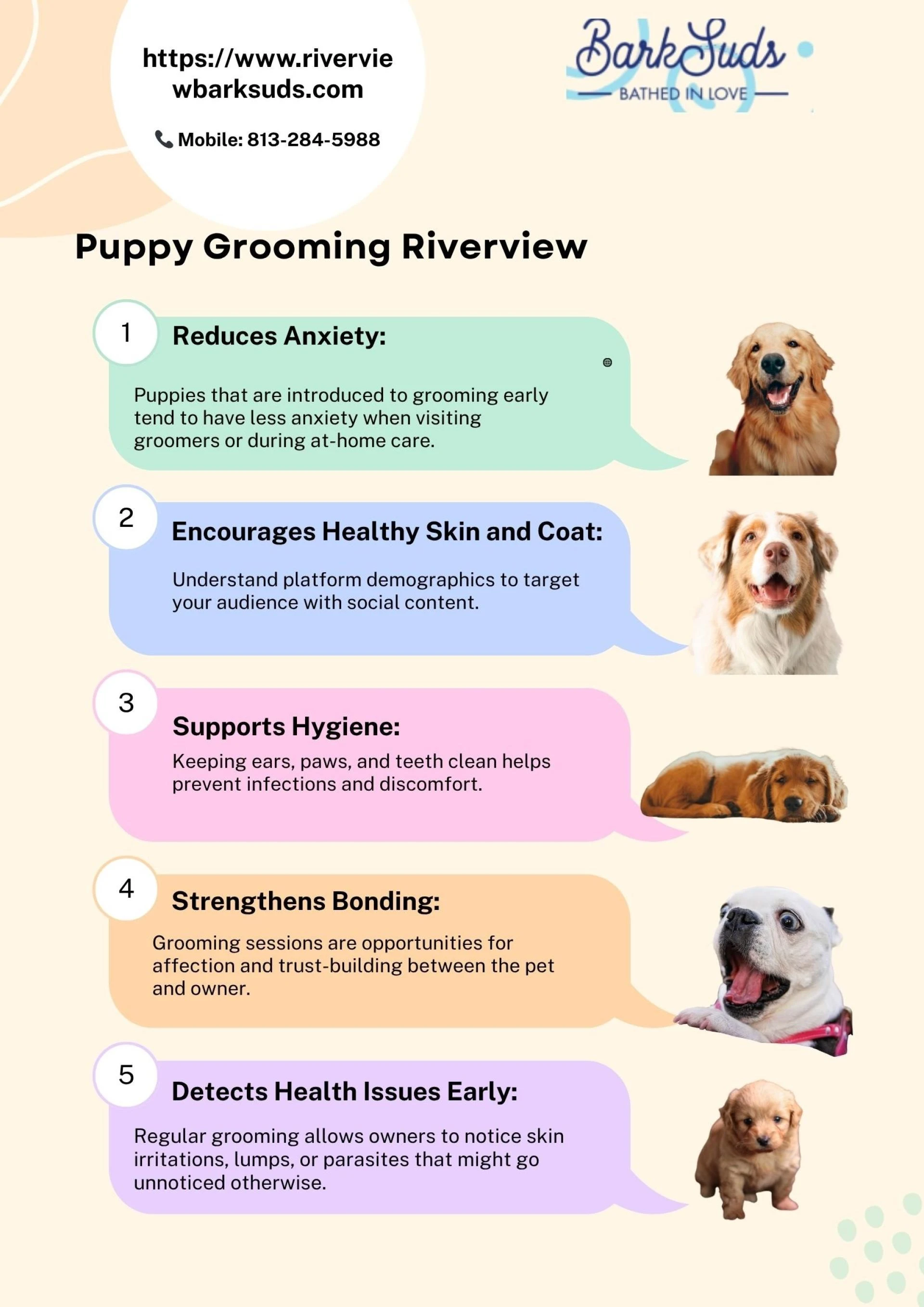
Beyond physical health, grooming supports emotional well-being. Puppies that are groomed regularly become accustomed to handling, which reduces anxiety during veterinary visits or future grooming sessions. Establishing this routine early helps create a calm and cooperative pet.
Understanding Different Coat Types
Every puppy has a unique coat type, and grooming techniques vary accordingly. Short-haired breeds may require minimal brushing, while long-haired puppies need more frequent maintenance to prevent tangles and matting. Curly or double-coated breeds often demand specialized attention to maintain coat health.
Understanding your puppy’s coat type allows you to choose the right tools and grooming frequency. Using improper brushes or grooming too often—or too little—can lead to discomfort or skin issues. Learning these differences is an important step in responsible pet care.
Basic Grooming Tools You’ll Need
A well-prepared grooming routine starts with the right tools. Some essentials include:
- A soft-bristle brush or slicker brush
- A gentle puppy shampoo
- Nail clippers designed for pets
- Ear cleaning solution
- A clean, absorbent towel
Choosing high-quality, puppy-safe products ensures that grooming sessions remain safe and effective. Avoid using human grooming products, as they may disrupt your puppy’s skin balance and cause irritation.
Bathing Your Puppy Safely
Bathing is an important part of grooming, but it should be done with care. Puppies generally do not need frequent baths unless they get particularly dirty. Overbathing can strip natural oils from their coat, leading to dryness and irritation.
When bathing your puppy, use lukewarm water and a mild shampoo formulated specifically for pets. Ensure that water does not enter their ears or eyes. After bathing, dry your puppy thoroughly to prevent chills or skin issues.
Keeping bath time calm and gentle helps your puppy associate grooming with a positive experience.
Brushing and Coat Maintenance
Regular brushing is essential for maintaining a healthy coat. It helps distribute natural oils, reduces shedding, and prevents tangles. The frequency of brushing depends on the breed and coat type, but even short sessions several times a week can make a significant difference.
Brushing also serves as a bonding activity. Puppies often enjoy the attention and gentle touch, making it easier to build trust. Consistency is key—starting early ensures that your puppy becomes comfortable with the process.
Nail Trimming and Paw Care
Puppy nails grow quickly and can become uncomfortable if not trimmed regularly. Long nails may affect posture, cause pain while walking, or even lead to injury. Using proper nail clippers and trimming small amounts at a time can help avoid cutting too close to the sensitive quick.
In addition to nails, checking your puppy’s paws for dirt, debris, or minor injuries is important. Clean paws contribute to overall hygiene and prevent infections.
Ear and Dental Hygiene
Grooming extends beyond the coat. Ear cleaning is crucial, especially for breeds prone to wax buildup or infections. Using a vet-approved ear solution and cleaning gently can help maintain ear health.
Dental care is another often overlooked aspect. Introducing your puppy to brushing early helps prevent plaque buildup and promotes long-term oral health. Special pet toothbrushes and toothpaste should always be used.
Creating a Grooming Routine
Consistency is essential when it comes to grooming. Establishing a routine helps your puppy understand what to expect and reduces stress. Start with short sessions and gradually increase the duration as your puppy becomes more comfortable.
Positive reinforcement, such as treats or praise, can make grooming a rewarding experience. Avoid forcing your puppy into uncomfortable situations, as this may create fear or resistance over time.
Common Grooming Mistakes to Avoid
Many new pet owners unintentionally make grooming mistakes that can affect their puppy’s health. Some common ones include:
- Using harsh or inappropriate products
- Skipping regular brushing sessions
- Cutting nails too short
- Ignoring signs of skin irritation
- Bathing too frequently
Being aware of these mistakes helps ensure that grooming remains a safe and beneficial practice.
When to Seek Professional Help
While home grooming is important, there may be times when professional assistance is needed. Puppies with thick or complex coats, or those who are particularly anxious, may benefit from expert care.
Professionals are trained to handle different breeds and grooming challenges, ensuring that your puppy receives proper treatment without stress. For pet owners considering Puppy Grooming Riverview services, understanding when to seek help can make a meaningful difference in your puppy’s overall care.
Seasonal Grooming Considerations
Grooming needs can change with the seasons. During warmer months, puppies may require more frequent brushing to manage shedding and keep their coats light. In colder months, maintaining a slightly thicker coat can provide warmth, but cleanliness and hygiene should still be prioritized.
Adjusting grooming routines based on seasonal changes ensures that your puppy remains comfortable year-round.
Building Trust Through Grooming
Grooming is more than a routine—it is an opportunity to strengthen the bond between you and your puppy. Gentle handling, patience, and consistency create a sense of security. Puppies that trust their owners during grooming are more likely to remain calm and cooperative.
Taking the time to understand your puppy’s behavior and comfort level can transform grooming from a task into a positive shared experience.
Long-Term Benefits of Regular Grooming
Maintaining a consistent grooming routine offers long-term benefits for both health and well-being. Clean coats, trimmed nails, and healthy skin contribute to a happier, more active puppy. Early grooming habits also make it easier to manage your dog’s care as they grow older.
For those navigating Puppy Grooming Riverview practices, focusing on consistency and proper techniques can lead to lasting results.
Caring for a puppy involves attention to many details, and grooming is a fundamental part of that responsibility. From brushing and bathing to nail trimming and ear care, each step contributes to your puppy’s overall health. By establishing a routine, using the right tools, and understanding your puppy’s unique needs, grooming becomes a manageable and rewarding process.
At the very end of your grooming journey, it’s worth noting that perspectives and practices may vary, and experiences shared by communities like Riverview Barksuds can offer additional insight into responsible pet care.
Contact Us :
🐾 Riverview Barksuds
📍 3145 US Highway 301, Riverview, FL 33578
📞 Mobile: 813-284-5988