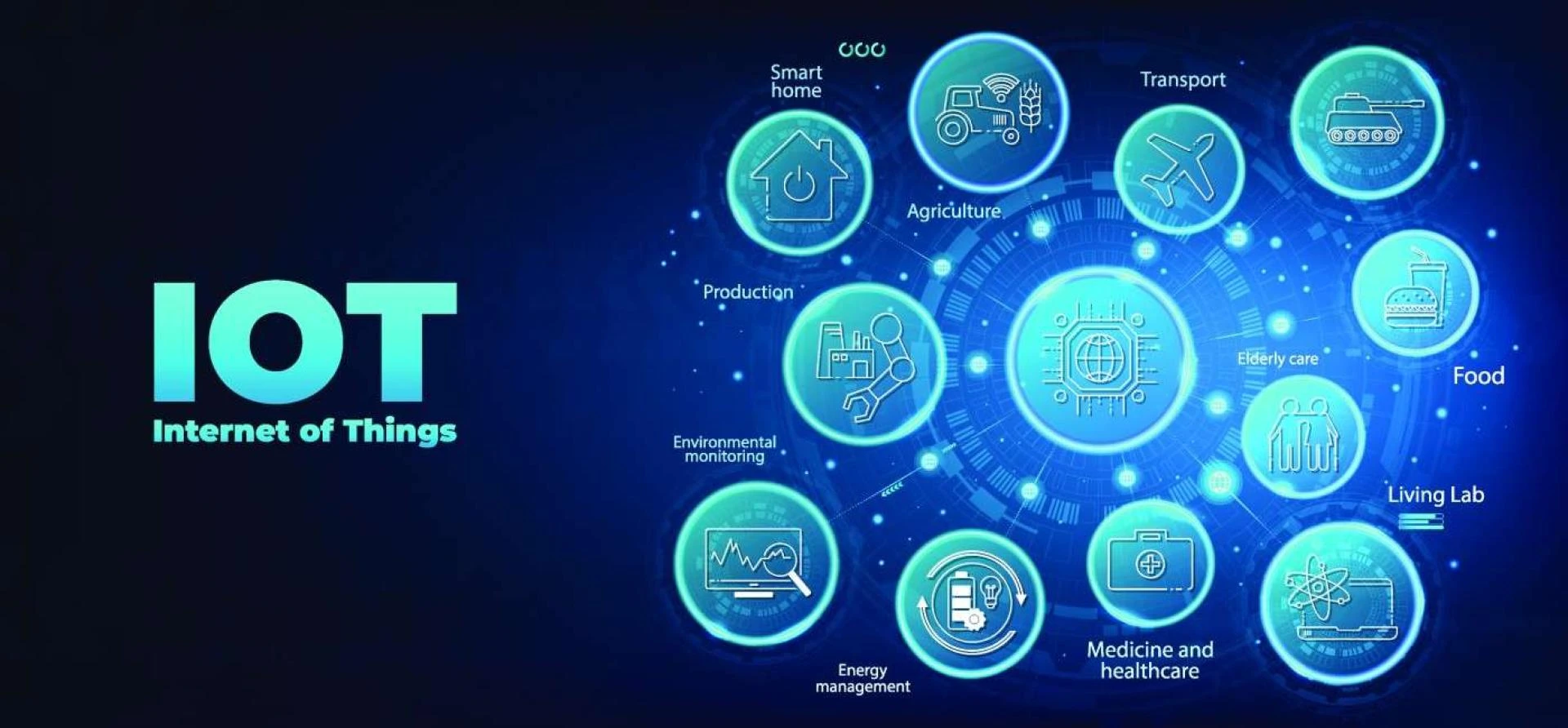
The Internet of Things (IoT) is revolutionizing how enterprises operate, offering unprecedented opportunities for efficiency, innovation, and connectivity. However, integrating IoT into enterprise applications presents both significant advantages and notable challenges. Enterprise Application Services play a pivotal role in navigating this complex landscape, ensuring that businesses can harness the full potential of IoT while mitigating associated risks.
Opportunities Presented by IoT in Enterprise Applications
- Enhanced Operational Efficiency: IoT devices provide real-time data from various operational facets, enabling businesses to monitor processes continuously. This constant stream of information allows for proactive maintenance, reducing downtime and optimizing resource allocation. For instance, in manufacturing, IoT sensors can monitor equipment health, predicting failures before they occur and scheduling timely maintenance.
- Data-Driven Decision Making: The vast amount of data collected by IoT devices offers valuable insights into business operations. By analysing this data, enterprises can identify trends, optimize workflows, and make informed decisions that drive growth and innovation. For example, retailers can analyse customer foot traffic data to optimize store layouts and improve sales.
- Improved Customer Experiences: IoT enables personalized interactions with customers by collecting data on user preferences and behaviours. This information allows businesses to tailor their products and services to meet individual needs, enhancing customer satisfaction and loyalty. Smart home devices, for instance, learn user habits to provide personalized settings and recommendations.
- Supply Chain Optimization: IoT devices can track products throughout the supply chain, providing visibility into inventory levels, shipment conditions, and delivery timelines. This transparency helps in reducing losses, managing inventory more effectively, and ensuring timely deliveries. Logistics companies use IoT to monitor fleet locations and conditions, optimizing routes and delivery schedules.
Challenges in Integrating IoT with Enterprise Applications
- Security Risks: The proliferation of connected devices increases the potential entry points for cyberattacks. Ensuring the security of data transmitted between devices and enterprise applications is paramount. Implementing robust encryption, authentication, and regular security updates are essential to protect against breaches.
- Data Management: IoT devices generate massive amounts of data, leading to challenges in storage, processing, and analysis. Enterprises need scalable solutions to handle this data influx and derive meaningful insights without overwhelming their IT infrastructure. Adopting cloud-based platforms and advanced analytics tools can aid in managing and utilizing this data effectively.
- Interoperability Issues: With a wide array of IoT devices and platforms available, achieving seamless integration with existing enterprise applications can be challenging. Standardizing communication protocols and ensuring compatibility between devices from different manufacturers are crucial for a cohesive IoT ecosystem. Utilizing middleware solutions can facilitate better integration and interoperability.
- Scalability Concerns: As the number of connected devices grows, enterprises must ensure that their applications and infrastructure can scale accordingly. This scalability involves not only handling increased data volumes but also managing more devices and ensuring consistent performance across the network. Implementing edge computing can alleviate some scalability issues by processing data closer to the source, reducing latency and bandwidth usage.
The Role of Enterprise Application Services
Enterprise Application Services are integral in addressing the challenges of IoT integration. They provide the frameworks and tools necessary to develop, deploy, and manage applications that can effectively communicate with IoT devices.
- Integration Services: These services ensure that IoT devices can seamlessly connect and interact with enterprise applications, facilitating smooth data flow and interoperability. For example, Oracle's IoT Cloud Service offers integration capabilities that allow enterprise applications to send, receive, and manage IoT device data efficiently.
- Data Analytics and Management: Enterprise Application Services provide platforms for collecting, storing, and analysing data from IoT devices. This capability enables businesses to gain actionable insights and make data-driven decisions. Platforms like Azure IoT offer comprehensive tools for device management, data analytics, and integration with other enterprise applications.
- Security Frameworks: Implementing robust security measures is crucial in IoT ecosystems. Enterprise Application Services offer security frameworks that protect data integrity, ensure secure communication between devices and applications, and provide tools for monitoring and responding to security threats. For instance, Azure Sphere provides an end-to-end solution for securing IoT devices, from hardware to cloud services.
- Scalability Solutions: As IoT deployments expand, Enterprise Application Services offer scalable solutions that can grow with the enterprise's needs. They provide the infrastructure and tools necessary to manage an increasing number of devices and the associated data, ensuring consistent performance and reliability. Edge computing solutions, for example, process data closer to the source, reducing latency and bandwidth requirements, which is essential for scalable IoT applications.
Conclusion
The integration of IoT into enterprise applications offers transformative opportunities, from enhanced operational efficiency to improved customer experiences. However, it also presents challenges, particularly in areas like security, data management, and interoperability. Enterprise Application Services are crucial in navigating these challenges, providing the necessary tools and frameworks to harness the full potential of IoT. By leveraging these services, businesses can ensure that their IoT initiatives are successful, secure, and scalable, paving the way for sustained innovation and growth in the digital age.