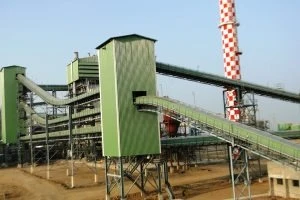
Regulatory compliance has become a defining requirement for modern industrial operations. Across sectors such as cement, power generation, mining, and ports, regulatory bodies impose strict standards related to safety, structural integrity, environmental control, and operational reliability. While compliance is often associated with documentation and audits, its foundation lies in how industrial systems are engineered and executed. Among these systems, bulk material handling plays a particularly critical role due to its continuous operation and direct interaction with both people and processes.
Engineering-focused organisations like Methods India recognise that compliance is not an afterthought but a design responsibility embedded into material handling infrastructure from the outset.
Compliance as an Engineering Responsibility
Material handling systems are subject to multiple regulatory considerations, including structural safety, dust control, noise limits, and safe access for maintenance. When these factors are addressed only during inspections or retrofits, compliance becomes reactive and costly.
An engineering-led approach integrates regulatory requirements into system design. Load calculations, safety factors, guarding provisions, and access platforms are planned early, ensuring that systems align with applicable standards before fabrication and installation begin.
Structural Integrity and Safety Standards
Structural failure remains one of the highest-risk compliance concerns in industrial facilities. Conveyors, galleries, and supporting structures must withstand static loads, dynamic forces, and environmental stresses over extended operating periods.
Experienced bulk material handling equipment manufacturers focus on structural accuracy and verification to meet safety codes and design norms. Proper engineering margins, material selection, and fabrication quality ensure that structures remain compliant throughout their service life, reducing the risk of violations or shutdowns.
Designing for Safe Operations and Maintenance
Compliance is closely tied to how safely a system can be operated and maintained. Poorly designed layouts that restrict access or require manual intervention increase safety risks and expose organisations to regulatory penalties.
Engineering-driven material handling systems incorporate safe walkways, platforms, and access points that allow inspections and maintenance without disrupting operations. These features not only improve compliance but also enhance workforce confidence and productivity.
Environmental Compliance and Material Control
Environmental regulations related to dust emissions, spillage, and noise have become increasingly stringent. Material handling systems are often primary contributors to these issues if not properly designed.
Controlled transfer points, enclosed conveyors, and stable flow design help limit dust generation and material loss. By addressing environmental compliance through engineering controls rather than operational fixes, facilities achieve more consistent regulatory performance.
Execution Discipline and Compliance Assurance
Even a compliant design can fall short if execution deviates from engineering intent. Installation errors, misaligned structures, or improper guarding can compromise safety and lead to non-compliance.
An integrated execution model ensures that fabrication and site installation adhere strictly to approved designs. Methods India follows this disciplined approach, ensuring that compliance-related features are implemented accurately on site. Midway through complex projects, many organisations engage Methods India to maintain technical consistency and reduce compliance-related risks during execution.
Documentation and Audit Readiness
Regulatory compliance also requires traceability. Design records, fabrication details, and inspection reports form the basis of audit readiness. Engineering-led organisations maintain structured documentation that supports regulatory reviews and internal governance.
When systems are engineered and executed systematically, compliance documentation becomes a natural outcome rather than a last-minute exercise. This preparedness reduces disruption during audits and inspections.
Long-Term Compliance Through Lifecycle Planning
Regulatory requirements evolve over time. Systems designed without flexibility often struggle to meet updated standards, leading to costly retrofits.
Lifecycle-focused engineering anticipates regulatory changes by incorporating reasonable margins and adaptable layouts. This foresight allows facilities to remain compliant without major structural modifications, protecting both operations and capital investment.
Key Ways Engineering Supports Compliance
• Early integration of safety and regulatory standards
• Structural accuracy aligned with design codes
• Safe access for operation and maintenance
• Environmental controls embedded into system design
• Lifecycle planning for evolving regulations
Conclusion
Regulatory compliance in industrial environments is fundamentally an engineering challenge. Bulk material handling systems, due to their scale and continuous operation, significantly influence a facility’s compliance posture. When designed, fabricated, and executed with regulatory requirements in mind, these systems reduce safety risks, environmental impact, and audit-related disruptions. By embedding compliance into engineering practice rather than treating it as a corrective task, organisations achieve more stable and confident operations. Through disciplined design and execution, Methods India demonstrates how material handling infrastructure can support sustained regulatory compliance while enabling reliable industrial performance.