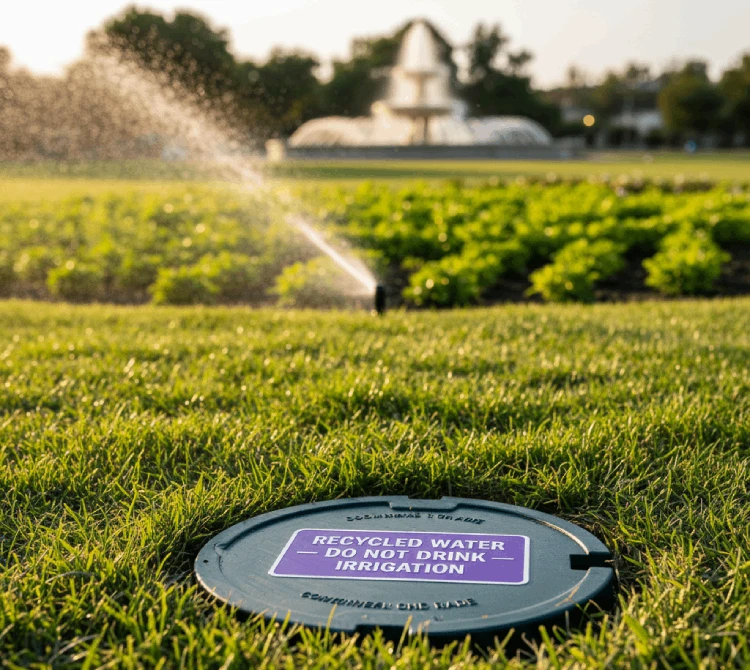
In the modern landscape of water management, the shift toward sustainable resources has transformed how we maintain green spaces. As municipalities and commercial enterprises look for ways to reduce their environmental footprint, the use of non-potable water has become a standard practice. However, with the integration of diverse water sources comes the critical responsibility of clear communication and safety. Proper identification is not just a matter of organizational convenience; it is a regulatory necessity that protects public health and ensures the longevity of infrastructure.
Evolution of Water Conservation in Landscaping
The transition to reclaimed water systems is one of the most significant advancements in modern irrigation. By utilizing treated wastewater for landscaping, golf courses, and agricultural projects, we preserve our precious drinking water supplies for essential human consumption. This dual-pipe system, while efficient, introduces a layer of complexity for maintenance crews and the general public alike.
When a system utilizes multiple water types, the risk of cross-connection or accidental ingestion increases. This is why standardized coding has been adopted globally. Professionals in the field often look to specialized providers like Irrigation Tag Supply to find the specific hardware needed to meet these rigorous safety standards.
Why Clear Identification Matters for Infrastructure
Effective signage serves as the first line of defense in any water management strategy. Without it, a simple maintenance task can turn into a hazardous situation. Imagine a technician attempting to repair a valve box without knowing whether the contents are potable or reclaimed. The confusion can lead to errors that compromise the entire system's integrity.
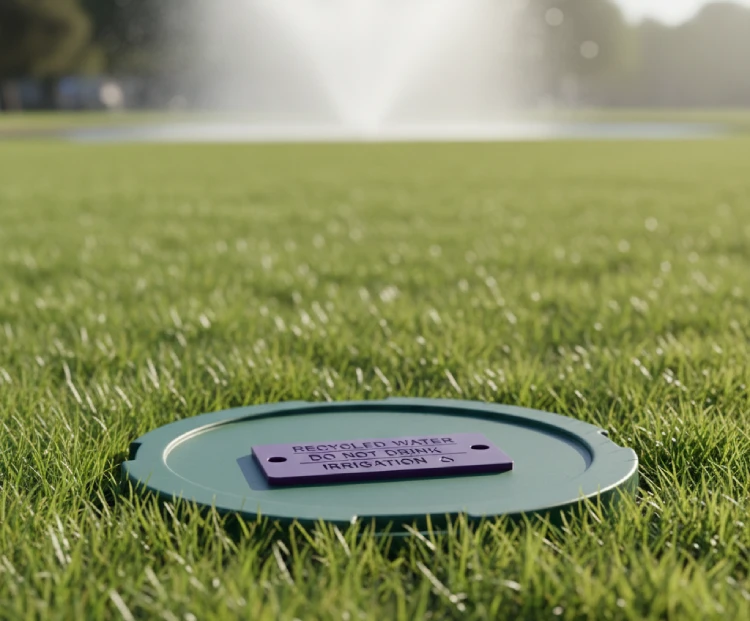
Clear marking is the most effective way to prevent these mishaps. When every valve and lateral line is properly identified, the efficiency of the maintenance team increases, and the likelihood of costly repairs decreases.
Meeting Regulatory Standards
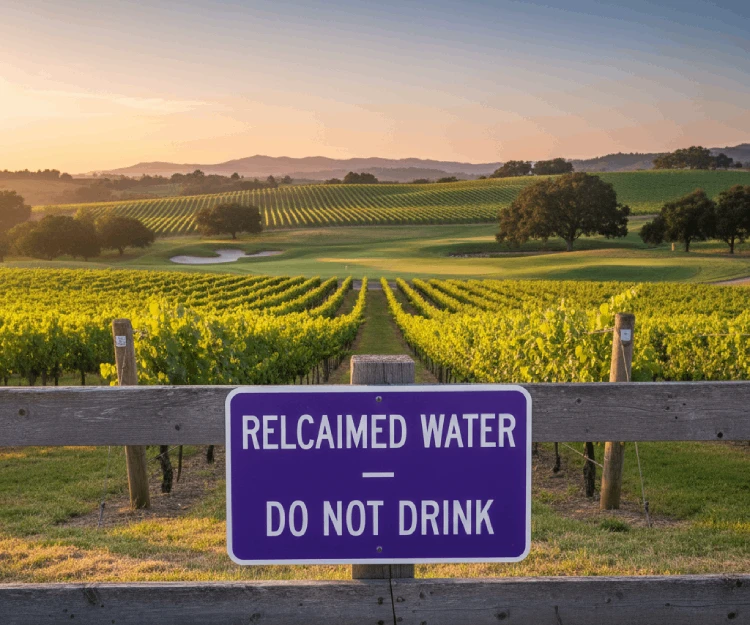
In many jurisdictions, specifically in drought-prone regions, the law mandates the use of specific colors and text to identify non-potable sources. The universal color for recycled water is purple. This distinct hue acts as a visual warning, signaling to anyone on-site that the water is not safe for drinking or bathing.
Installing high-quality recycled water signs is a non-negotiable step for any commercial project. These signs must be weather-resistant and highly visible to withstand the elements while remaining legible for years. By sourcing these materials from reputable vendors such as Irrigation Tag Supply, contractors ensure that their projects remain compliant with local codes and state health department requirements.
The Benefits of Professional-Grade Signage
Selecting the right materials for your identification needs involves more than just picking a color. The environmental conditions of an irrigation site are harsh. Constant exposure to UV rays, moisture, and soil chemicals can degrade inferior plastics quickly.
- Longevity: High-density plastics and treated metals prevent fading and cracking.
- Clarity: Bold, engraved, or embossed lettering ensures that instructions are readable even when covered in light dust or debris.
- Safety: Proper labeling prevents the accidental use of non-potable water for cleaning or cooling.
By investing in wholesale irrigation supplies, large-scale managers can standardize their entire property. This consistency helps staff move between different zones of a property without having to relearn the system's layout, saving time and reducing the margin for error.
Best Practices for Installation and Maintenance
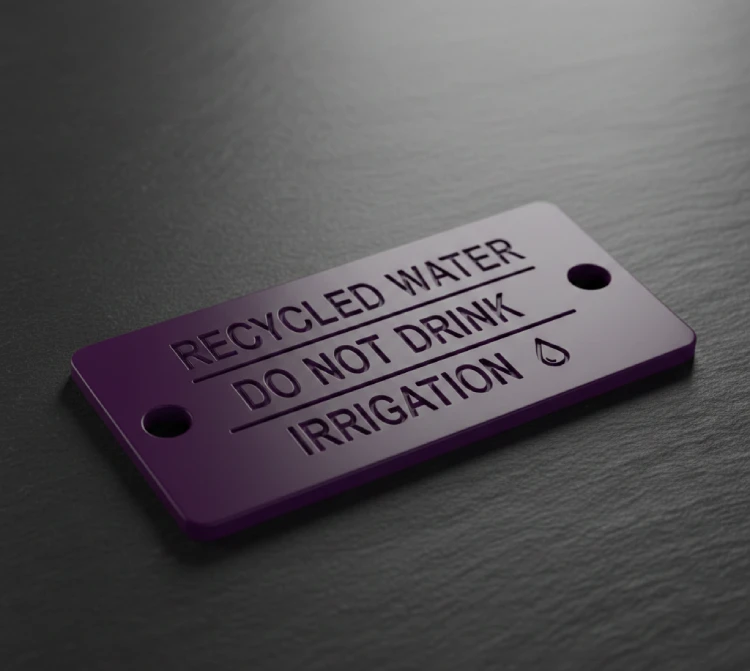
To maximize the effectiveness of your identification system, placement is key. Signs should be located at every point of access, including hose bibbs, valve boxes, and perimeter fences. It is also wise to use custom engraved valve tags for specific zone identification. This level of detail allows for precise control over the irrigation schedule and makes troubleshooting individual zones much simpler during the peak growing season.
Regular audits of your signage are also recommended. Over time, landscaping can grow over signs, or hardware can become loose. A quick seasonal check ensures that all safety markers remain visible and secure.
Protecting the Public and the Environment
The ultimate goal of any water management professional is to create a safe environment while maximizing resource efficiency. As the industry continues to move toward more complex reclaimed systems, the reliance on visual cues will only grow. Clear communication through recycled water signs ensures that the benefits of water reuse are realized without compromising the safety of the community or the workers who maintain the grounds.
When we prioritize these small details, we contribute to a more sustainable and professional industry. To maintain this standard over the long term, professionals rely on durable irrigation tags that can withstand burial in valve boxes or constant exposure to high-pressure spray. Whether you are managing a municipal park or a private residential development, the commitment to clear labeling is a hallmark of quality work.