
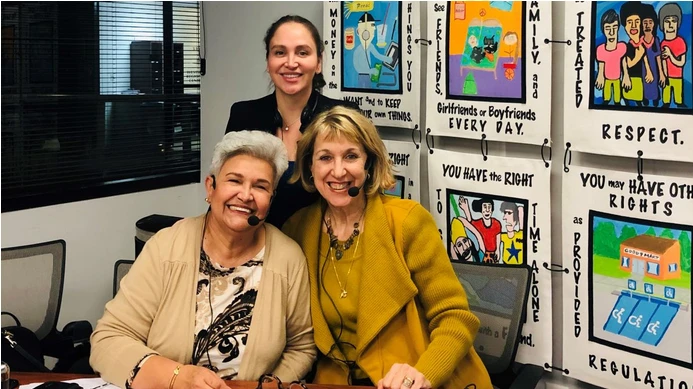
In today’s diverse educational landscape, translation services for schools are becoming increasingly essential. With more non-English speaking and hearing-impaired students, schools are challenged to create inclusive learning environments. This article explores how translation and interpretation services, including American Sign Language (ASL), can help schools promote diversity, improve communication, and enhance student outcomes.
The Importance of Language Accessibility in Schools
Language accessibility ensures that all students and their families have equal opportunities to thrive. By adopting effective translation services, schools bridge communication gaps between educators, students, and families. This approach supports non-English speaking families while enriching the overall educational experience.
Why Translation Services Matter
- Facilitating Diverse Learning Environments
- Schools reflect the multicultural nature of society. Offering translation services fosters inclusivity, making every student feel valued and understood. This positively impacts engagement and student morale.
- Supporting Non-English Speaking Families
- Families who are not fluent in English often struggle to stay informed about school matters. Translation services provide access to crucial information—report cards, announcements, and event updates—in their native language, fostering collaboration between families and schools.
- Enhancing Student Learning Outcomes
- Parental involvement is strongly linked to academic success. By eliminating language barriers, translation services empower families to participate actively in their child’s education, leading to improved student performance and overall well-being.
How Schools Can Implement Effective Translation Services
To maximize the benefits of translation services, schools can adopt the following strategies:
Conduct a Needs Assessment
Identify the languages spoken by students and their families. Understanding your school community’s linguistic landscape helps tailor translation services effectively.
Partner with Professional Translation Providers
Collaborating with certified translation and interpretation services ensures accurate and reliable communication. Providers can offer document translation, in-person interpretation, and ASL services tailored to educational settings.
Utilize Technology
Digital tools and platforms now provide real-time translation, making communication seamless and efficient. Integrating these technologies can improve accessibility for students and families alike.
Train Staff and Educators
Beyond translation services, training educators on cultural competency and language diversity enhances communication and educational outcomes. Understanding students’ cultural and linguistic backgrounds allows teachers to provide more personalized support.
Building Community Through Language Services
Prioritizing language accessibility strengthens school communities. Translation services encourage collaboration among educators, students, and families, fostering a supportive and inclusive educational environment.
Future Trends in Educational Translation Services
- Increased Use of AI and Machine Learning
- AI-powered translation tools are becoming more advanced, providing instant and accurate translations. Their use in schools is expected to expand.
- Focus on Cultural Competency
- Future services will increasingly emphasize understanding cultural nuances, equipping educators with knowledge beyond mere language translation.
- Expansion of ASL and Other Sign Language Services
- Awareness of the needs of hearing-impaired students is growing, driving higher demand for ASL and other sign language services in educational institutions.
Conclusion
Translation services for schools are not just a convenience—they are vital for fostering inclusivity and equity. By implementing these services, schools can support non-English speaking and hearing-impaired students, improve learning outcomes, and strengthen community engagement. As educational needs evolve, continued innovation and expansion of translation services will be crucial in addressing the diverse requirements of today’s students.