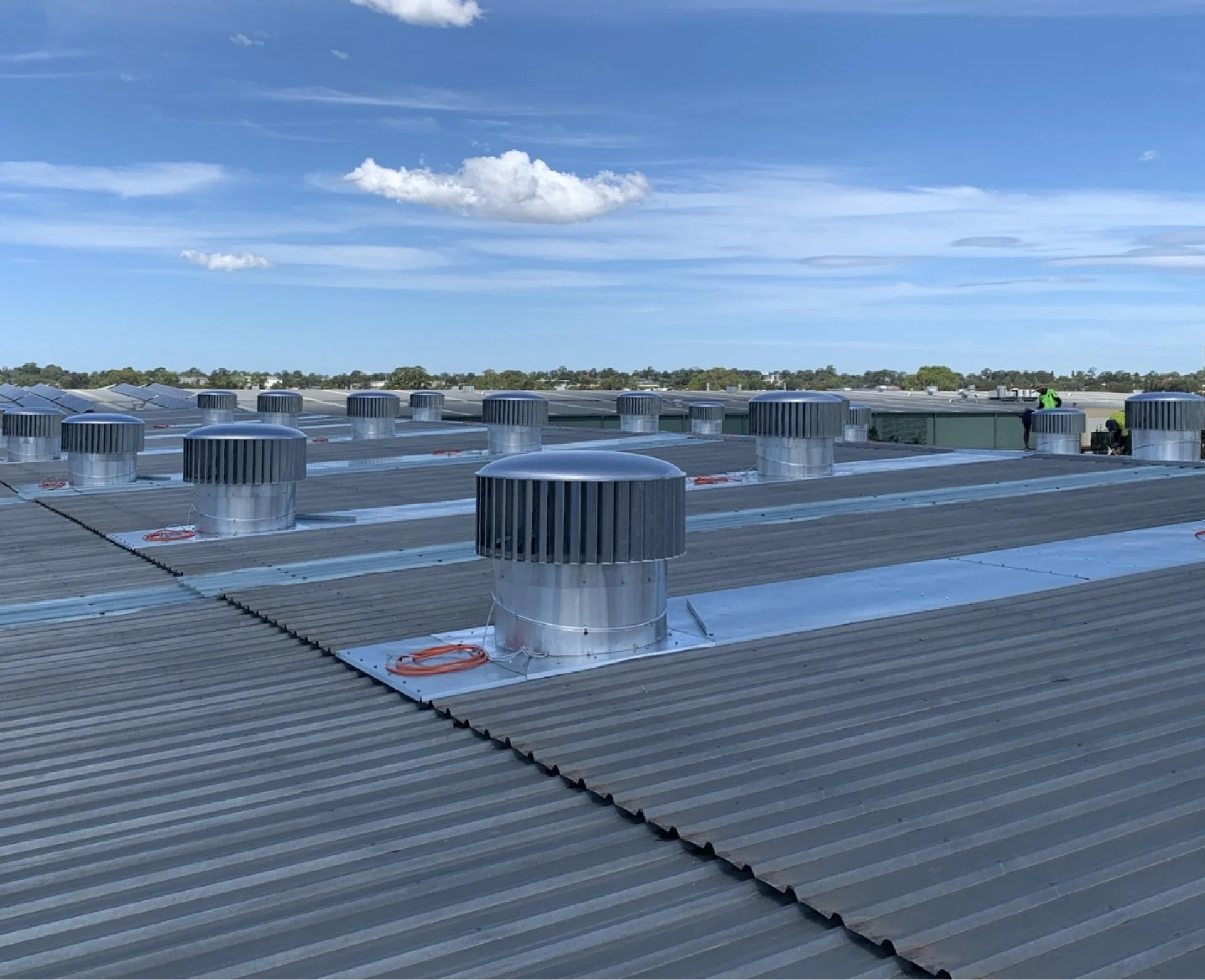
In today’s industrial and commercial environments, maintaining optimal indoor air quality is not just a matter of comfort but a critical factor in ensuring health, safety, and regulatory compliance. Commercial exhaust and ventilation systems play a vital role in managing indoor air pollutants, controlling humidity, and maintaining thermal comfort in various facilities, including restaurants, factories, hospitals, and office buildings. This article explores the importance, components, types, and benefits of commercial exhaust and ventilation systems.
What Are Commercial Exhaust and Ventilation Systems?
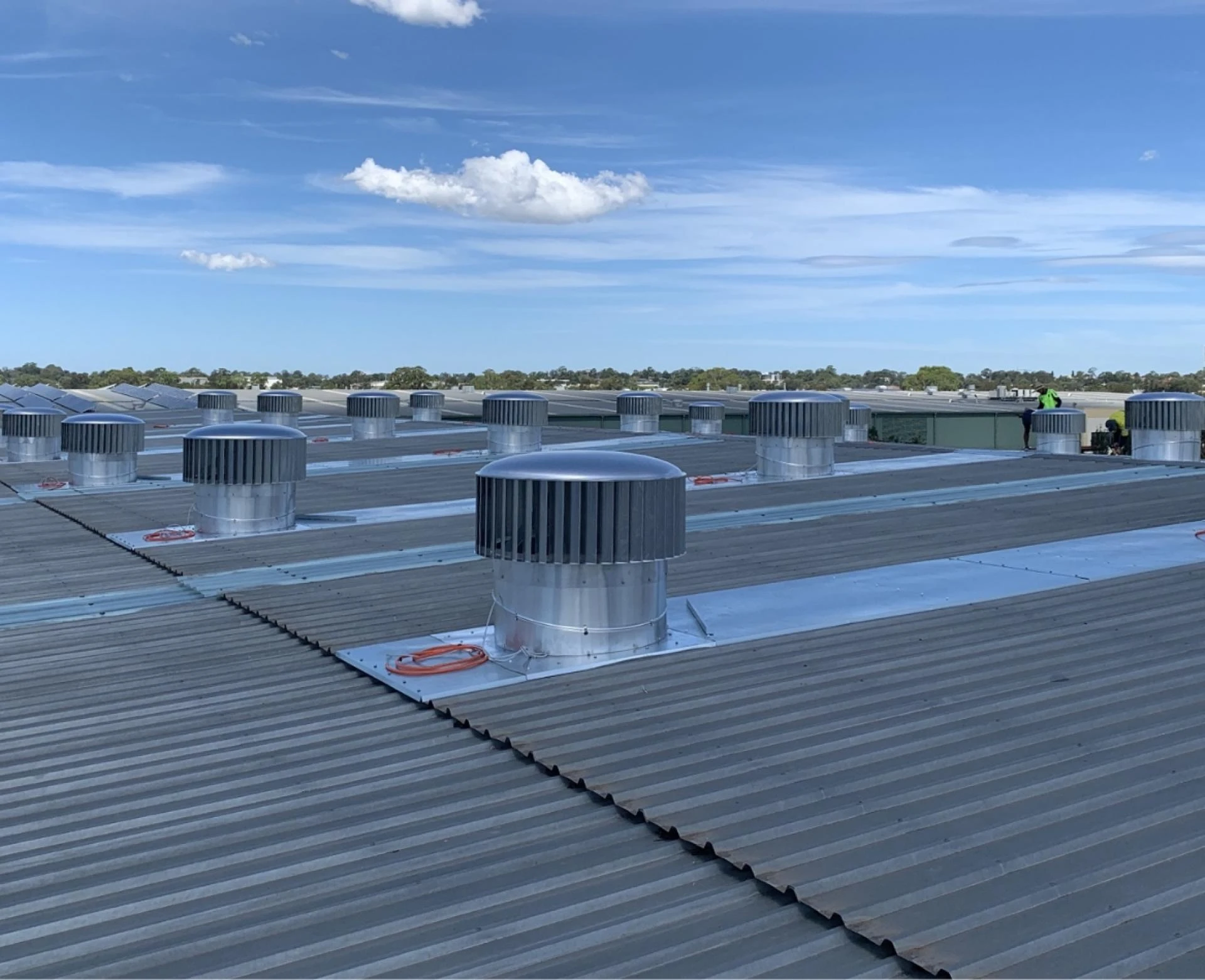
Commercial exhaust and ventilation systems are mechanical setups designed to remove stale, contaminated, or hot air from interior spaces and replace it with fresh, clean air from the outside. These systems help regulate air temperature, remove airborne contaminants, and maintain balanced indoor pressure. Ventilation systems may work alongside heating, ventilation, and air conditioning (HVAC) systems or operate independently depending on the application.
Key Components of Ventilation Systems
Effective commercial ventilation systems typically consist of several integral components, including:
- Exhaust Fans: These are responsible for extracting unwanted air, smoke, odors, and heat.
- Air Ducts: A network of passageways that transport air in and out of the building.
- Makeup Air Units (MAUs): These units replace the air being exhausted to maintain air pressure balance.
- Filtration Units: Filters remove dust, allergens, and particulates from incoming air.
- Control Systems: These regulate airflow, temperature, and system timing for optimal performance.
Each component must be appropriately sized and configured for the specific commercial application to ensure efficiency and compliance with safety standards.
Types of Commercial Ventilation Systems
Commercial ventilation systems vary based on the building’s purpose, occupancy, and environmental demands. Some common types include:
- General Ventilation Systems: Used in office buildings, schools, and retail stores to provide fresh air and maintain comfort.
- Local Exhaust Systems: Typically found in commercial kitchens, laboratories, and workshops to remove contaminants at the source.
- Natural Ventilation: Uses architectural features like operable windows and vents to facilitate airflow without mechanical systems. It’s cost-effective but less precise.
- Mechanical Ventilation: Employs fans and ductwork to ensure consistent and controlled airflow, suitable for most commercial applications.
Applications in Various Industries
- Restaurants and Commercial Kitchens
- Grease, smoke, and cooking odors can compromise air quality and pose fire risks. Specialized kitchen exhaust hoods and duct systems ensure that contaminants are effectively removed from the cooking area.
- Manufacturing and Warehousing
- These environments generate dust, fumes, and heat. High-performance ventilation systems keep indoor conditions safe for workers and protect equipment from overheating or contamination.
- Healthcare Facilities
- Ventilation in hospitals and clinics is essential for infection control. Systems are designed to maintain sterile air conditions and support HEPA filtration to eliminate pathogens.
- Office Spaces
- Poor indoor air quality can impact employee health and productivity. Ventilation systems that provide a steady flow of filtered, fresh air contribute to occupant well-being.
Benefits of Proper Exhaust and Ventilation Systems
- Improved Air Quality: Removing pollutants like VOCs, carbon monoxide, and dust creates a healthier environment.
- Regulatory Compliance: Meeting local building codes and occupational safety standards is critical for legal operation.
- Energy Efficiency: Modern systems are designed to balance performance with energy consumption, often integrating heat recovery units.
- Odor Control: Essential in facilities like restaurants and gyms to maintain a pleasant environment.
- Humidity Management: Helps prevent mold growth, equipment rusting, and structural damage.
Maintenance and Best Practices
To ensure longevity and efficiency, commercial ventilation systems must be regularly maintained. This includes:
- Routine filter replacement
- Cleaning ducts and fans
- Inspecting belts and motors
- Ensuring sensors and control systems are calibrated
Businesses should also schedule periodic professional inspections to address any inefficiencies and remain up to date with new ventilation standards and technologies.
Conclusion
Investing in a reliable commercial exhaust and ventilation system is essential for businesses seeking to protect the health of occupants, improve operational safety, and ensure environmental comfort. As regulations grow stricter and awareness of indoor air quality increases, having an efficient, well-maintained system is not a luxury but a necessity. Whether running a busy kitchen or a large-scale warehouse, choosing the right ventilation solution can make a significant difference in productivity, compliance, and sustainability