In the high-speed, high-cost construction world of New York City, there’s zero room for error. Materials cost a fortune. Timelines are tight. Mistakes? Yeah, they’re expensive. That’s why more local contractors and architects are switching gears—leaning into digital tools to boost accuracy when measuring construction materials.
Gone are the days of guesswork and guesstimates. Today’s professionals are trading in notepads for tablets and measuring tapes for 3D scanners. And honestly, it’s not just cool—it’s becoming essential.
The Real Cost of Getting It Wrong
Ever over-ordered rebar? Or maybe underestimated drywall? NYC’s building scene doesn’t forgive those kinds of slip-ups. A miscalculation can delay a project by days—or worse, cause budget overruns that ripple through every phase.
Digital tools help prevent that. They calculate with precision. And that means fewer mistakes, less waste, and way fewer angry client calls.
Let’s break it down a bit:
- Laser measurement tools eliminate manual errors.
- Project management software links estimates directly to live blueprints.
- Cloud-based takeoff platforms help contractors collaborate in real time, even across boroughs.
That level of accuracy? It's a game-changer, especially when juggling permits, labor crews, and deadlines on tight Manhattan lots.
Why Rebar Takeoff Accuracy Matters More Than Ever
Alright, let’s zoom into something specific—rebar takeoff. If you’re working on foundations, columns, or any structural element, you know rebar isn’t something to eyeball. Even small miscounts can snowball fast.
In NYC, with high-rise buildings and strict codes, precision is a must. Digital takeoff tools calculate rebar length, spacing, and overlap. They pull data straight from BIM models or CAD drawings. That means your numbers are based on real design files—not hand-drawn notes.
And if you’re bidding on city contracts? Having airtight measurements can actually help you win those bids. Why? You can prove cost efficiency without inflating estimates to cover risk.
Local Builders Are Already Embracing the Tech
This isn’t theoretical. Many NYC construction firms have already upgraded. Some use apps like PlanSwift and Bluebeam. Others have jumped onto platforms like STACK or Autodesk Takeoff.
Take Queens-based contractor Rivas Build Group—they shifted to digital estimating tools in 2023. The result? Their material overruns dropped by nearly 18% in the first six months.
And then there’s the case of a small Brooklyn-based crew that cut back wasted lumber simply by switching to digital blueprint syncing. They started finishing jobs ahead of schedule. That’s the kind of local success story clients love to hear.
How Digital Helps Onsite, Too
Digital tools aren’t just for the office. Onsite, they can:
- Reduce back-and-forth phone calls to the office
- Let field crews view real-time updates on iPads
- Flag measurement conflicts instantly
No more reprinting blueprints every time the architect makes a tweak. Real-time syncing saves time, paper, and confusion.
And in NYC? That agility is gold. Weather delays, zoning hiccups, traffic—it all adds up. But when your team’s plugged in, you adapt quicker.
Keeping Projects Compliant and Transparent
In a regulated environment like NYC construction, documentation is everything. Digital measurement tools generate audit trails. So when inspectors, investors, or city officials want proof of what was ordered, used, or changed—you’ve got it.
That’s peace of mind. And it makes those nerve-wracking inspection days way smoother.
The Green Bonus: Cutting Down on Waste
Accuracy doesn’t just save money—it’s better for the planet. Less material waste means fewer deliveries, less fuel burned, and fewer scraps heading to the landfill.
In a city pushing green building initiatives, that’s a big plus. LEED points and local green incentives often reward efficient material use. Digital takeoffs help you stay on track.
A Note on Fiberglass Rebar and Other Modern Materials
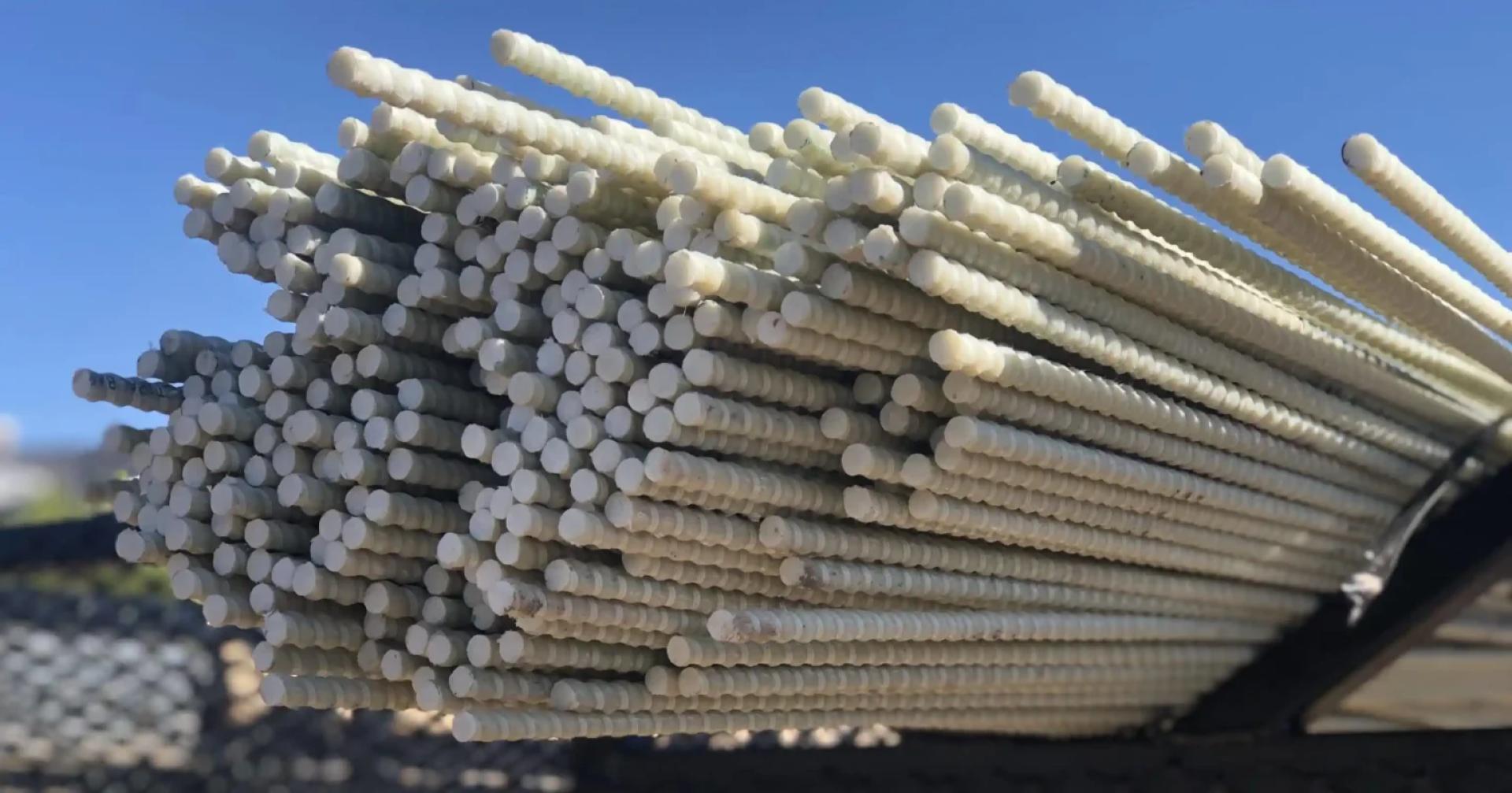
Let’s not forget about fiberglass rebar. More NYC crews are using it, especially in areas with high corrosion risk—like near the rivers or coastal projects.
It’s lighter, resistant to rust, and great for longevity. But it also needs accurate planning—fiberglass rebar can’t be cut and bent like steel. So precise digital planning is crucial to avoid expensive ordering mistakes.
Local suppliers like NYC Fibersource have started offering pre-cut fiberglass options based on digital plans submitted by builders. It’s changing the game.
Final Thoughts: Digital Isn’t Optional Anymore
In the NYC construction scene, going digital isn’t a bonus—it’s survival. Between rising costs, stricter codes, and tighter timelines, accuracy is non-negotiable.
From rebar takeoff to project audits, the tools are here. And they’re making work faster, leaner, and smarter.
If you’re still relying on manual math and paper sketches? It might be time to rethink. Because in this city, precision isn’t a perk—it’s the standard.