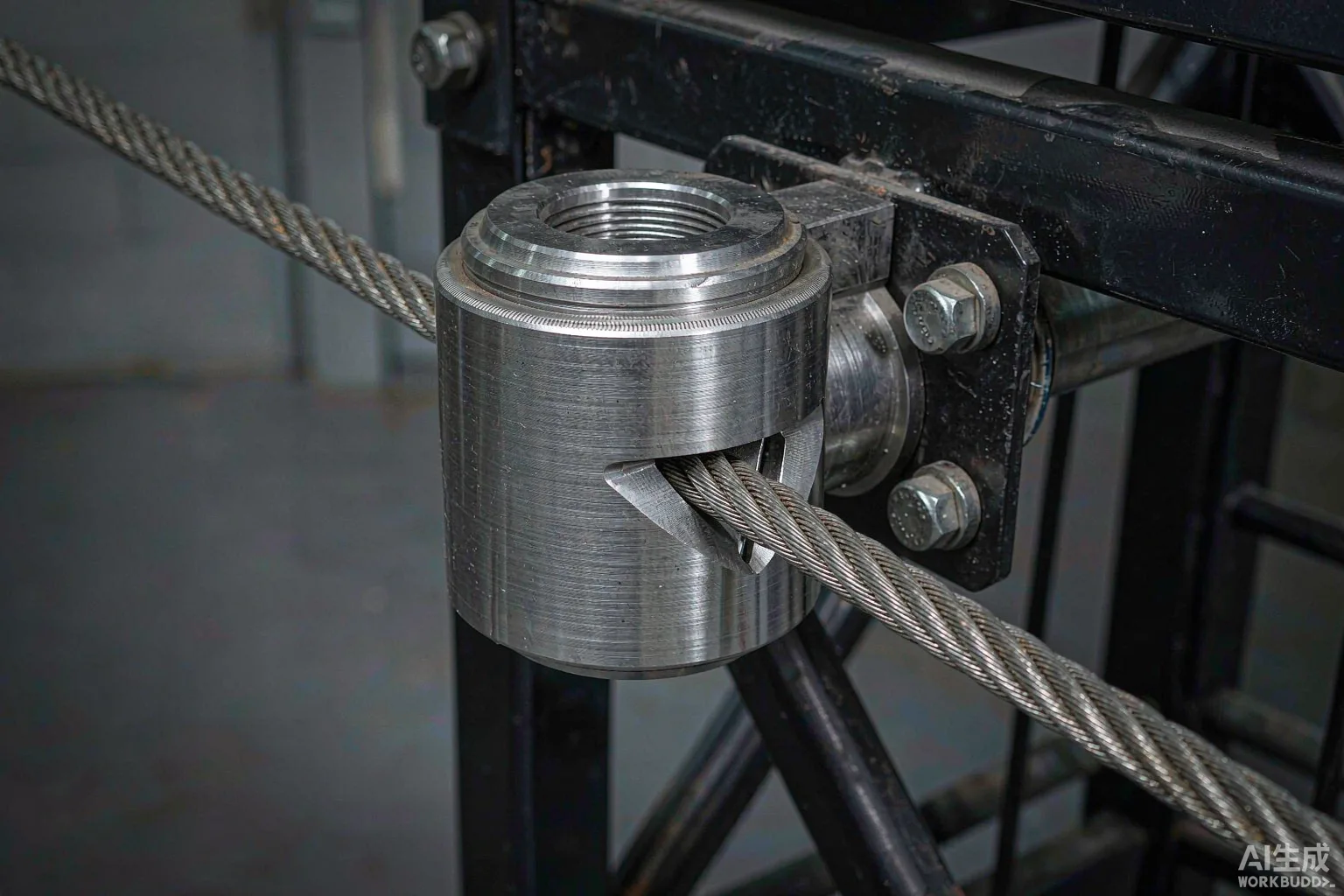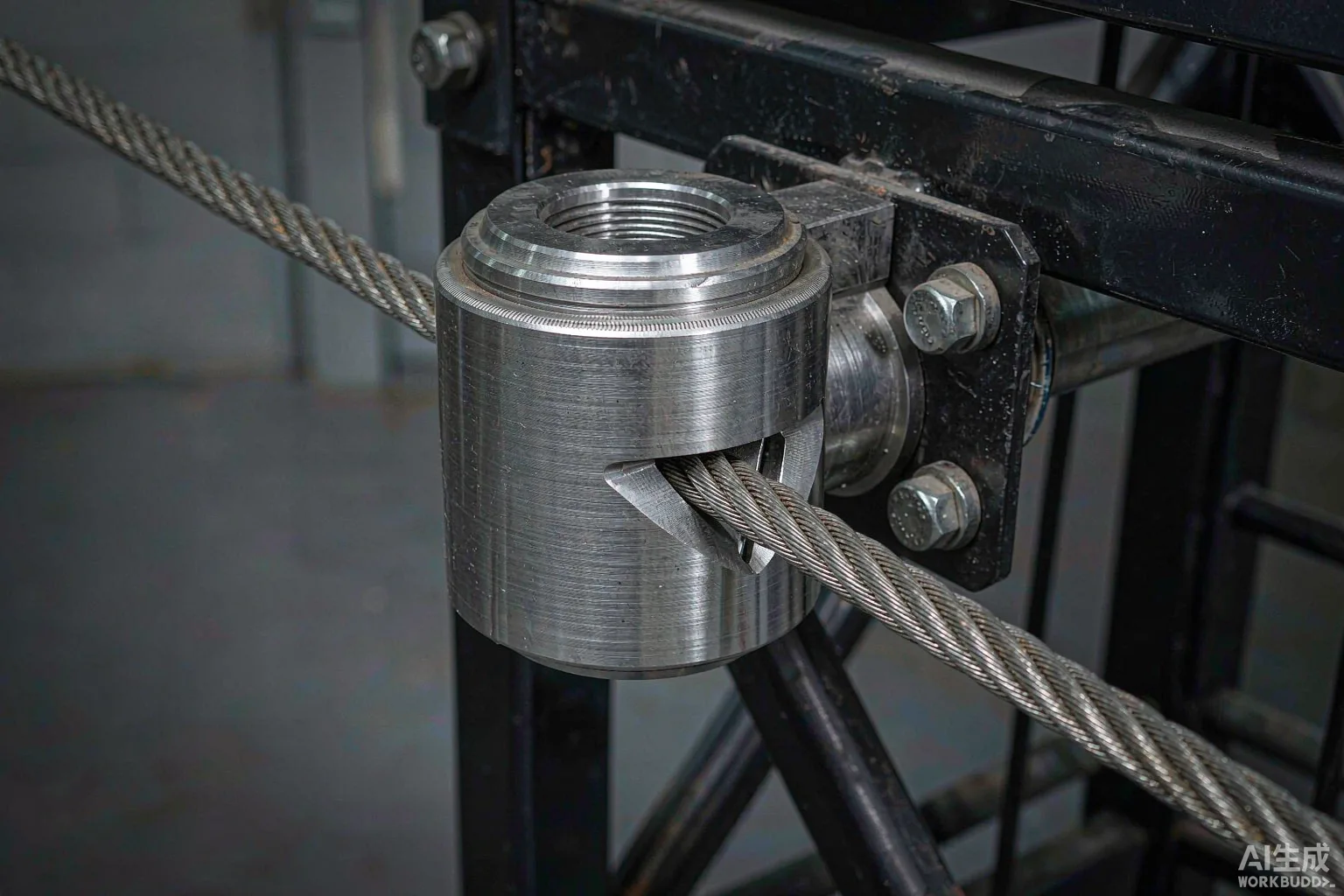
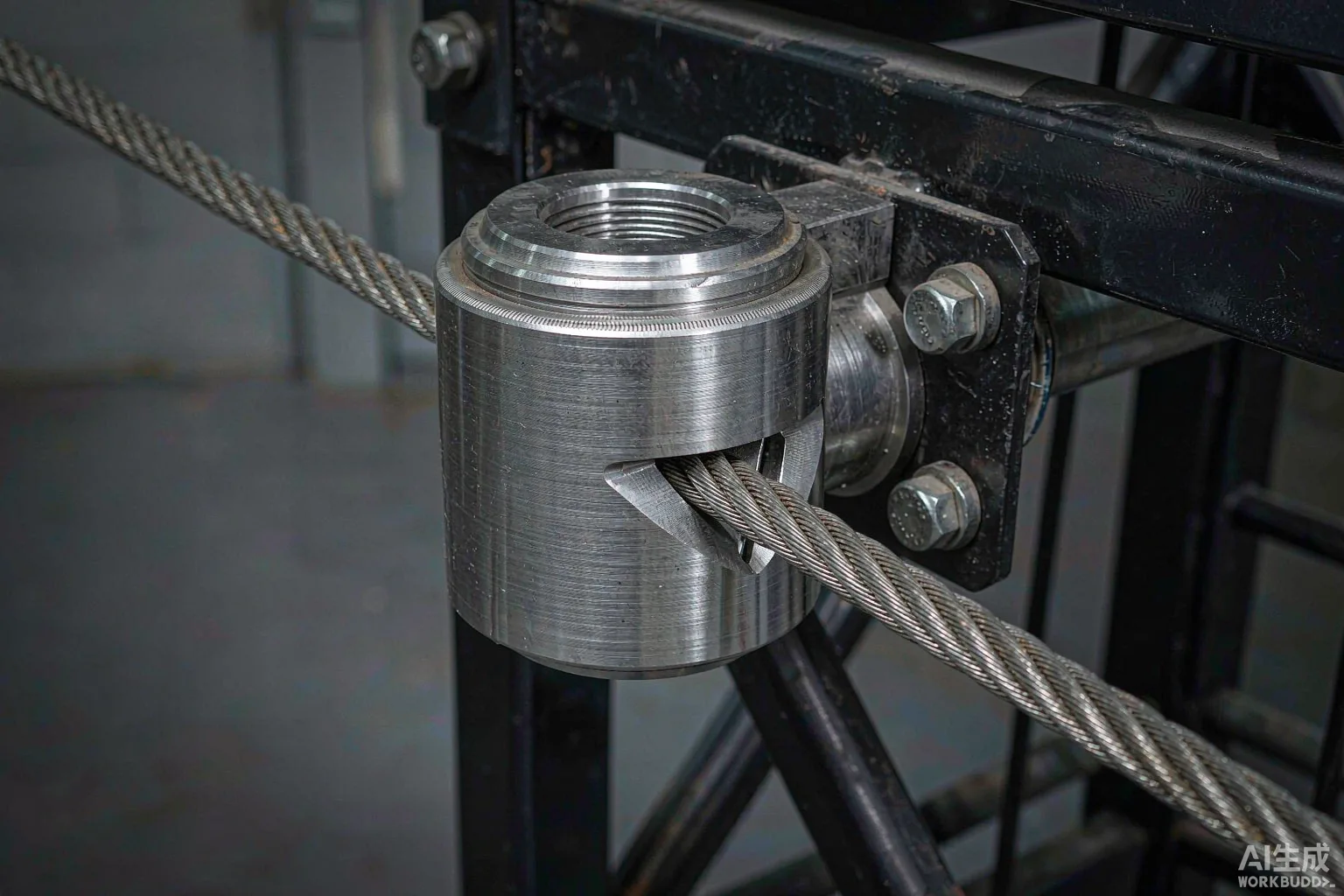
Engineering Applications of Chromium Coated Hollow Steel Bar in Modern Structures
The integration of hollow steel bar technology with advanced surface treatment represents a significant advancement in structural engineering materials. Chromium coating transforms the base hollow steel bar into a component that combines structural functionality with environmental protection. This comprehensive examination explores the mechanical properties, design methodologies, and diverse engineering applications of chromium coated hollow steel bar systems in contemporary construction and manufacturing.
Structural Performance Characteristics
The intrinsic geometry of the hollow steel bar provides superior torsional strength compared to solid bars of equivalent weight and material. Polar moment of inertia calculations demonstrate that hollow sections resist twisting forces more effectively, making them ideal for drive shafts, torsion bars, and structural columns subjected to cyclic loading.
Tensile strength values typically range from 400 MPa to 1800 MPa depending on heat treatment and alloy composition. The chromium coating adds negligible thickness while providing a hard surface that resists fretting wear at contact points. This wear resistance is particularly valuable in applications involving vibration, thermal cycling, or repeated mechanical contact.
Design for Pressure Containment and Fluid Transport
Hollow steel bar applications frequently involve pressure containment or fluid conveyance through the internal void. The hollow steel bar is designed with appropriate wall thickness to withstand internal pressure according to ASME Boiler and Pressure Vessel Code criteria. Hydrostatic testing verifies containment performance before deployment in critical systems.
The internal diameter can range from small capillary sizes (1mm) to large diameters (>100mm) depending on application. Surface finish inside the hollow bore affects fluid flow characteristics and pressure drop calculations. Chromium coating may be applied internally (internal plating) for specialized fluid handling, or externally for general applications.
Corrosion Protection Mechanisms
Chromium forms a passive oxide layer that acts as a barrier against corrosion. In saltwater environments, the hollow steel bar exhibits minimal corrosion rate measured in microns per year. This protection extends service life dramatically compared to untreated steel, eliminating maintenance cycles involving repainting or protective wrapping.
For chemical processing equipment, chromium coated hollow steel bar resists attack from acids, bases, and solvents. pH testing shows stable performance across ranges from pH 1 to 14 at elevated temperatures. The coating's adhesion to substrate steel ensures protection remains intact during thermal expansion and contraction cycles.
Industrial Equipment Applications
Manufacturing equipment utilizes chromium coated hollow steel bar for precision components requiring both strength and wear resistance. CNC machine tool spindles, hydraulic cylinder rods, and pneumatic actuators frequently employ these materials. The hollow design allows for coolant passage or wiring inside structural members, improving machine tool design integration.
The automotive industry specifies hollow steel bar for suspension components, chassis members, and engine mounts. Weight reduction improves fuel efficiency while maintaining structural integrity. Medical device manufacturers specify chromium coated hollow steel bar for surgical instruments, diagnostic equipment, and implantable devices where biocompatibility and precision are non-negotiable requirements.
Fabrication and Joining Considerations
Thermal processing of chromium coated hollow steel bar requires careful temperature control to prevent coating degradation. Annealing temperatures below 300°C preserve chromium properties while allowing necessary stress relief. Heat treating above 400°C risks coating discoloration or delamination, necessitating specialized furnace atmospheres.
Cutting methods including laser cutting, plasma cutting, and abrasive cutting must account for heat-affected zones. Post-cut cleaning removes any coating damage, followed by re-plating if corrosion protection is required at cut edges. Threading operations achieve precise tolerances through CNC machining, with chromium surface providing superior thread wear resistance.
Quality Assurance and Testing Protocols
Standardized testing protocols verify both base material properties and coating characteristics. Metallurgical examination includes grain structure analysis, hardness mapping, and impact testing at various temperatures. Coating adhesion tests using ASTM D3359 or similar standards ensure coating integrity under service conditions.
The hollow steel bar undergoes pressure testing at 1.5 times maximum operating pressure as a final quality check. Non-destructive examination includes ultrasonic testing for internal defects and magnetic particle inspection for surface cracks. These tests ensure the component meets or exceeds design pressure requirements across specified temperature ranges.
Environmental and Sustainability Aspects
Chromium coated hollow steel bar is 100% recyclable, contributing to circular economy principles in manufacturing. Steel's infinite recyclability preserves raw material value, while chromium coating does not impede recycling processes. Remelting procedures successfully recover both base steel alloy and chromium content. Long service life reduces replacement frequency, minimizing waste generation.
Quality assurance in modern production facilities incorporates automated vision systems for surface defect detection and dimensional measurement. Real-time data collection and statistical process control enable early identification of manufacturing variations. Advanced metrology with coordinate measuring machines provides sub-millimeter accuracy verification for critical dimensions.
Future Development Directions
Research focuses on advanced chromium alloys and nanostructured coating technologies that enhance performance characteristics. Smart hollow steel bar systems integrate sensors within the internal void for real-time condition monitoring. Additive manufacturing enables complex internal geometries that traditional drawing processes cannot achieve, opening new design possibilities for specialized engineering solutions and high-performance applications across multiple sectors. The continued evolution of the hollow steel bar design philosophy integrates computational modeling and machine learning algorithms to optimize material usage while meeting increasingly stringent performance requirements for next-generation industrial applications. The integration of digital twin technology allows predictive maintenance of hollow steel bar components, ensuring maximum uptime and reliability throughout the operational lifecycle of critical systems. The convergence of surface engineering and structural design continues to push the boundaries of what is possible with the hollow steel bar in modern industrial applications worldwide. Ongoing research into sustainable manufacturing processes ensures the hollow steel bar remains the preferred choice for high-performance structural solutions across diverse markets globally. Advanced surface treatment technologies for the hollow steel bar continue to evolve, providing enhanced performance and longevity in the most demanding industrial environments.