Maintaining clean teeth and healthy gums involves more than brushing twice a day. Although a good home-care routine is essential, plaque can build up in areas that are difficult to reach, particularly around the gumline and between teeth. Over time, this build-up can contribute to gum inflammation, unpleasant breath and other oral health concerns. Regular professional cleaning helps remove deposits that everyday brushing and flossing may leave behind.
At Sheffield Smiles, dental hygiene appointments help patients look after their teeth and gums through professional cleaning and personalised oral health advice. Modern cleaning techniques can make hygiene visits more comfortable while helping patients maintain a fresher, cleaner mouth. Understanding how these treatments work can help you make informed decisions about your ongoing dental care.
What EMS Hygiene and How Does It Work?
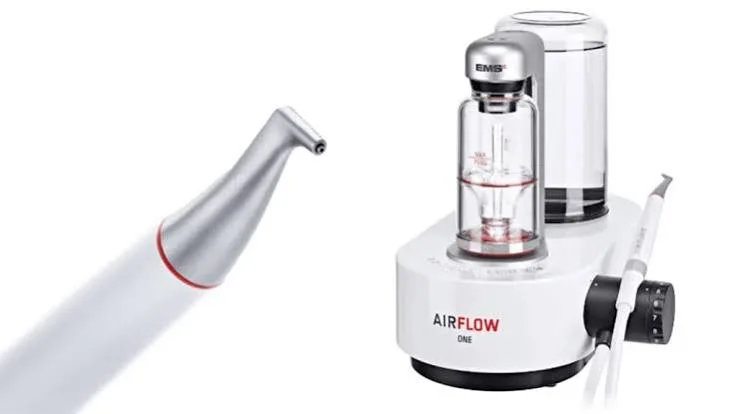
EMS hygiene involves using modern dental cleaning technology to help remove plaque, bacterial biofilm and surface stains from teeth. EMS equipment is commonly associated with Guided Biofilm Therapy, a structured approach to professional cleaning that focuses on identifying and removing biofilm before addressing any remaining hardened deposits where necessary.
Biofilm is a layer of bacteria that naturally develops on the surfaces of teeth and around the gums. If it is not removed regularly, it can contribute to gum inflammation and tooth decay. As the deposits mature, some plaque hardens into tartar, which cannot be removed effectively with a toothbrush alone.
The cleaning process is tailored to the condition of your teeth and gums. Your dental hygienist can assess your oral health, identify areas that need attention and recommend an appropriate approach. This helps make the appointment more specific to your needs rather than relying on the same cleaning method for every patient.
How Guided Biofilm Therapy Supports Oral Health
Guided biofilm therapy is a systematic method of professional dental cleaning. It is designed to help dental professionals identify bacterial deposits and remove them carefully while considering the condition of the teeth, gums and any dental restorations.
The process may involve applying a disclosing solution that makes biofilm easier to see. This allows the hygienist to identify areas where plaque has accumulated, including places that might otherwise be overlooked during cleaning.
Specialist airflow equipment can then be used to remove biofilm and certain surface stains from suitable tooth surfaces. If hardened tartar remains, the hygienist may use additional instruments to remove it. The exact procedure depends on your oral health assessment.
This approach can be particularly helpful for patients who wear braces, have dental implants or find it difficult to clean certain areas thoroughly at home. Your hygienist will explain which techniques are appropriate for your circumstances and whether any additional treatment is needed.
The Benefits of Professional Teeth Cleaning
Even with careful brushing and daily interdental cleaning, some deposits can remain around the gumline and in difficult-to-reach spaces. Professional cleaning helps address these areas and gives your dental team an opportunity to monitor your oral health.
One important benefit is plaque and tartar removal. Keeping bacterial deposits under control can help reduce the risk of gum inflammation and support healthier gums over time. Cleaning can also remove certain external stains caused by foods, drinks and everyday habits, helping teeth feel smoother and look cleaner.
Another benefit is fresher breath. Persistent bad breath can have several causes, but bacterial deposits around teeth and gums may contribute to the problem. Removing these deposits and improving your home-care routine may help.
Your hygienist can also identify areas where brushing technique, flossing or interdental cleaning could be improved. Personalised guidance makes it easier to maintain the results of your appointment between visits.
Who May Benefit from EMS Dental Cleaning in Sheffield?
EMS-based cleaning may be suitable for many adults who want to maintain good oral hygiene. It can be useful for people who experience plaque accumulation, surface staining or difficulty cleaning around dental work.
Patients with braces, crowns, bridges or implants may need additional guidance to keep these areas clean. Those who have previously experienced gum problems may also benefit from a carefully planned hygiene programme. However, the appropriate treatment and frequency of appointments will depend on individual needs.
If you have sensitive teeth, bleeding gums or a history of periodontal disease, let your hygienist know before treatment begins. They can assess your mouth and adjust the cleaning approach where appropriate.
A professional appointment is not simply about making teeth feel clean on the day. It also provides an opportunity to identify potential problems early and establish a practical plan for maintaining oral health.
What to Expect During Your Hygiene Appointment
A hygiene visit generally begins with an assessment of your teeth and gums. Your dental professional will ask about any concerns, such as sensitivity, bleeding, discomfort or difficulty cleaning particular areas.
The hygienist will then determine which deposits need to be removed and select suitable cleaning techniques. Depending on your condition, the appointment may include biofilm removal, tartar removal and polishing. You may also receive advice about brushing, interdental brushes, flossing and other home-care products.
Some patients experience temporary sensitivity during or after cleaning, especially if their gums are inflamed or their teeth have exposed root surfaces. If you feel discomfort, tell your hygienist so they can adapt the procedure where possible.
After the appointment, following the advice you receive can help maintain a cleaner mouth. Regular check-ups and hygiene visits also allow your dental team to monitor changes and recommend further care when needed.
Dental Hygiene in Sheffield: Maintaining Results at Home
A professional cleaning appointment works best when combined with consistent daily care. Brush your teeth twice a day with fluoride toothpaste and clean between your teeth daily using floss or suitable interdental brushes. Pay particular attention to the gumline, where plaque can collect unnoticed.
Limit frequent sugary snacks and drinks, and drink water regularly. If you smoke, consider seeking support to stop, as smoking can increase the risk of gum disease and affect healing.
The right interval between hygiene appointments varies from person to person. Some people may need more frequent visits because of gum disease, heavy tartar build-up or other risk factors, while others may need less intensive maintenance. Your dental professional can recommend a suitable schedule based on your oral health.
Why Choose Sheffield Smiles for Your Hygiene Care?
Sheffield Smiles provides dental hygiene and gum health appointments alongside general dental care. The practice focuses on assessing patients' needs, removing plaque and tartar, and offering practical advice to support everyday oral health.
For people considering professional teeth cleaning, an appointment provides an opportunity to discuss concerns, understand the available techniques and receive guidance suited to their mouth. The dental team can also explain whether additional gum treatment or a different cleaning approach would be beneficial.
Choosing a hygiene appointment is a practical step towards maintaining your natural teeth and addressing problems before they become more complicated. Consistent professional care, combined with effective daily cleaning, can make a meaningful difference to long-term oral health.
Frequently Asked Questions
1. What is EMS hygiene?
It refers to professional dental cleaning using EMS technology to help remove bacterial biofilm and certain surface stains. The treatment may form part of a Guided Biofilm Therapy appointment.
2. Is EMS dental cleaning Sheffield suitable for sensitive teeth?
It may be suitable for some patients with sensitive teeth, but the approach should be tailored to their needs. Tell your hygienist about sensitivity before treatment so they can assess your teeth and discuss suitable options.
3. What is Guided Biofilm Therapy?
Guided Biofilm Therapy is a structured cleaning approach that helps dental professionals identify and remove bacterial biofilm. Depending on the patient's needs, additional instruments may be used to remove hardened tartar.
4. How often should I have professional teeth cleaning?
The recommended frequency depends on your oral health, plaque accumulation and gum condition. Your dentist or hygienist can advise whether annual or more frequent appointments are appropriate.
5. Can dental hygiene treatment help with bad breath?
It can help when bad breath is associated with plaque, tartar or gum problems. Persistent bad breath may have other causes, so a dental assessment is advisable if the problem continues.
6. Is professional cleaning enough to prevent gum disease?
Professional cleaning helps control plaque and tartar, but it cannot guarantee that gum disease will never develop. Daily oral hygiene, regular dental examinations and personalised maintenance are also important.
Conclusion: Take the Next Step Towards Healthier Gums
Looking after your teeth means paying attention to the areas that everyday brushing may miss. Modern hygiene techniques, professional assessment and a consistent home-care routine can help control plaque, reduce deposits and support healthier gums. The most suitable treatment depends on your individual oral health, which is why regular dental guidance matters.
If you are considering dental hygiene Sheffield services, contact Sheffield Smiles to discuss your needs and arrange a hygiene appointment. The team can help you understand your cleaning options and recommend a suitable approach for maintaining a cleaner mouth and healthier gums. Take the next step towards better oral health by arranging your visit today.