
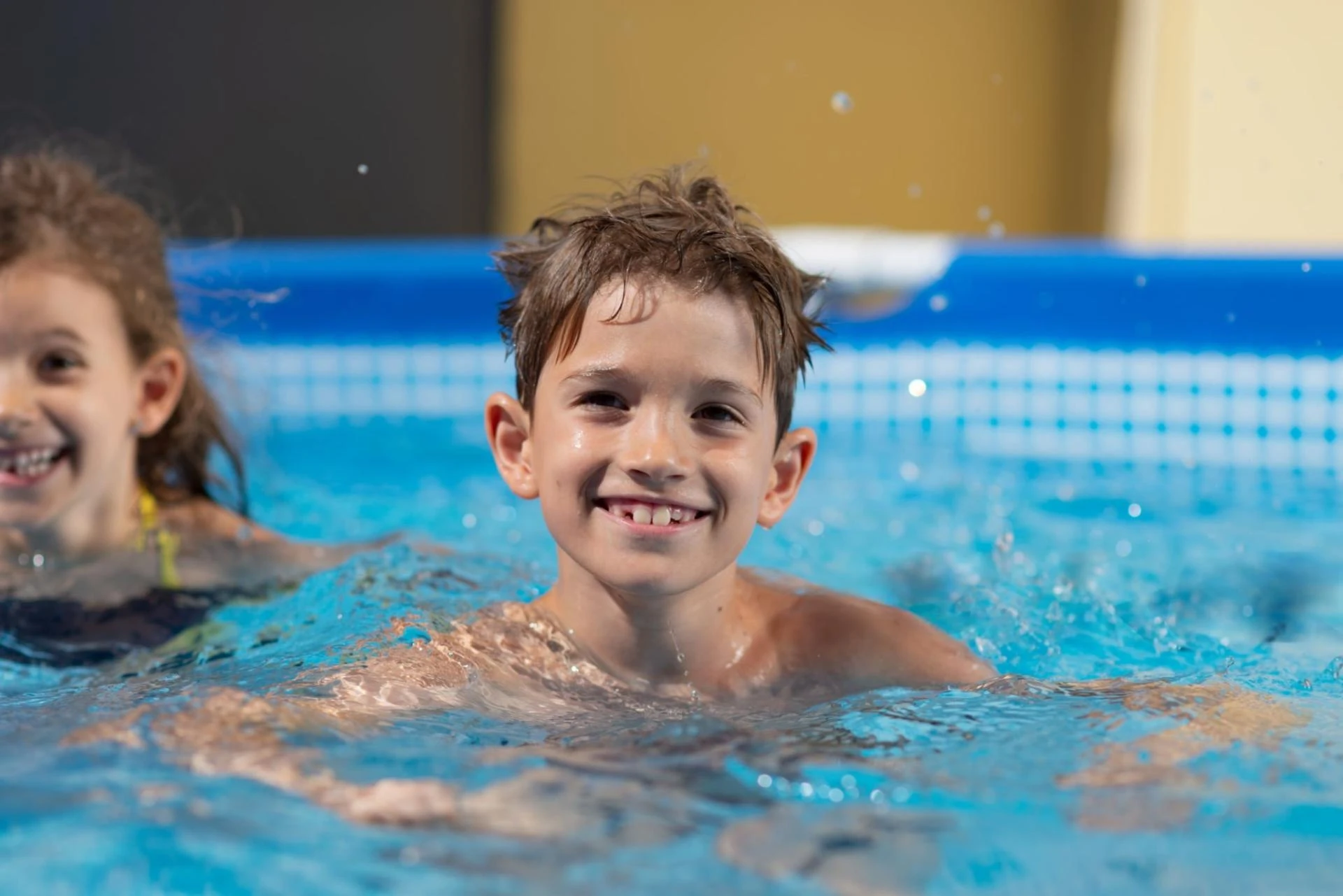
"Can a few seconds of distraction really cost a lifetime of memories?"
It’s a chilling question, one that too many families only ask in hindsight. The truth is water doesn’t discriminate. It doesn't wait for you to be ready or for your child to grow up. It is both a source of joy and an unforgiving force. And in the delicate world of parenting, water safety for kids is not optional. It's essential.
This guide isn’t just about teaching strokes or holding your breath underwater. It’s about creating a culture, a mindset where safety is second nature, where vigilance replaces regret, and where one childhood memory doesn’t become a life-altering scar.
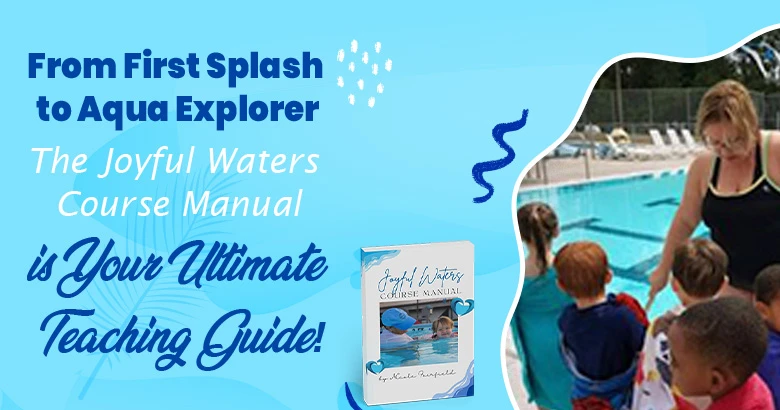
A Near-Drowning That Sparked a Movement
he woman behind this guide Nicole fairfield, a certified swimming instructor for children and now an accomplished author, didn’t begin her journey in a classroom or a pool deck. It began with a gasp. When she was just a child, she fell into a deep end no one thought she’d reach. The silence, the struggle, the confusion those moments changed her forever.
Surviving that accident planted a question in her heart: How many parents know what water can do when no one’s watching?
Today, she writes to prevent that silence for others. Her books, swimming guides, and child-friendly safety cards are born from the urgency of arming parents with more than floaties and good intentions.
Why Teaching Kids to Swim Safely is Not Enough
Yes, enrolling your child in swimming lessons for toddlers is a wonderful start. But here’s what most people miss: Swimming skills do not equal water safety. A toddler who can paddle to the wall may still panic when caught off guard. A young swimmer may forget what to do if no adult is around. True safety is layered.
Consider this: You wouldn’t teach your child to ride a bike without a helmet. Why teach them to swim without teaching awareness?
Child water safety tips go beyond kicking and floating:
• Teach kids to ask permission before approaching water.
• Reinforce the idea that no one swims alone, not even grown-ups.
• Create rituals: safety checks, pool rules, emergency drills.
When parents incorporate these habits early, children grow up with a natural sense of caution, not fear but confidence grounded in understanding.
The Layers of Protection: A Family Affair
There is no single solution for drowning prevention for kids. It’s about layers, multiple points of protection working together to guard against the unexpected. These include:
• Physical barriers: Locked gates, secured pool covers, and alarms.
• Supervision: Active, undistracted, and adult-led at all times.
• Education: Ongoing conversations about boundaries and risk.
• Training: Parents should learn CPR. Kids should practice how to get to safety.
Reimagining Pool Time: Not Just Fun, But a Life Skill
Pool safety for young children must be part of every family’s summer checklist as important as sunscreen and snacks. But safety shouldn’t feel like a chore. Make it a game. Turn pool rules into songs. Let kids help set up “swim-safe zones.” Make them feel responsible for their safety and the safety of others.
The author's guides emphasize this empowerment model. Children are not just taught what to do they’re taught why it matters. That’s where transformation begins.
For the Parent Who Thinks It Won’t Happen to Them
Let’s be honest. Many parents assume they’ll notice that they’ll react in time. That their child knows better. But drowning is often silent. Quick. Deceptively ordinary.
If you’ve ever thought, “My child is a strong swimmer,” or “We’ll only be in the shallow end,” remember: safety isn't about fear. It’s about preparation.
Because teaching kids to swim safely isn’t a luxury, it’s love in action.
Essential Water Safety Tips Every Parent Should Know
Here are practical, everyday precautions recommended by Nicole Airfield to protect children around pools, lakes, and bathtubs:
• Start early: Introduce water safety concepts to toddlers as soon as they can walk, awareness begins before swimming does.
• Always stay within arm’s reach: Even in shallow water or with floaties, supervision is non-negotiable.
• Designate a ‘Water Watcher:’ Assign a responsible adult to keep eyes on the water no phones, no distractions.
• Avoid inflatable toys for safety: They’re fun, but they’re not life-saving tools.
• Practice exits strategies: Teach kids how to climb out of the pool from any side, not just the steps.
• Empty tubs, buckets, and kiddie pools immediately after use: Children can drown in as little as 2 inches of water.
• Enroll in CPR: You hope to never need it but it can mean the difference between rescue and tragedy.
• Respect all water: Bathtubs, fountains, even rain-filled ditches, kids don’t see danger, only play.
One Decision, One Legacy
This isn't just about one summer. It’s about the habits you build now that your child will carry into adulthood and one day pass on. Your commitment to water safety for kids shapes generations.
So, ask yourself: What kind of water memories do you want your children to hold?
The books, lessons, and materials offered by this author are more than tools. They are lifelines crafted from lived experience, powered by purpose, and designed to make water a source of joy again.
Because when we empower our children with safety, we’re not just preventing accidents we’re giving them the freedom to explore, the confidence to grow, and the gift of a childhood without regret.
Stay Safe. Stay Aware. Swim Smart.
If you’re a parent, teacher, or caregiver looking for real, practical resources on water safety from swimming lessons for toddlers to everyday child water safety tips, explore the complete library of guides by Nicole Airfield. Prevention starts with awareness, but action saves lives.