
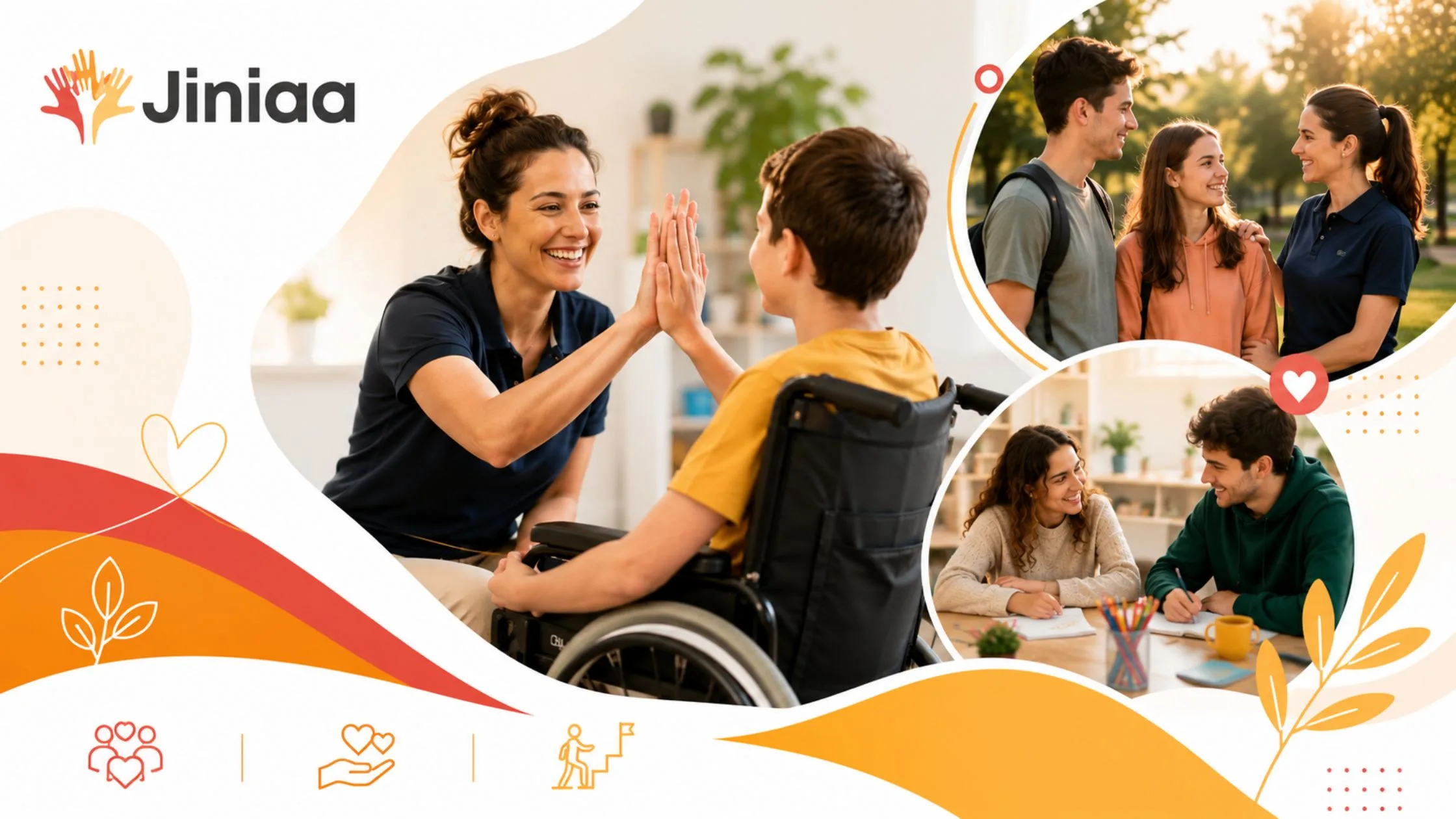
Every young person deserves a champion—someone who stands in their corner, listens without judgment, and helps them navigate life's toughest transitions. For vulnerable children and National Disability Insurance Scheme (NDIS) participants across Australia, professional care professionals are those champions.
At Jiniaa, a premier youth healthcare and NDIS staffing specialist based in Sydney, care isn't just about filling shifts. It is about a visionary commitment to revolutionising how support is delivered. By prioritizing person-centred care, dedicated specialists are proving that the right support system doesn't just manage daily life—it actively shapes a brighter, more independent future.
If you are looking to make a profound difference, exploring youth services recruitment or wider NDIS support worker jobs places you at the very heart of this transformative sector.
The Architecture of High-Quality Care
Creating lasting change in a young person’s life doesn't happen by accident. It requires a deliberate, compassionate approach. According to the foundational practices at Jiniaa, true empowerment is built on five core pillars:
- Building Robust Connections: Stepping into a new environment or managing a disability can cause significant anxiety. Building strong, trusting relationships is the vital first step to creating a baseline of comfort and security.
- Cultivating Positive Environments: Support workers actively create spaces where young people feel entirely respected and accepted. This involves organizing healthy experiences and engaging activities that allow them to thrive despite their circumstances.
- Balancing Guidance with Independence: True empowerment means providing structure and expert guidance when needed, while actively nurturing a young person's self-reliance. The goal is always to foster long-term independence.
- Empathetic and Active Listening: Navigating a challenging transition requires a safe outlet. Dedicated care professionals consistently allocate time in their day to attentively address the worries, ideas, and goals expressed by the youth in their care.
- Professional Development & Mentoring: High-quality care relies on highly supported staff. By engaging in regular training and mentoring programmes, care professionals stay morally and professionally uplifted, ensuring they remain the agency's biggest asset.
Join the Movement: Growing Opportunities in Australia
The demand for passionate individuals is growing rapidly across the healthcare and disability sectors. Organizations are constantly seeking skilled professionals to fill vital roles, including residential care workers, therapeutic specialists, and supported independent living coordinators.
For those looking to enter or advance in the field, current youth worker hiring Australia campaigns offer an entry point into a deeply rewarding career path where your growth is measured by the lives you positively impact.
Key Takeaways
- Person-Centred Focus: Lasting change is built on individualized, respectful care that treats the young person or NDIS participant as an active partner in their growth.
- Relationship-Driven: Establishing a secure, trusting connection is the prerequisite for all successful care outcomes.
- Focus on Autonomy: The ultimate purpose of a support worker is to provide the perfect balance of structure and guidance while fostering true independence.
- Supported Workforce: Top-tier organizations like Jiniaa treat their staff as their greatest asset, providing ongoing training and mentoring to ensure peak quality of care.
Frequently Asked Questions (FAQ)
What types of roles are available for youth and disability support workers?
There are various paths you can take depending on your skills and interests. Common roles include Residential Care Workers, Supported Independent Living staff, Therapeutic Specialists, Transport Support Coordinators, and Disability Support Workers.
Why is ongoing training emphasized so heavily in this sector?
The needs of vulnerable children and NDIS participants are complex and constantly evolving. Ongoing training and professional mentoring programmes ensure that workers remain morally uplifted, safe, and equipped with modern best practices to deliver high-quality care.
How do support workers help young people build independence?
Rather than doing everything for a participant, support workers practice a balance of respectful guidance and structure. They encourage young individuals to take the lead in their daily activities, helping them build the confidence and practical skills required to navigate life more autonomously.
Conclusion: Becoming the Catalyst for Change
Empowering a young person or an NDIS participant is a journey that requires patience, dedication, and deep empathy. The role of a support worker goes far beyond managing daily tasks—it is about laying down the foundation for someone else's lifelong confidence and independence. By focusing on robust relationship-building, continuous professional training, and person-centred care, you aren't just working a shift; you are actively rewriting a young person's future.
Whether you are stepping into the field for the first time or looking to grow your existing skills, aligning with a team that values your growth as much as the participants' outcomes is the key to a truly fulfilling career.