
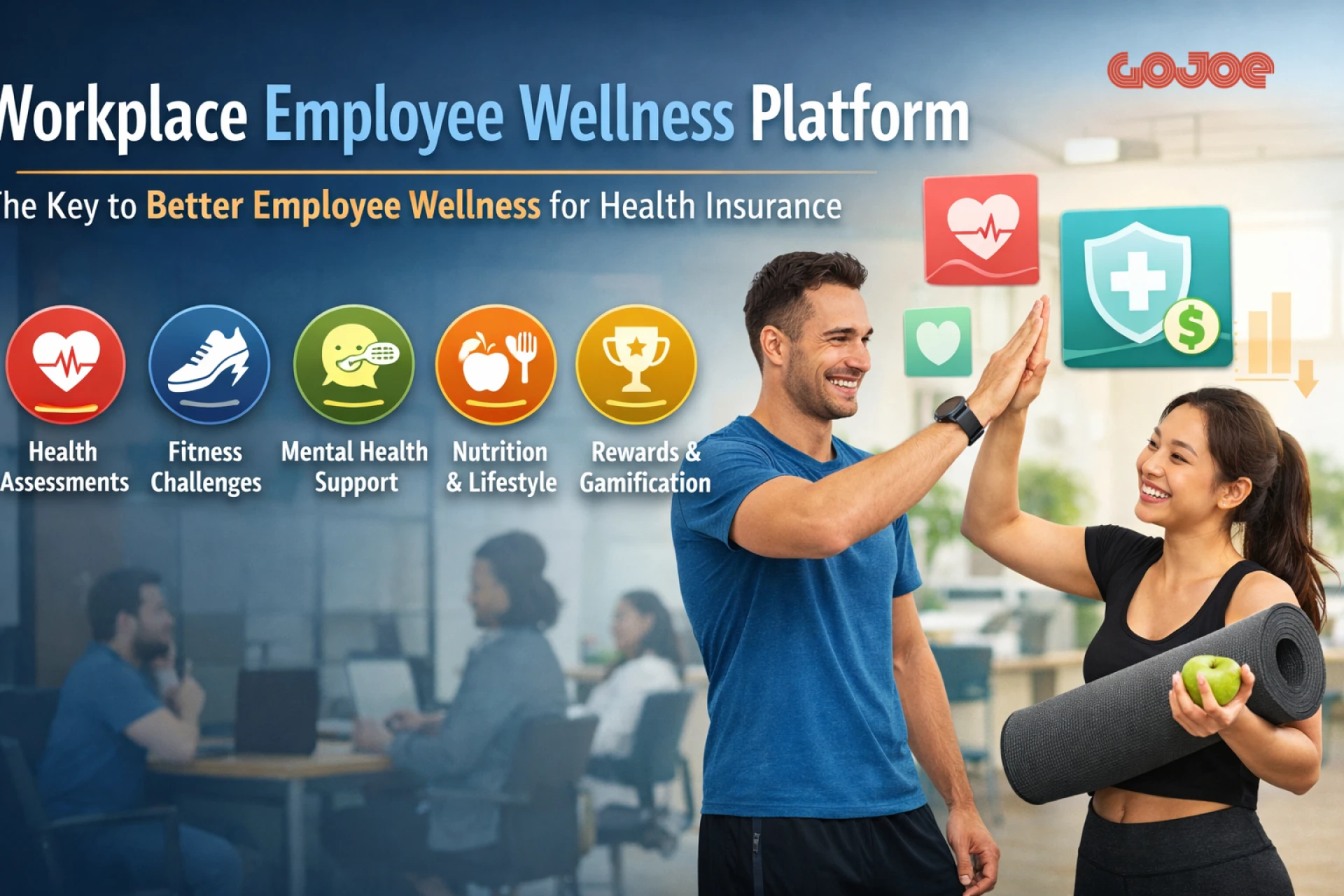
In today’s digital workplace, companies are constantly looking for ways to improve productivity, employee engagement, and communication. One of the most effective solutions emerging in recent years is the use of employee benefit apps combined with employee app internal communication platforms. These tools are helping organizations create a connected workplace where employees can easily access benefits, communicate with colleagues, and stay informed about company updates.
As businesses adopt hybrid and remote work models, traditional communication methods such as emails and notice boards are no longer sufficient. Instead, organizations are turning to mobile-based employee apps that bring communication, collaboration, and benefits management into one centralized platform.
This article explores how employee benefit apps work, why employee app internal communication is important, and how these technologies are transforming modern workplaces.
What Are Employee Benefit Apps?
Employee benefit apps are digital platforms designed to help employees access workplace benefits, company updates, HR services, and communication tools directly from their mobile devices or computers.
These apps act as a centralized hub where employees can:
- Check company announcements
- Access HR documents and policies
- Participate in wellness programs
- Track benefits like health insurance or rewards
- Communicate with team members
Employee apps are generally mobile-first platforms that support internal communication and provide access to workplace tools and services needed for daily work activities.
By integrating benefits and communication in one place, companies can create a better employee experience while reducing administrative workload for HR teams.
The Growing Need for Employee App Internal Communication
Effective communication plays a crucial role in organizational success. Poor communication often leads to misunderstandings, low engagement, and decreased productivity.
Employee app internal communication solves this challenge by creating a centralized communication channel for the entire workforce.
Unlike traditional communication methods, employee apps provide real-time updates, instant messaging, and feedback systems. This ensures employees receive information quickly and can respond immediately.
With a dedicated communication app, organizations can:
- Share announcements instantly
- Deliver targeted updates to specific teams
- Encourage two-way communication between employees and management
- Provide faster feedback and collaboration
These features make internal communication more transparent and effective across the organization.
Key Features of Employee Benefit Apps
Modern employee apps include a wide range of features that improve workplace efficiency and communication.
1. Real-Time Messaging
One of the most important features of employee apps is real-time communication.
Employees can instantly chat with colleagues, managers, or entire teams. This eliminates delays caused by email chains and helps teams resolve issues faster. Real-time messaging also supports faster decision-making and collaboration.
2. Centralized Company Updates
Employee apps act as a single source of information where employees can find company news, policy updates, and announcements.
Instead of receiving information through multiple channels, employees can access everything from one place, reducing confusion and improving clarity.
3. Employee Benefits Access
Employee benefit apps allow staff to easily access information related to:
- Health insurance plans
- Wellness programs
- Employee rewards
- Leave policies
- Training programs
Having all benefits accessible in one platform helps employees understand and utilize their benefits more effectively.
4. Surveys and Feedback Tools
Employee apps often include pulse surveys and feedback features that allow organizations to collect employee opinions and measure engagement.
These surveys help HR teams identify workplace challenges and improve company policies based on real feedback.
5. Task Management and Workflow Tools
Many employee apps also include task tracking features.
Managers can assign tasks, set deadlines, and monitor progress directly through the app. This improves accountability and ensures projects stay on schedule.
6. Analytics and Insights
Analytics dashboards help organizations measure communication effectiveness.
Companies can track metrics such as:
- App usage
- Message engagement
- Content views
- Employee feedback
These insights help organizations improve communication strategies and understand what information resonates most with employees.
Benefits of Employee Benefit Apps
Employee benefit apps provide advantages for both organizations and employees.
Improved Employee Engagement
When employees feel informed and connected, they are more likely to stay engaged with their work. Communication apps encourage interaction and participation within the organization.
These platforms help employees feel valued and included in company decisions.
Stronger Workplace Culture
Transparent communication builds trust between employees and management.
Employee apps create digital spaces where employees can share ideas, celebrate achievements, and collaborate more effectively. This strengthens company culture and improves teamwork.
Better Communication Across Teams
Organizations with multiple locations or remote teams often struggle with communication.
Employee apps solve this issue by delivering messages instantly to all employees, regardless of their location.
This ensures everyone receives the same information at the same time.
Reduced Email Overload
Many employees struggle with excessive emails.
Employee communication apps reduce inbox clutter by moving announcements, reminders, and discussions into a dedicated platform designed specifically for workplace communication.
Higher Productivity
When employees have easy access to information, communication, and benefits, they can complete tasks faster.
This improved efficiency leads to higher productivity and better overall performance.
How Employee Apps Support Hybrid Work
The rise of hybrid and remote work has increased the need for digital workplace tools.
Employee apps provide mobile access to company resources, allowing employees to stay connected even when working remotely.
Mobile accessibility ensures employees can:
- Receive updates instantly
- Participate in discussions
- Access company documents
- Communicate with teams
This flexibility is essential for modern work environments where employees are not always working from a single office location.
How Companies Can Implement Employee Benefit Apps
Organizations planning to implement employee apps should follow a structured approach.
1. Identify Business Needs
Before choosing an app, companies should determine their goals.
Common goals include:
- Improving internal communication
- Increasing employee engagement
- Streamlining HR processes
2. Choose the Right Platform
Companies should look for apps that include:
- Messaging tools
- Benefits management
- Analytics
- Mobile accessibility
- Security features
3. Encourage Employee Adoption
Successful implementation requires employees to actively use the app.
Organizations should:
- Provide onboarding training
- Explain the benefits of the platform
- Encourage employees to share feedback
4. Monitor Performance
After implementation, companies should track app usage and engagement metrics to ensure the platform delivers the expected results.
The Future of Employee Benefit Apps
The future of workplace technology is increasingly centered around employee experience.
Employee benefit apps will likely continue evolving with features such as:
- AI-powered communication tools
- Personalized employee dashboards
- Integrated wellness programs
- Advanced analytics for HR teams
As organizations focus more on employee well-being and engagement, these apps will become essential tools for managing modern workforces.
Employee benefit apps and employee app internal communication platforms are transforming the way organizations connect with their workforce. By combining communication, HR services, and employee benefits into one digital platform, companies can improve productivity, engagement, and workplace culture.
These apps not only simplify internal communication but also empower employees with easy access to information and resources they need to succeed. As workplaces continue to evolve, employee apps will play a vital role in building more connected, efficient, and employee-focused organizations.
1. What are employee benefit apps?
Employee benefit apps are digital platforms that allow employees to access workplace benefits, HR services, company updates, and internal communication tools in one place.
2. Why is employee app internal communication important?
Employee app internal communication ensures that employees receive updates quickly, collaborate easily, and stay connected with colleagues and management.
3. How do employee apps improve employee engagement?
These apps provide real-time communication, recognition programs, surveys, and company updates that help employees feel more involved and valued in the organization.
4. Are employee benefit apps useful for remote teams?
Yes. Employee apps provide mobile access to company resources, allowing remote and hybrid teams to stay connected and informed.
5. What features should a good employee communication app have?
A good employee communication app should include messaging tools, announcements, analytics, document sharing, feedback systems, and integration with other workplace tools.