
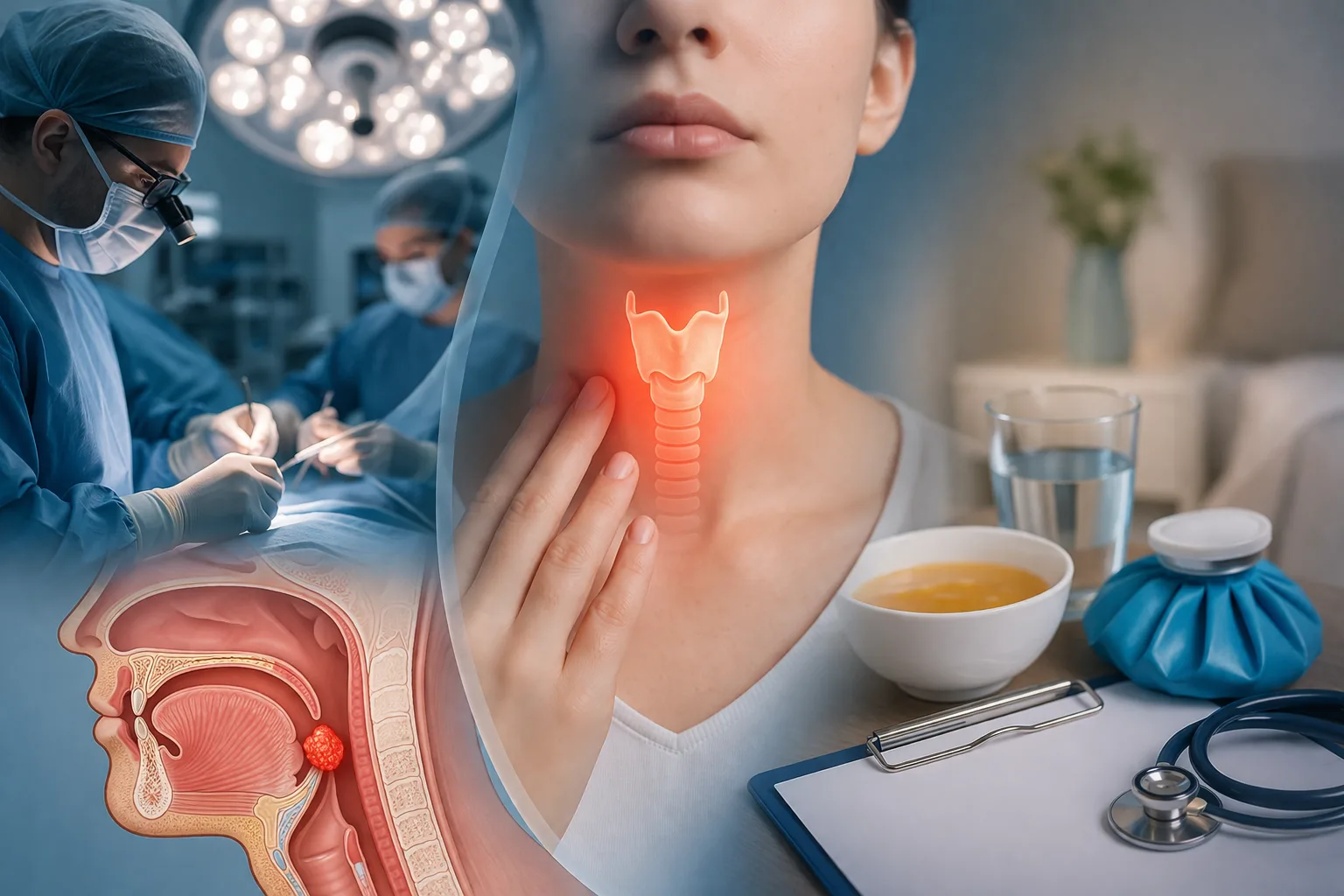
Recovering from throat cancer is not just about removing the disease—it’s a journey that involves both physical healing and emotional resilience. Throat cancer surgery is often a critical step in treatment, but what comes afterward is equally important. Patients may face changes in speech, swallowing, breathing, and even their sense of identity. Understanding the recovery process can help patients and their families navigate this challenging phase with confidence and clarity.
Understanding the Recovery Phase
After throat cancer surgery, the body needs time to heal from the procedure itself. Depending on the extent of the surgery, recovery may take several weeks to months. Some patients undergo minor procedures, while others may require extensive surgeries such as partial or total removal of structures in the throat.
During the initial recovery phase, patients are closely monitored for complications such as infection, swelling, or difficulty breathing. Pain, fatigue, and discomfort are common, but these symptoms gradually improve with proper care and medical support.
Physical Healing: What to Expect
1. Pain and Discomfort ManagementPain is a natural part of recovery after throat cancer surgery. Doctors usually prescribe medications to help manage it. It’s important to follow the prescribed schedule and communicate any unusual or persistent pain to the healthcare team.
2. Swallowing DifficultiesMany patients experience difficulty swallowing (dysphagia) after surgery. This can make eating and drinking challenging. A speech and swallowing therapist often becomes an essential part of recovery, helping patients relearn safe swallowing techniques.
Initially, patients may rely on liquid diets or feeding tubes. Gradually, as healing progresses, they can transition to soft and then regular foods.
3. Changes in SpeechDepending on the type of throat cancer surgery, speech may be affected. Some patients experience hoarseness, while others may lose their natural voice. Voice rehabilitation, including speech therapy or assistive devices, can help restore communication abilities.
Learning new ways to communicate can be emotionally challenging, but with time and practice, many patients regain confidence.
4. Breathing AdjustmentsIn some cases, patients may require a tracheostomy (an opening in the neck to help with breathing). This can be temporary or permanent. Learning to care for the tracheostomy site and adapting to breathing changes is a key part of physical recovery.
5. Fatigue and WeaknessPost-surgical fatigue is common. The body uses a lot of energy to heal, so feeling tired is normal. Gradual physical activity, such as short walks, can help rebuild strength over time.
Emotional Healing: The Often Overlooked Aspect
While physical recovery is visible, emotional healing is just as crucial after throat cancer surgery. Patients often experience a wide range of emotions, including fear, anxiety, sadness, and even frustration.
1. Coping with Body Image ChangesSurgery may leave visible scars or alter the appearance of the neck and face. These changes can affect self-esteem and confidence. It’s important to acknowledge these feelings and seek support when needed.
2. Dealing with Communication ChallengesChanges in speech can impact social interactions. Patients may feel isolated or hesitant to communicate. Support groups and therapy can help rebuild confidence and encourage social engagement.
3. Anxiety About RecurrenceMany patients worry about cancer returning. Regular follow-ups and open communication with doctors can help manage this anxiety. Understanding that such fears are common can also provide reassurance.
4. Emotional Support SystemsFamily, friends, and caregivers play a vital role in recovery. Their encouragement and understanding can make a significant difference. Professional counseling or joining cancer support groups can also provide emotional relief and a sense of community.
Nutrition and Lifestyle Adjustments
Proper nutrition is essential for healing after throat cancer surgery. Since eating may be difficult initially, patients should focus on nutrient-rich, easy-to-swallow foods.
- Soft foods like mashed vegetables, soups, and smoothies
- High-protein diets to promote tissue repair
- Adequate hydration to prevent dryness and discomfort
Avoiding tobacco and alcohol is critical, as they can hinder healing and increase the risk of recurrence.
Maintaining a healthy lifestyle, including light exercise and proper sleep, supports overall recovery and well-being.
Role of Rehabilitation Therapies
Rehabilitation is a key component of recovery after throat cancer surgery. It often involves a multidisciplinary approach:
- Speech therapy: Helps regain communication skills
- Swallowing therapy: Assists in safe eating and drinking
- Physical therapy: Improves strength and mobility
These therapies not only enhance physical recovery but also boost confidence and independence.
Importance of Follow-Up Care
Regular medical check-ups are essential after throat cancer surgery. These visits help monitor healing, detect any complications early, and ensure that cancer has not returned.
Doctors may recommend imaging tests, physical examinations, and ongoing assessments of speech and swallowing functions. Staying consistent with follow-up appointments is crucial for long-term health.
Building a New Normal
Life after throat cancer surgery may not be exactly the same as before, but it can still be fulfilling and meaningful. Patients often discover new strengths and perspectives during their recovery journey.
Setting small, achievable goals can help rebuild confidence. Whether it’s improving speech, returning to work, or engaging in social activities, every step forward matters.
Tips for a Smoother Recovery
- Follow medical advice and medication schedules strictly
- Stay patient with the healing process
- Communicate openly with healthcare providers
- Seek emotional support when needed
- Celebrate small milestones in recovery
Supporting a Loved One
If someone you care about has undergone throat cancer surgery, your support can make a huge difference. Be patient, listen actively, and encourage them without pressure. Simple gestures like helping with meals or attending appointments together can provide comfort and reassurance.
Conclusion
Healing after throat cancer surgery is a comprehensive process that involves both physical and emotional aspects. While the journey may be challenging, with the right support, care, and mindset, recovery is achievable.
Patients should remember that they are not alone—healthcare professionals, therapists, and support networks are there every step of the way. With time, resilience, and proper care, it is possible to regain strength, adapt to changes, and lead a fulfilling life after surgery.