Introduction
GE industrial turbines operate at extremely high rotational speeds to deliver reliable and efficient power across industries such as power generation, oil and gas, and manufacturing. While advanced control systems regulate turbine speed during normal operation, abnormal conditions can still occur. One of the most serious risks is turbine overspeed, which can lead to severe mechanical damage and safety hazards. To address this risk, GE turbines are equipped with dedicated emergency overspeed protection systems that function as a final safeguard.
Understanding Overspeed Conditions
Overspeed occurs when a turbine rotates beyond its designed speed limits. This condition may result from sudden load loss, failure of fuel or steam control valves, or malfunction within the main control system. Because turbine components are engineered for specific mechanical stresses, even a short-duration overspeed event can cause irreversible damage. Emergency overspeed protection systems are therefore designed to act instantly and independently of normal turbine controls.
Purpose of Emergency Overspeed Protection
Emergency overspeed protection systems serve a single, critical function: to shut down the turbine immediately when unsafe speed thresholds are reached. Unlike standard control loops that rely on software-based logic, these systems use dedicated hardware and hardwired logic to ensure rapid response. Their independence ensures that turbine shutdown can occur even if the primary control system becomes unstable or unresponsive.
Overspeed Protection Boards in GE Turbines
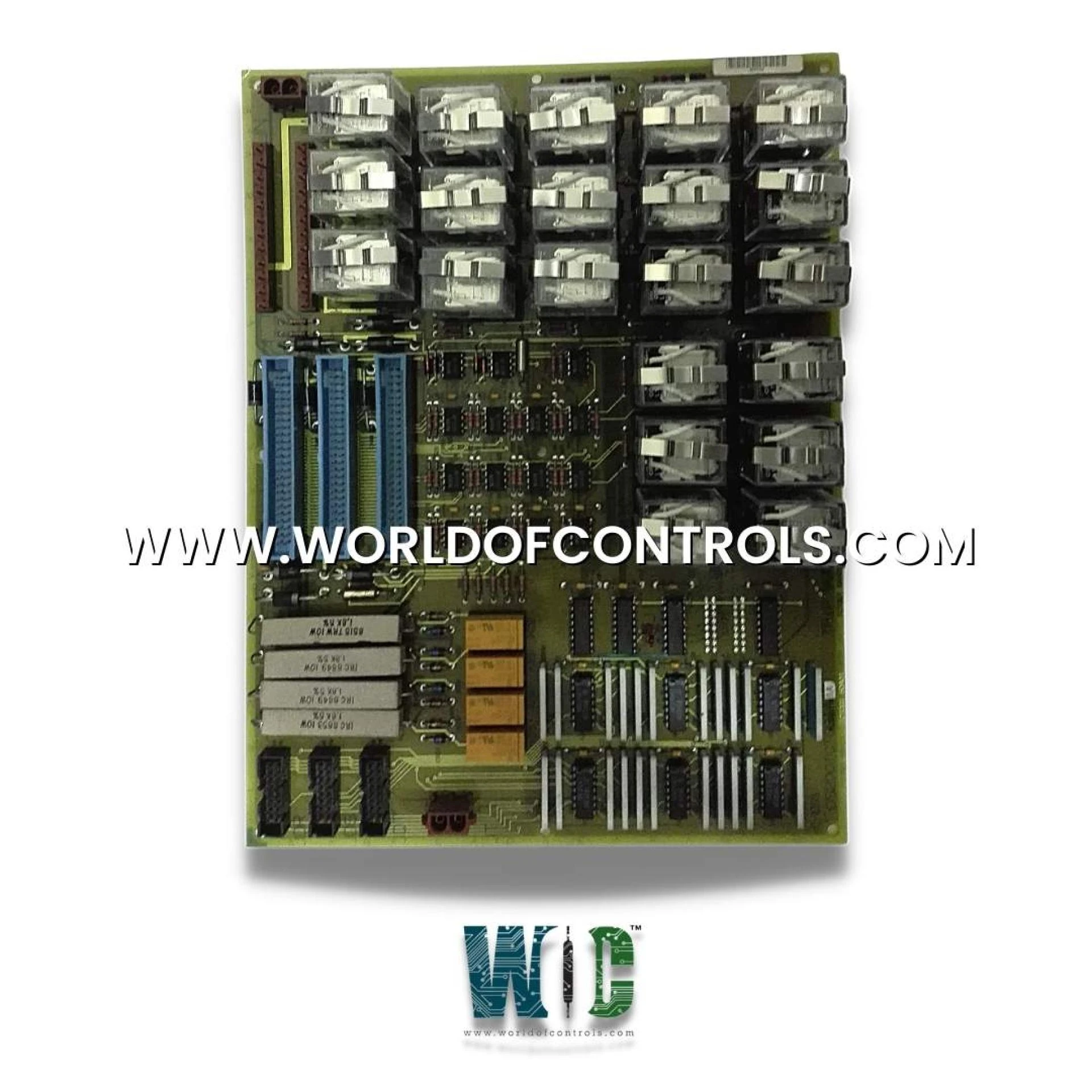
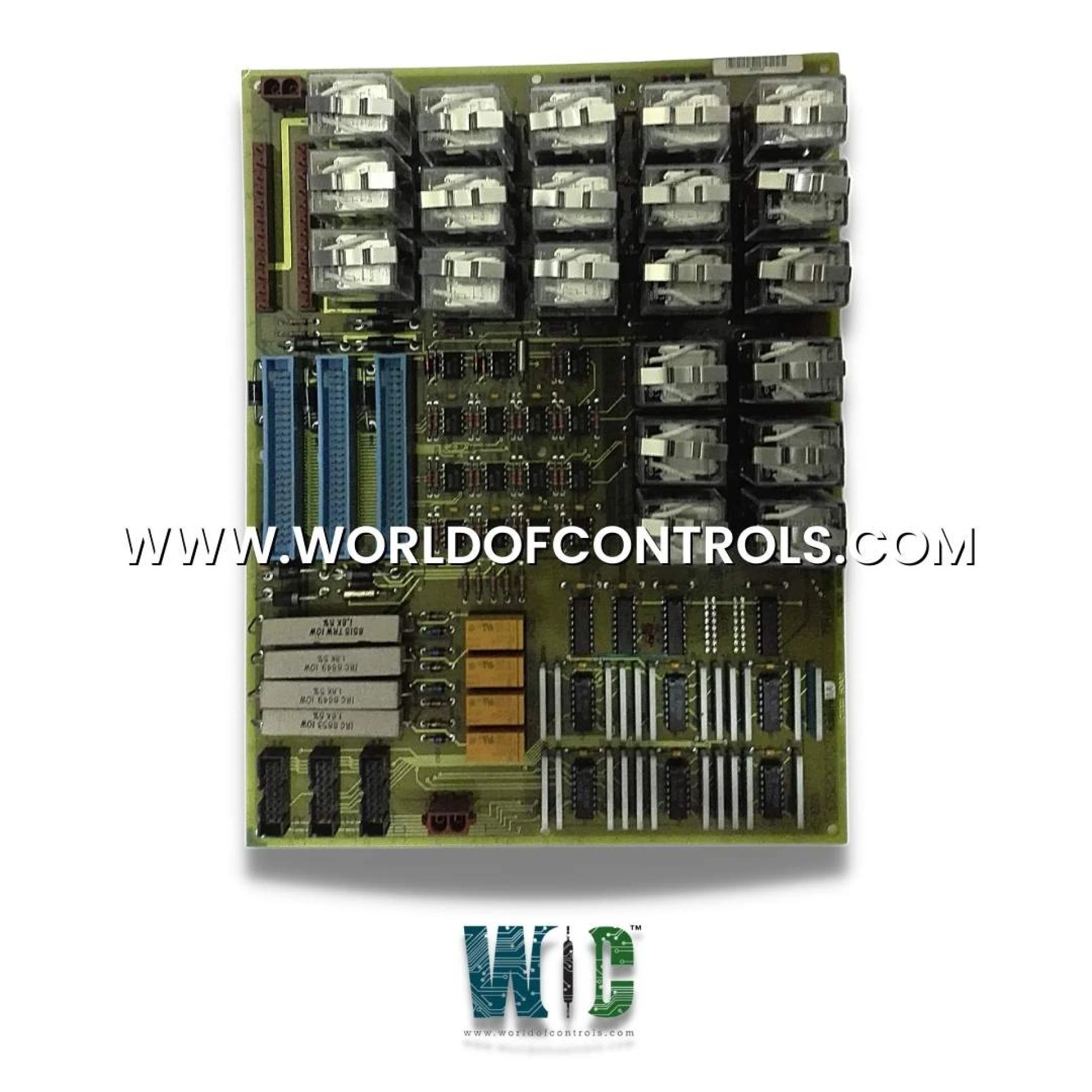
A key component of GE’s emergency overspeed protection architecture is the overspeed protection board. This specialized electronic module continuously monitors turbine speed signals received from redundant shaft-mounted sensors. Its sole purpose is to validate turbine speed and detect overspeed conditions with absolute reliability.
When turbine speed exceeds predefined safety limits, the board initiates an emergency trip signal. This signal directly activates shutdown mechanisms such as fuel cutoff or steam isolation, bypassing normal control logic to minimize response time. This approach ensures that overspeed protection remains effective under all operating conditions.
Design Philosophy and Reliability
GE overspeed protection boards are designed with safety and durability as top priorities. Common design principles include:
- Redundant speed sensing to prevent false trips or missed events
- Hardwired circuits for deterministic and fast operation
- Electrical isolation from the main control system
- Built-in fault detection for sensor or signal failures
These features allow the overspeed protection system to operate reliably in demanding industrial environments where vibration, temperature variations, and electrical noise are common.
Integration with Turbine Control Systems
Although emergency overspeed protection systems operate independently, they are still integrated into the turbine’s overall monitoring framework. Status indicators and diagnostic signals are communicated to the main control system, allowing operators to verify system readiness and identify faults early. This integration supports predictive maintenance strategies and helps ensure compliance with safety and regulatory standards.
Maintenance and Operational Best Practices
Routine inspection and testing of overspeed protection components are essential for maintaining turbine safety. Periodic functional tests confirm that trip thresholds, signal paths, and response times remain within specification. Preventive maintenance helps identify aging components before they compromise system integrity, reducing unplanned outages and safety risks.
Conclusion
Emergency overspeed protection is a fundamental safety feature in GE industrial turbines. By providing an independent, fast-acting shutdown mechanism, overspeed protection boards play a vital role in preventing catastrophic turbine failures. Their robust design, reliable performance, and seamless integration with turbine control systems ensure safe operation and long-term equipment protection in demanding industrial applications.