In times of crisis, whether caused by natural disasters, accidents, or public health emergencies, timely and effective medical aid can mean the difference between life and death. In Pakistan, where the population is often affected by earthquakes, floods, and other disasters, the need for efficient emergency medical aid has never been more critical. Emergency medical aid in Pakistan involves the delivery of healthcare services to people in distress, particularly in situations where standard healthcare systems are overwhelmed or unavailable.
This article explores the vital role of emergency medical aid in Pakistan, the mechanisms in place to provide medical support during emergencies, and the challenges faced by disaster response teams. It also highlights the critical need for disaster relief and humanitarian aid in the country, which is increasingly required to meet the demands of a growing population and a region prone to natural disasters.
The Importance of Emergency Medical Aid in Pakistan
Emergency medical aid is a vital component of Pakistan's disaster response framework. Whether it is due to natural disasters like earthquakes or floods, or man-made crises such as accidents and terrorist attacks, the country faces a range of situations that require immediate medical intervention. Emergency healthcare services in these contexts aim to provide rapid, life-saving medical treatment to those affected, offering support in situations where local health systems are unable to cope with the surge in demand.
The healthcare system in Pakistan, though improving, often struggles with resource constraints. When disasters strike, emergency medical aid becomes the key to preventing deaths, reducing injury, and stabilising the affected population. These efforts include the provision of first aid, emergency surgeries, trauma care, and the transportation of injured individuals to hospitals for further treatment.
Disaster Relief and Humanitarian Aid
Pakistan's vulnerability to natural disasters makes disaster relief and humanitarian aid essential components of its emergency medical response. Over the years, the country has witnessed several catastrophic events that have called for the mobilisation of disaster medical teams, medical assistance in emergencies, and other emergency healthcare services.
Disasters like the 2005 Kashmir earthquake, the 2010 floods, and more recent natural calamities have tested the country's ability to respond to urgent healthcare needs. During these crises, national and international humanitarian organisations play a crucial role in providing immediate relief to those affected by the disaster. This aid includes the delivery of food, clean water, shelter, and medical services.
Humanitarian aid in Pakistan has often been coordinated through collaborations between the government, non-governmental organisations (NGOs), and international aid agencies. These groups provide emergency medical supplies, temporary health clinics, and personnel to help address the healthcare needs of the affected populations.
Emergency Healthcare Services in Pakistan
Emergency healthcare services in Pakistan are primarily coordinated by the government, supported by local hospitals, emergency response teams, and NGOs. Pakistan's government has set up various emergency healthcare initiatives to address the needs of citizens during times of crisis.
In addition to the government's efforts, private institutions and non-governmental organisations also contribute significantly to disaster relief in Pakistan. These groups often run mobile health clinics and provide temporary field hospitals in affected regions, allowing them to treat the injured and provide medical supplies when regular hospitals are not operational due to disaster damage.
The Pakistan Red Crescent Society, for example, is one of the key organisations that provide emergency medical aid during disasters. They operate mobile clinics, distribute emergency medical supplies, and coordinate with local hospitals to offer immediate care.
Medical Assistance in Emergencies
When an emergency strikes, the need for quick, effective medical assistance is paramount. In Pakistan, medical assistance in emergencies is delivered through various mechanisms, including disaster medical teams, mobile clinics, and first responder units.
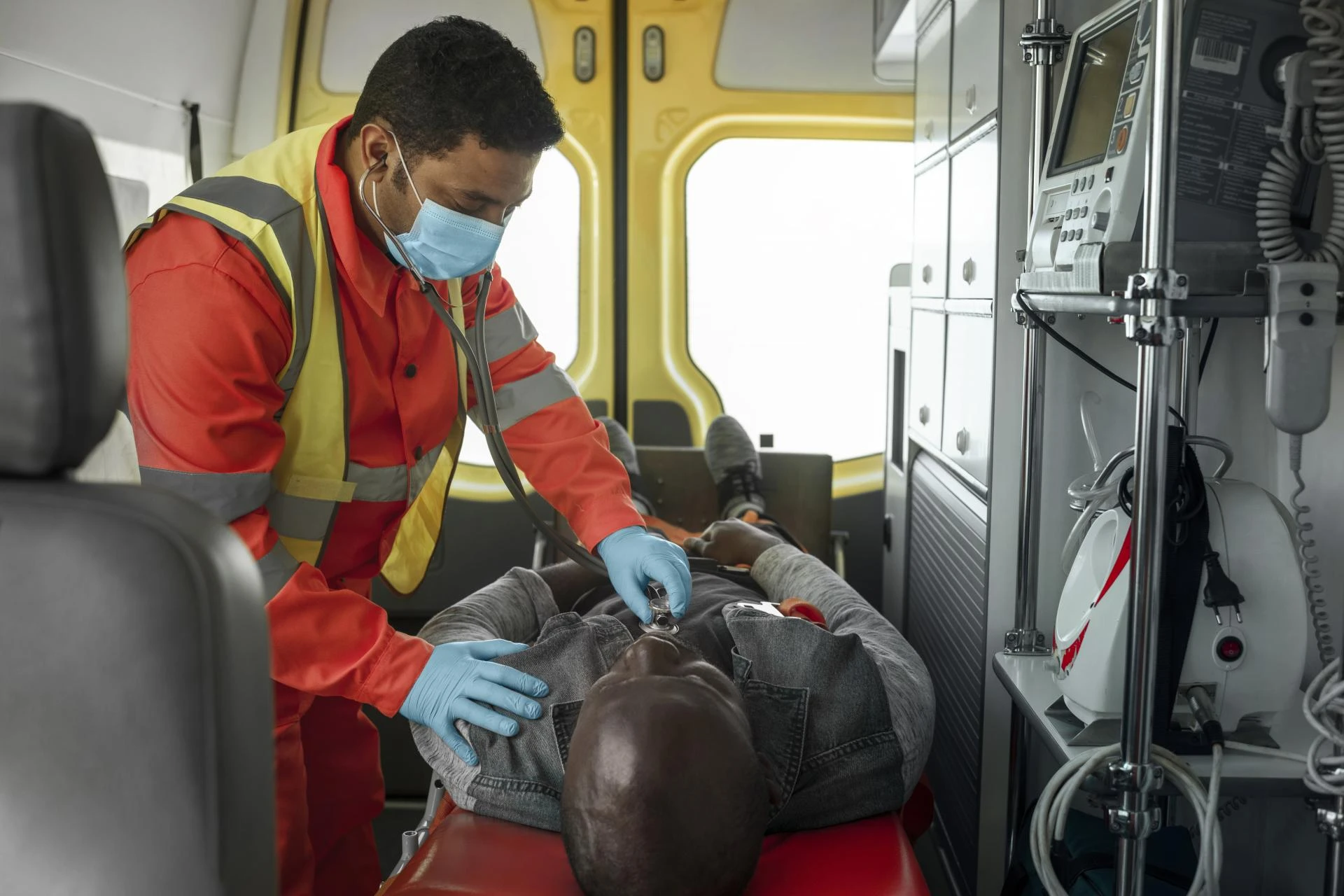
Disaster medical teams are composed of doctors, nurses, and other healthcare professionals who are trained to respond quickly to emergencies. These teams are often deployed in the aftermath of natural disasters to provide trauma care, stabilise patients, and transport those who need further treatment to the nearest healthcare facility.
In rural areas where access to healthcare is limited, mobile clinics play a crucial role in providing immediate care. These clinics are equipped with basic medical supplies, medications, and staffed by healthcare professionals who provide first aid, vaccination, and other necessary healthcare services to the affected population.
The Role of Health Response Programs
Health response programs are central to Pakistan’s emergency medical aid framework. These programs are often implemented by the government, international aid agencies, and local NGOs, providing an organised approach to healthcare delivery in times of crisis.
For example, during the 2010 floods, health response programs provided temporary medical facilities, ensured access to clean water, and facilitated disease prevention through vaccinations. Health education was also a key aspect of these programs, helping communities understand how to prevent waterborne diseases and other health threats during floods.
Government and private organisations also work together to provide mobile medical units that can be dispatched to affected areas. These units help alleviate the burden on overstretched hospitals and ensure that people in even the most remote regions receive timely medical attention.
Challenges in Delivering Emergency Medical Aid
While emergency medical aid in Pakistan is crucial during crises, there are several challenges that hinder its effectiveness. These challenges include:
- Limited Resources: Despite the efforts of humanitarian organisations and the government, there are often limited medical resources available during large-scale emergencies. This includes shortages of medical supplies, equipment, and healthcare professionals, which can impede the delivery of care.
- Geographical Barriers: Pakistan's diverse geography, with mountainous regions, rural areas, and difficult terrains, poses a significant challenge in reaching affected populations quickly. Roads may be blocked, and access to remote regions is often hindered by damaged infrastructure, making it hard to provide timely medical care.
- Coordination Challenges: During large-scale emergencies, the coordination between government agencies, NGOs, and international partners can be complicated. Effective communication and logistics are vital to ensure that aid reaches the people who need it the most.
- Public Health Threats: In disaster scenarios, the risk of outbreaks of infectious diseases increases. Medical teams must be prepared to manage not only physical trauma but also the prevention and treatment of diseases like cholera, malaria, and respiratory infections.
Conclusion
Emergency medical aid in Pakistan plays a crucial role in saving lives during times of crisis. From natural disasters to health emergencies, the country's healthcare system faces significant challenges in delivering timely and effective care. However, through collaboration between the government, international aid agencies, and humanitarian organisations, Pakistan is able to provide critical healthcare services in the aftermath of disasters.
While there are numerous challenges to providing emergency medical aid, such as limited resources and geographical barriers, the government and NGOs continue to improve disaster response mechanisms to ensure that people receive the care they need. Emergency medical aid remains a vital part of Pakistan's healthcare system, and continued efforts to strengthen this framework will help ensure that the country is better equipped to face future crises.