In a world constantly buzzing with notifications, deadlines, and demands, the weight of stress has become an almost invisible yet deeply felt burden. People carry it on their shoulders, in their sleep, and even in their breath. While modern life accelerates, there’s a quiet counter current gaining momentum: the practice of stress relief meditation. It’s not a trend or a temporary escape—it’s a grounded method of reclaiming balance, clarity, and most importantly, inner peace.
The Hidden Cost of Everyday Stress
Stress, though often accepted as a part of life, doesn’t come without consequences. Chronic tension affects not only physical health—manifesting as fatigue, headaches, and weakened immunity—but also takes a toll on mental well-being. It clouds judgment, amplifies irritability, and depletes emotional resilience.
In response to these invisible pressures, people are increasingly turning inward for answers. Not in isolation, but through mindful practices rooted in centuries-old traditions. Meditation for stress relief is emerging as a powerful tool to quiet the noise, soothe the nervous system, and anchor the mind in the present.
The Meditative Shift: From Overthinking to Stillness
Stress thrives in a mind that is constantly ruminating, planning, regretting, or fearing. Meditation interrupts that pattern, not by forcing positivity or ignoring problems, but by creating a space between stimulus and response. That space is where peace begins to emerge.
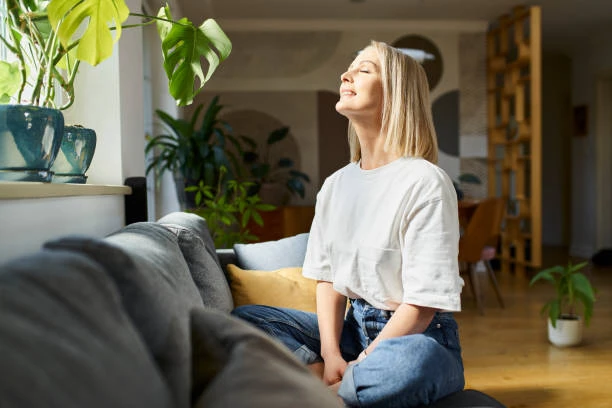
Through regular meditative practice, the mind gradually shifts away from chaotic thinking and moves toward centred awareness. In that space, breath becomes a refuge. Thoughts may still arise, but the grip they once held begins to loosen. The beauty of stress relief meditation lies in its simplicity—sitting still, paying attention, and allowing each moment to be enough.
Meditation for Inner Peace: Not a Destination, But a Practice
Inner peace is not a sudden transformation. It doesn’t mean the absence of emotion or a life free from difficulty. Rather, it reflects a deep-seated steadiness—the ability to remain rooted even when circumstances are turbulent. Meditation cultivates this resilience not by changing the outer world, but by softening the inner landscape.
When practised consistently, meditation for inner peace helps individuals become less reactive and more compassionate. The self-critical voice begins to quiet. Anxiety no longer dictates every decision.
The Body’s Natural Response to Meditation
While the mind finds clarity, the body too responds. Meditation activates the parasympathetic nervous system—the branch responsible for rest and recovery. Heart rate slows. Muscles relax. These effects, while gentle, are profound. Over time, stress relief meditation supports better sleep, improves concentration, and even enhances immune function. It becomes less about stress "management" and more about creating a life with less stress to begin with.
A Return to Self through Stillness
In a culture obsessed with doing, meditation invites simply being. This return to stillness allows individuals to reconnect with their inner self, the one that exists beyond roles, responsibilities, and expectations. In that space, clarity often emerges. Creativity flows. Forgiveness happens.
The path to inner peace is not linear or without effort, but it is always accessible. Whether one sits for five minutes or an hour, the act of turning inward sends a powerful message: peace begins here.
Meditation as a Lifelong Companion
Unlike temporary fixes or external solutions, meditation is a lifelong practice that evolves. It adapts to changing seasons, personal growth, and shifting circumstances. Whether facing loss, change, or simply the daily chaos of life, stress relief meditation remains a steady companion.
Expanding the Culture of Calm
As individuals begin to experience the benefits of meditation, its effects ripple outward. Families become more connected. Workplaces feel less tense. Communities begin to foster more empathy. In this way, meditation for inner peace contributes to a broader cultural shift—one that values pause over productivity, presence over performance.
Conclusion
At its deepest level, meditation reminds people of something they already know—that peace is not outside of them. It is not hidden in achievement, approval, or escape. It lives within, quietly waiting to be rediscovered beneath the surface of stress and noise.
Through stress relief meditation, people are not escaping life. They’re learning how to live it with more clarity, gentleness, and grace. And in doing so, they find what was never lost—the still, strong current of inner peace.