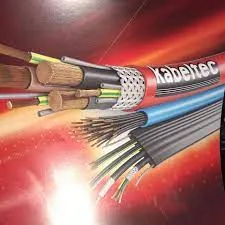
Gadgets run everything, the hidden web of wires keeps lights on, machines humming, buildings talking. Buried inside all that setup cables doing quiet work shuttling electricity and data without fuss or failure. Every kind of wire fits a certain job knowing what they do matters. Power lines move energy, while tough versions handle heat or combine materials inside.
Electrical Cables and Wires
Copper works well but aluminum shows up too, lighter yet still strong enough. Hidden beneath coatings that keep things steady and shock-free. Whatever Electrical Cable & Wire you pick hinges on things such as how much voltage it needs, where it’ll be used, also what it’s meant to do. Not every setting works the same way some places are tougher than others. The job itself shapes which kind fits best.
Power Cable Moving Energy
From quiet rooms to busy substations, Power Cable shift forms some thin like thread, others thick with muscle. Where strength matters, voltage climbs, shaping each cable’s role. Safety hides in layers beneath rubber or plastic skins. Efficiency isn’t guessed; it's woven into every twist of wire inside. Load changes the design adapts without a word.
Composite Cable Syndicates Numerous Purposes
A Composite Cable often handles more than just one job security setups, phone lines, even home theaters rely on them. Fewer cords snake across walls because of that shared path. One reason these cables fit well in today’s setups is how they cut down on clutter while being easier to set up. Their compact design helps them save room plus work better over time.
Coaxial Cable Keeps Signals Steady
Radio frequency signals often travel through a coaxial cable, so you find them in TV setups. Communication networks rely on these cables just as much as internet services do. Their role moving high-frequency data without fuss. From broadcast studios to home routers, they’re quietly doing the job.
Flexible Cable Works Where Needed
Bending easily, a flexible cable keeps working even when twisted or shifted around. Built to handle constant motion, it thrives where jostling happens daily. Bent but never breaking, these cables twist through robots, machines, tools you carry around. Tiny threads of metal weave inside, giving them give so they move freely without tearing apart.
Heavy Duty Cables for Harsh Conditions
In the middle of a factory floor, an industrial cable holds up under harsh conditions. Where machines run nonstop, these cables stay tough through heat, dust, and constant movement. Heavy equipment leans on them daily. Even under pressure from sharp edges or rough handling, their outer layer resists damage. These cables handle heat, wetness, chemical exposure, along with heavy physical strain.
High-Temperature Cable Works in Extreme Heat
When temperatures rise, ordinary wires fail these do not. Found in aircraft engines, automobiles, factory machines, they survive where others wouldn’t last a minute. Ovens, power turbines, industrial furnaces rely on them daily their insulation refuses to give way under scorching loads. When High-temperature cable climb past normal limits, special materials keep electricity flowing without failure inside motor bays or industrial heaters.
Conclusion
Whether it is lighting up apartments or keeping machines going in factories, they form the backbone of today's systems. Spotting what sets them apart power, composite, coaxial, flexible, industrial, or ones built for extreme heat makes choosing easier. Each kind fits specific needs without extra fuss.