
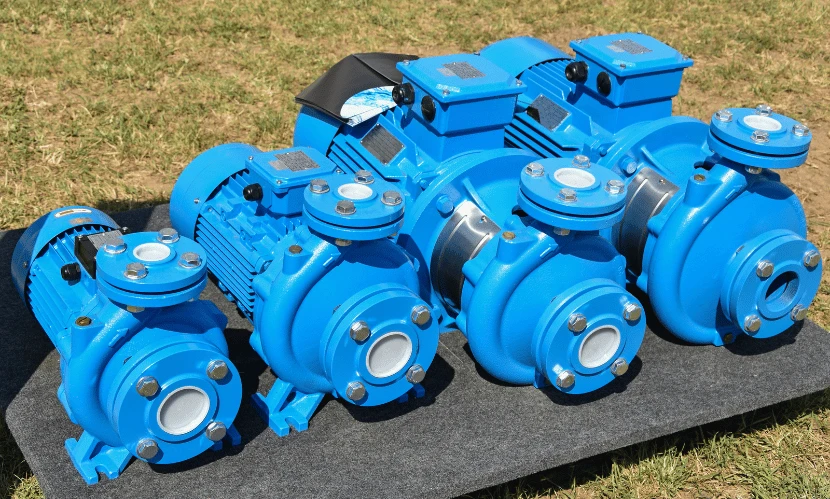
Global Electric Motors Market Overview
The global electric motors market is witnessing sustained and transformative growth as industries and consumers increasingly prioritize efficiency, electrification, and sustainability. In 2025, the electric motors market size reached approximately USD 137.86 Billion. The market is projected to grow at a CAGR of 5.30% between 2026 and 2035, reaching a value of around USD 231.06 Billion by 2035. This steady expansion underscores the critical role electric motors play across residential, industrial, and transportation applications.
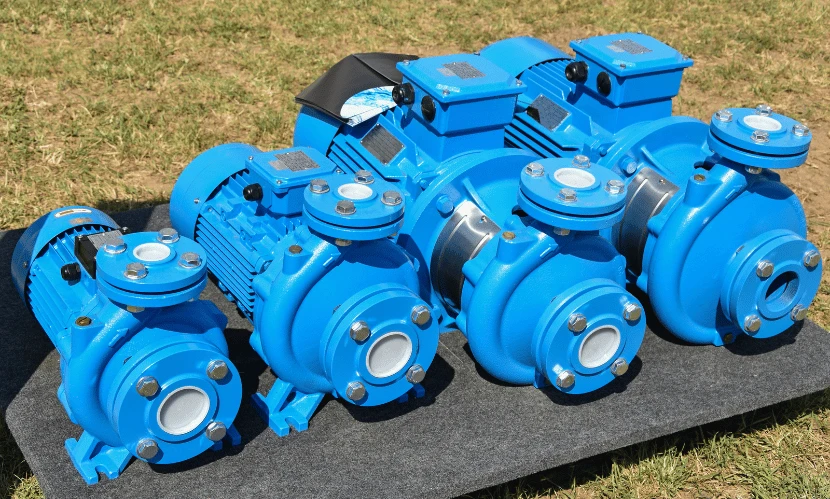
Electric motors convert electrical energy into mechanical energy and are essential components in a wide range of systems, from household appliances and HVAC equipment to industrial machinery and electric vehicles. As global energy consumption patterns shift and sustainability goals intensify, electric motors are becoming central to modern technological and industrial ecosystems.
Key Drivers Fueling Market Growth
Rising Demand from Home Appliances
One of the major drivers of the electric motors market is the increasing demand for home appliances worldwide. Appliances such as washing machines, refrigerators, air conditioners, fans, and vacuum cleaners rely heavily on electric motors for efficient operation. Urbanization, rising disposable incomes, and improving living standards are driving higher appliance ownership, especially in emerging economies. Consumers are also replacing older appliances with energy-efficient models, further boosting demand for advanced electric motors and supporting the projected 5.30% CAGR from 2026 to 2035.
Request a no-cost sample report including the full TOC.
Growth of Electric Vehicles and Green Mobility
The rapid adoption of electric vehicles is another significant factor accelerating the electric motors market. Electric motors are a core component of electric cars, buses, two-wheelers, and commercial vehicles. As governments worldwide implement policies to reduce carbon emissions and promote green transportation, investment in electric mobility is increasing. This shift is driving innovation in motor design, performance, and efficiency, making electric motors a key enabler of the global transition toward cleaner transportation.
Sustainability and Energy Efficiency Trends
Shift Toward Energy-Efficient Motor Solutions
Sustainability trends are reshaping the electric motors market. Manufacturers are increasingly focusing on energy-efficient motor technologies to minimize power consumption and reduce carbon emissions. High-efficiency motors help lower operating costs for consumers and industries while aligning with environmental regulations. As efficiency standards become stricter across regions, demand for advanced electric motors that meet or exceed regulatory requirements is rising steadily.
Government Policies Supporting Eco-Friendly Technologies
Governments across the globe are actively driving eco-friendly policies that support the adoption of efficient electric motors. Regulations promoting energy efficiency, emission reduction, and renewable energy integration are encouraging industries to upgrade existing systems and invest in modern motor technologies. These policy-driven initiatives are expected to further accelerate market growth over the forecast period.
Industrial Transformation and Technological Innovation
Innovation in Motor Technologies
Technological innovation is playing a crucial role in the evolution of the electric motors market. Manufacturers are investing in research and development to improve motor efficiency, durability, and performance. Advancements in materials, digital control systems, and motor design are enabling compact, lightweight, and high-performance solutions suited for diverse applications. These innovations are particularly important in sectors such as electric vehicles, automation, and renewable energy.
Role of Electric Motors in Industrial Automation
Electric motors are fundamental to industrial automation and manufacturing processes. They are widely used in pumps, compressors, conveyors, robotics, and machine tools. As industries adopt automation to enhance productivity and reduce operational costs, demand for reliable and efficient electric motors continues to grow. This trend is transforming manufacturing environments and reinforcing the importance of electric motors in industrial modernization.
Changing Consumer Preferences and Market Impact
Modern consumers are increasingly focused on efficiency, sustainability, and long-term cost savings. This shift in preference is influencing purchasing decisions across appliances, vehicles, and industrial equipment. Electric motors that offer lower energy consumption, reduced maintenance, and longer lifespans are becoming essential components in contemporary usage. This consumer-driven demand is strengthening the electric motors market and encouraging widespread adoption.
Global Electric Motors Market Outlook
From a regional perspective, both developed and emerging economies contribute to market growth. Developed regions drive demand through advanced manufacturing, automation, and electric vehicle adoption, while emerging markets contribute through expanding industrialization and rising appliance consumption. This balanced demand base supports stable and long-term market expansion.